How Is Food Digested in the Body? A Clear, Human Guide to What Really Happens After You Eat


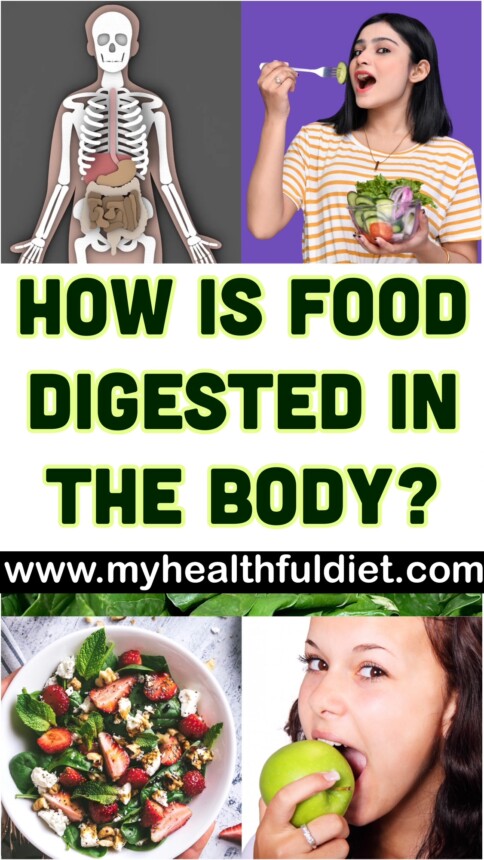 Digestion is something we rarely think about until it goes wrong. But every single bite you take kicks off a chain reaction inside your body. From the moment food enters your mouth to the point where nutrients are absorbed and waste is eliminated, digestion is a continuous journey that keeps you alive, energized, and functioning.
You don’t need to be a doctor to follow how digestion works. Laid out simply, it actually makes a lot of sense, and it’s pretty interesting. So, let’s break it down step by step, in plain English.
It Starts in the Mouth, Not the Stomach
A lot of people think digestion kicks off in your stomach, but honestly, it starts as soon as you take that first bite.
Your teeth jump into action right away, grinding food down into smaller bits. That chewing does more work than most people give it credit for—the better you chew, the less your body has to struggle with later.
Meanwhile, your saliva is not just there to keep your mouth wet. It’s loaded with enzymes that begin breaking down carbs. Right from the start, one of these enzymes turns starches into simpler sugars. So yeah, digestion’s already rolling before you even swallow.
After all that chewing and mixing, the food forms a soft lump called a bolus. That’s what goes down your throat.
The Esophagus: Moving Food, Not Digesting It
After you swallow, the food—now called a bolus—slides down your esophagus, which is basically a long, muscular tube running from your mouth to your stomach. This stage isn’t really about breaking down your meal anymore; it’s just about getting it where it needs to go.
The muscles in your esophagus work in waves, known as peristalsis, to push the food along. These contractions do their job no matter if you’re sitting upright, stretched out on the couch, or even hanging upside down.
When the bolus reaches the bottom, a special valve opens up and lets the food drop into your stomach. After that, it shuts tight to keep everything where it belongs. If this valve gets lazy or weak, that’s when you feel acid reflux or heartburn—basically, stomach acid sneaking back up where it shouldn’t be.





The Stomach: Breaking Things Down Further
Once food reaches the stomach, digestion becomes more intense.
The stomach acts as both a storage chamber and a mixing bowl. It churns food while releasing strong acids and digestive enzymes. All this action turns your meal into a thick, soupy stuff called chyme.
The acid in your stomach is powerful enough to kill many harmful bacteria and help dissolve tough food structures, especially proteins. At the same time, enzymes go to work, chopping proteins into smaller pieces called peptides.
And even though this acid is pretty harsh, your stomach keeps itself safe with a thick coat of mucus. Without it, the acid would burn right through the stomach lining.
Food doesn’t just head straight out after this. Instead, your stomach sends it along to the small intestine bit by bit, making sure digestion keeps running smoothly.
The Small Intestine: Where Most of the Work Happens
If digestion had a main stage, it would be the small intestine.
Most of the real action in digestion happens in the small intestine. Food shows up here already somewhat broken down, but there’s still work to do. This is where chemicals and enzymes finish breaking things apart, and your body grabs almost all the nutrients it needs.
The small intestine works closely with the pancreas and the liver. The pancreas releases enzymes that break down carbohydrates, proteins, and fats. The liver produces bile, which helps digest fats by breaking them into smaller droplets, making them easier to absorb.
As the mushy mix—called chyme—moves along, it brushes past little finger-like projections lining the walls. These increase the surface area, so your body can soak up nutrients quickly and efficiently.
Here’s where your body pulls out the important stuff: glucose for energy, amino acids to build and fix tissues, fatty acids to store energy and keep cells healthy, plus all kinds of vitamins and minerals.
The whole thing is pretty selective. Useful nutrients go straight into your bloodstream. Whatever is left keeps moving, heading toward its final stop.
The Role of the Liver and Pancreas
Food doesn’t go straight through the liver or pancreas, but those organs are still key players in digestion.
The liver acts like a processing and filtering center. It makes bile to break down fats and helps balance your nutrients once they enter your bloodstream. Take blood sugar, for example. The liver stores extra glucose and sends it out when your body needs a boost.
The pancreas steps in with a different job. It releases enzymes into your small intestine, helping to break down food into forms your body can actually use. Without those enzymes, digestion just wouldn’t work right.
Together, these organs ensure digestion is efficient and balanced.
The Large Intestine: Absorbing What’s Left
Once nutrients get absorbed in the small intestine, whatever’s left heads to the large intestine—the colon. At this point, almost all the useful stuff is gone. What remains is mostly water, fiber, and waste.
The colon’s big job is to pull out water and electrolytes. That’s how it turns all that leftover mush into more solid stool.
But there’s more happening here. The colon is packed with trillions of bacteria. These bacteria break down fibers your body can’t handle by itself, and as they do, they churn out helpful compounds, even a few vitamins your body needs.
This relationship between your body and its gut bacteria plays a key role in overall health, including digestion, immunity, and even mood.
The Final Step: Elimination
Once the large intestine has done its job, the remaining waste is stored in the rectum until it’s ready to be eliminated from the body.
This final step is essential. Efficient elimination ensures that waste products and toxins don’t build up in the body.
How Long Does Digestion Take?
Digestion isn’t instant. The entire process—from eating to elimination—can take anywhere from 24 to 72 hours, depending on the individual and the type of food consumed.
Simple carbohydrates digest relatively quickly, while proteins and fats take longer. Fiber, which isn’t fully digested, moves through the system at its own pace and helps keep everything running smoothly.
Why Digestion Matters More Than You Think
Digestion isn’t just about breaking food down—it’s about fueling your entire body.
Every cell in your body depends on the nutrients your digestive system pulls from your food. Your energy, immunity, muscles, brainpower—even your skin—all trace back to how well your gut does its job.
When everything runs smoothly, you feel sharp and balanced. But when your digestion’s off, you might deal with bloating, low energy, or missing out on key nutrients. If things really go off track, bigger health problems can creep in, too.
Supporting Healthy Digestion
While digestion is largely automatic, your daily habits can make a significant difference in how well it works.
Take your time when you eat—chew your food well. It gives your body a better shot at breaking everything down. And don’t forget water; staying hydrated keeps your whole digestive system running, especially when it’s time for your body to absorb all those nutrients. Eating enough fiber is important too. It helps things move along and keeps the good bacteria in your gut happy.
Stress doesn’t help, either. When you’re constantly stressed, your body shifts its focus away from digestion, next thing you know, you’re dealing with stomach trouble or things just aren’t as regular as they should be.
Bringing It All Together
Digestion works quietly in the background, turning whatever you eat into energy your body can use. It kicks off right in your mouth, then moves down through your stomach and intestines, wrapping up when your body gets rid of what it doesn’t need. As all this happens, your body is busy breaking food apart, soaking up nutrients, and keeping everything in balance.
What makes digestion remarkable is how coordinated it is. Multiple organs, enzymes, and systems work together without you having to think about it.
So, next time you grab a bite to eat, remember: your body’s about to handle one of its most important jobs. The more you help it out, the more it pays you back.