Top 40 Heart Healthy Foods

Top 40 Heart Healthy Foods

Eating heart-healthy foods lowers cholesterol, reduces blood pressure, and supports overall cardiovascular health, helping to prevent heart disease and enhance well-being.Heart-healthy foods are nutrient-rich options that promote cardiovascular health, reduce cholesterol, and lower blood pressure, supporting overall well-being. Here's a list of 40 heart-healthy foods that can help maintain cardiovascular health, and reduce the risk of heart disease:1. Dark Chocolate (70% cocoa or higher, in moderation) Dark chocolate, rich in flavonoids, may improve heart health by reducing blood pressure, enhancing blood flow, and lowering cholesterol. Moderation is key, as excessive consumption can counteract benefits.2. Green Tea: Green tea contains catechins that may promote heart health by reducing cholesterol, improving blood flow, and lowering blood pressure. Regular consumption, alongside a healthy diet, can enhance cardiovascular wellness.


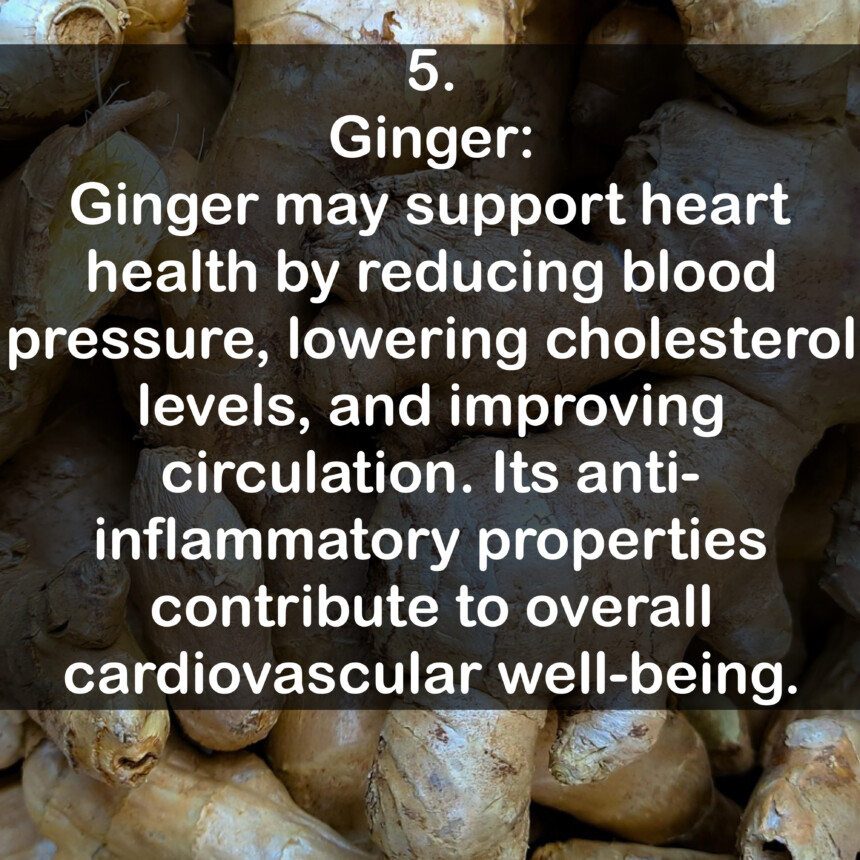
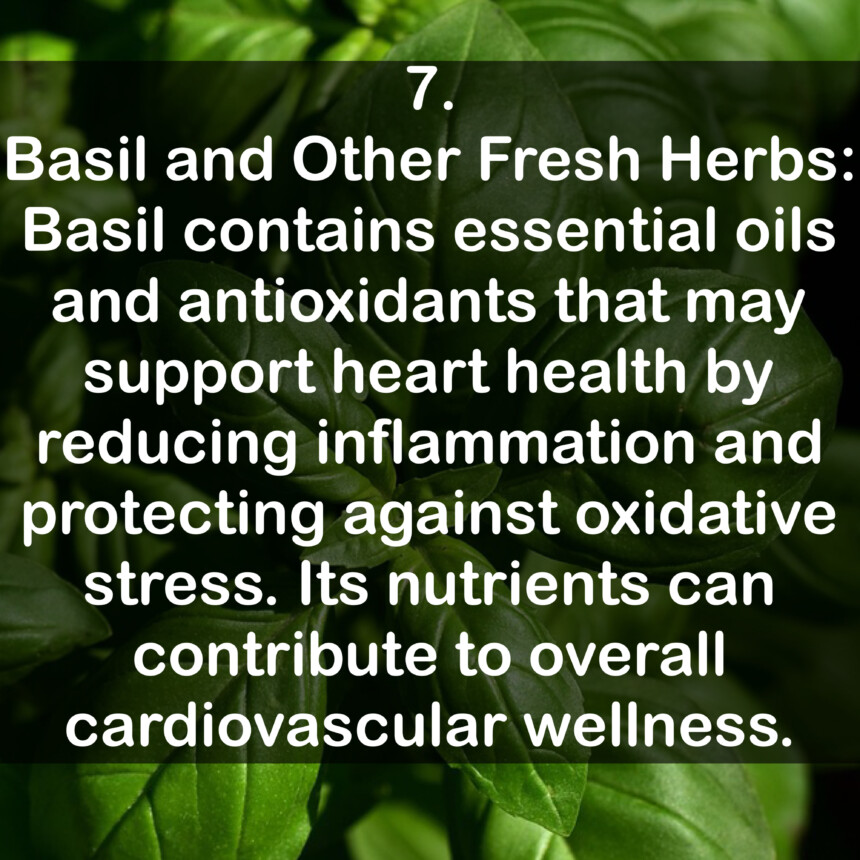
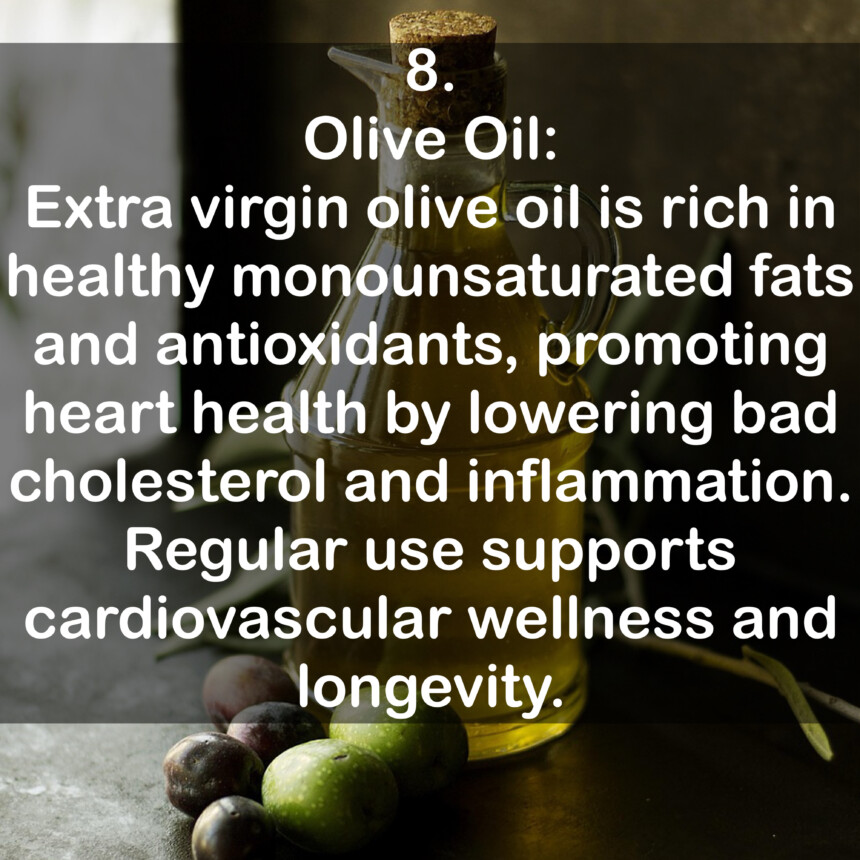
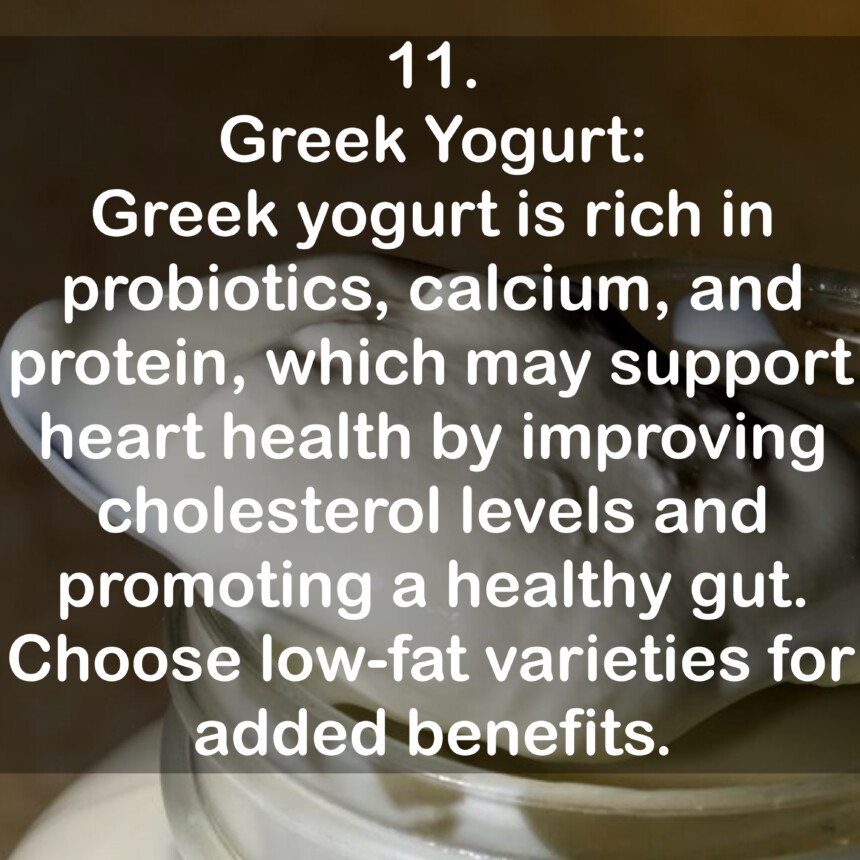
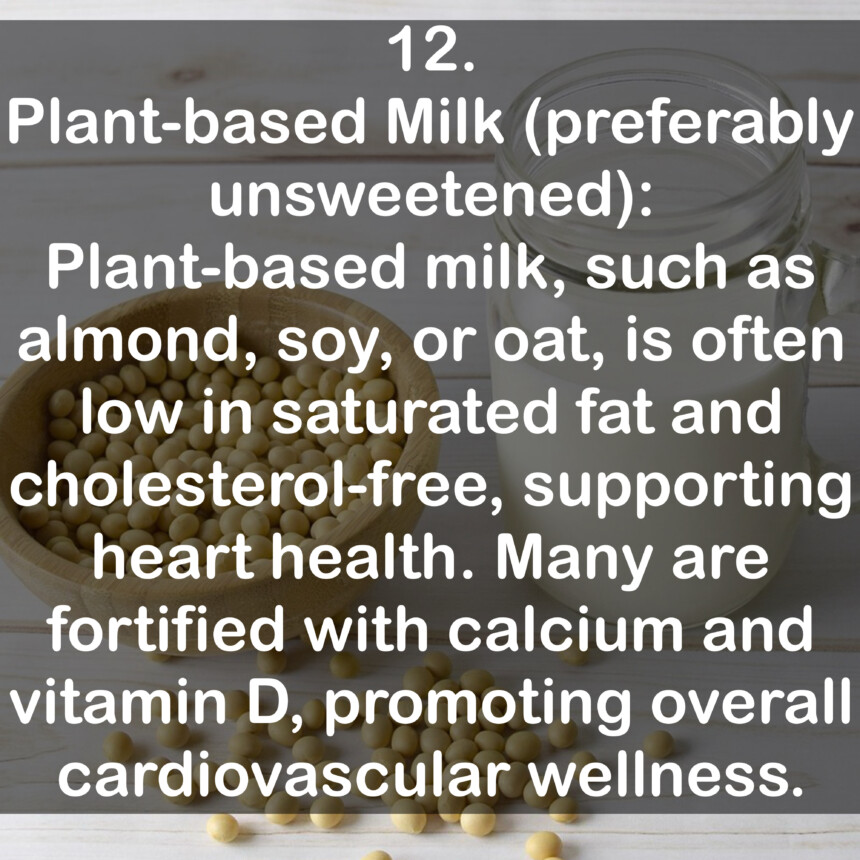
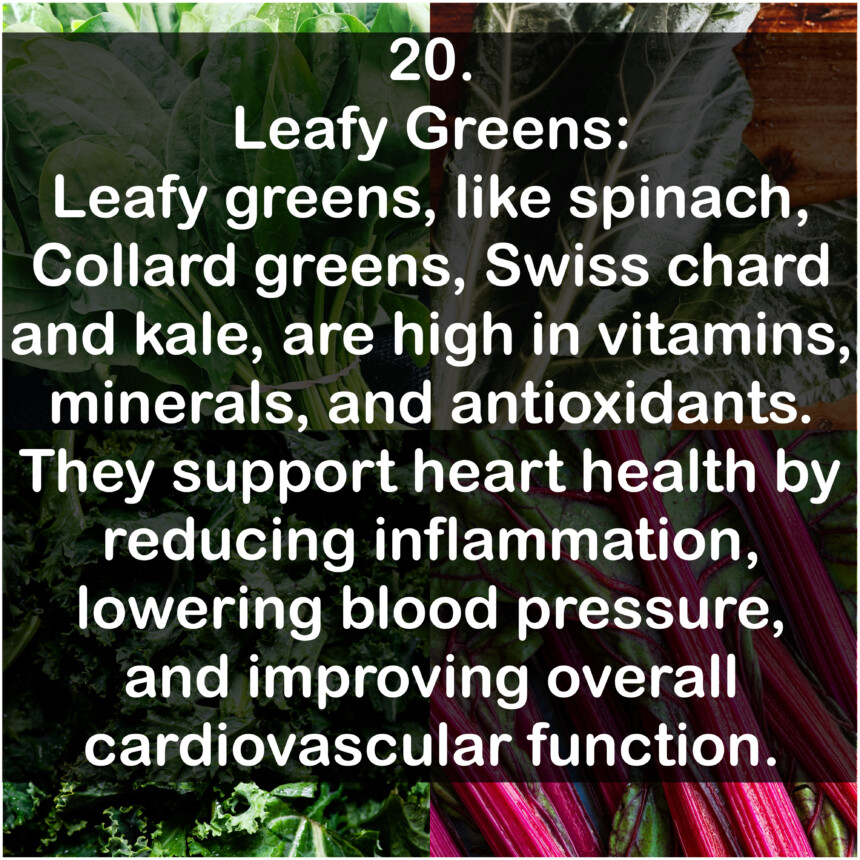
3. Garlic: Garlic may benefit heart health by lowering blood pressure, reducing cholesterol, and improving circulation. Its active compound, allicin, is believed to contribute to these protective effects.4. Turmeric: Turmeric, rich in curcumin, may support heart health by reducing inflammation and improving endothelial function. Regular consumption can help lower the risk of heart disease and promote overall cardiovascular wellness.5. Ginger: Ginger may support heart health by reducing blood pressure, lowering cholesterol levels, and improving circulation. Its anti-inflammatory properties contribute to overall cardiovascular well-being.6. Cinnamon: Cinnamon may benefit heart health by lowering cholesterol and blood pressure. Its antioxidant properties help reduce inflammation, promoting overall cardiovascular wellness when included in a balanced diet.7. Basil and Other Fresh Herbs: Basil contains essential oils and antioxidants that may support heart health by reducing inflammation and protecting against oxidative stress. Its nutrients can contribute to overall cardiovascular wellness.8. Olive Oil: Extra virgin olive oil is rich in healthy monounsaturated fats and antioxidants, promoting heart health by lowering bad cholesterol and inflammation. Regular use supports cardiovascular wellness and longevity.9. Avocado Oil: Avocado oil is high in monounsaturated fats and antioxidants, which can improve heart health by reducing bad cholesterol levels and inflammation, promoting better cardiovascular function and overall wellness.10. Coconut Oil (in moderation): Coconut oil contains medium-chain triglycerides (MCTs) that may raise HDL (good) cholesterol, but its high saturated fat content can also increase LDL (bad) cholesterol. Moderation is key for heart health.11. Greek Yogurt: Greek yogurt is rich in probiotics, calcium, and protein, which may support heart health by improving cholesterol levels and promoting a healthy gut. Choose low-fat varieties for added benefits.12. Plant-based Milk (preferably unsweetened): Plant-based milk, such as almond, soy, or oat, is often low in saturated fat and cholesterol-free, supporting heart health. Many are fortified with calcium and vitamin D, promoting overall cardiovascular wellness.13. Fatty Fish: Fatty fish like salmon, mackerel, and sardines are rich in omega-3 fatty acids, which help reduce inflammation, lower cholesterol, and improve heart health. Regular consumption supports overall cardiovascular wellness.14. Chicken Breast (skinless): Chicken breast is a lean source of protein, low in saturated fat, which can support heart health by aiding in weight management and maintaining healthy cholesterol levels when grilled or baked.15. Turkey: Turkey is a lean source of protein that is low in saturated fat, promoting heart health. It can help maintain a healthy weight and cholesterol levels, making it a heart-friendly option when prepared healthily.16. Legumes: Legumes, such as beans, lentils, and chickpeas, are rich in fiber, protein, and antioxidants, promoting heart health by lowering cholesterol, reducing blood pressure, and improving overall cardiovascular function.17. Tofu and Tempeh: Tofu and tempeh are excellent plant-based protein sources, low in saturated fat and rich in heart-healthy nutrients. They may help lower cholesterol and improve heart health when included in a balanced diet.18. Berries: Berries, like strawberries, blueberries, and raspberries, are rich in antioxidants and fiber, promoting heart health by lowering blood pressure, reducing inflammation, and improving cholesterol levels.19. Avocado: Avocados are rich in monounsaturated fats, fiber, and potassium, which may support heart health by lowering bad cholesterol, reducing blood pressure, and promoting overall cardiovascular wellness.20. Leafy Greens: Leafy greens, like spinach, Collard greens, Swiss chard and kale, are high in vitamins, minerals, and antioxidants. They support heart health by reducing inflammation, lowering blood pressure, and improving overall cardiovascular function.


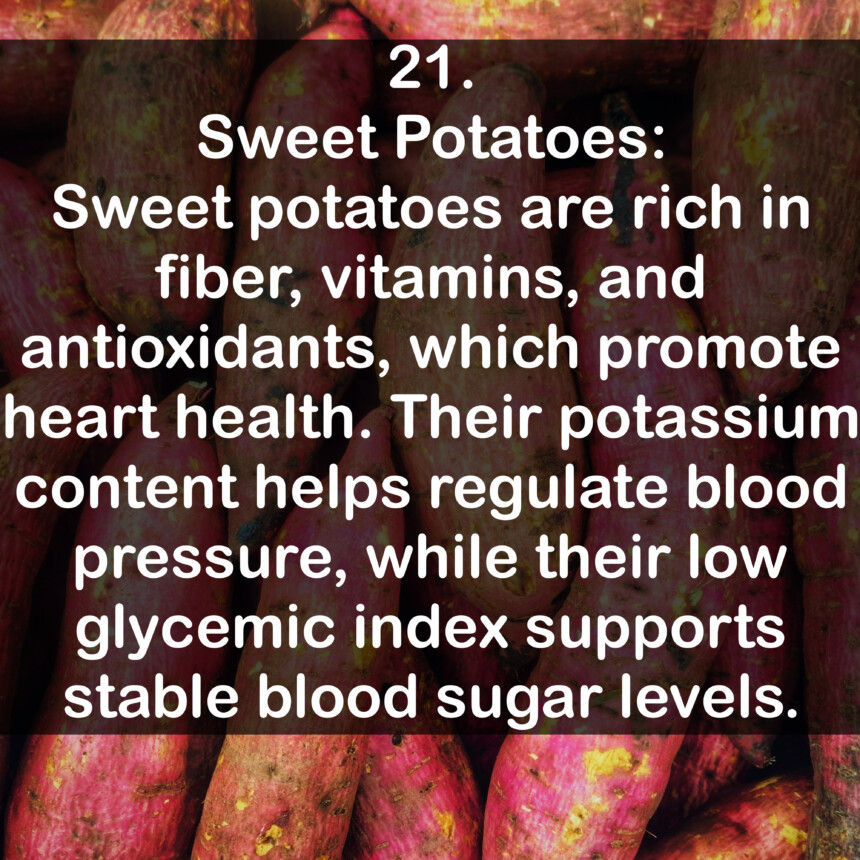
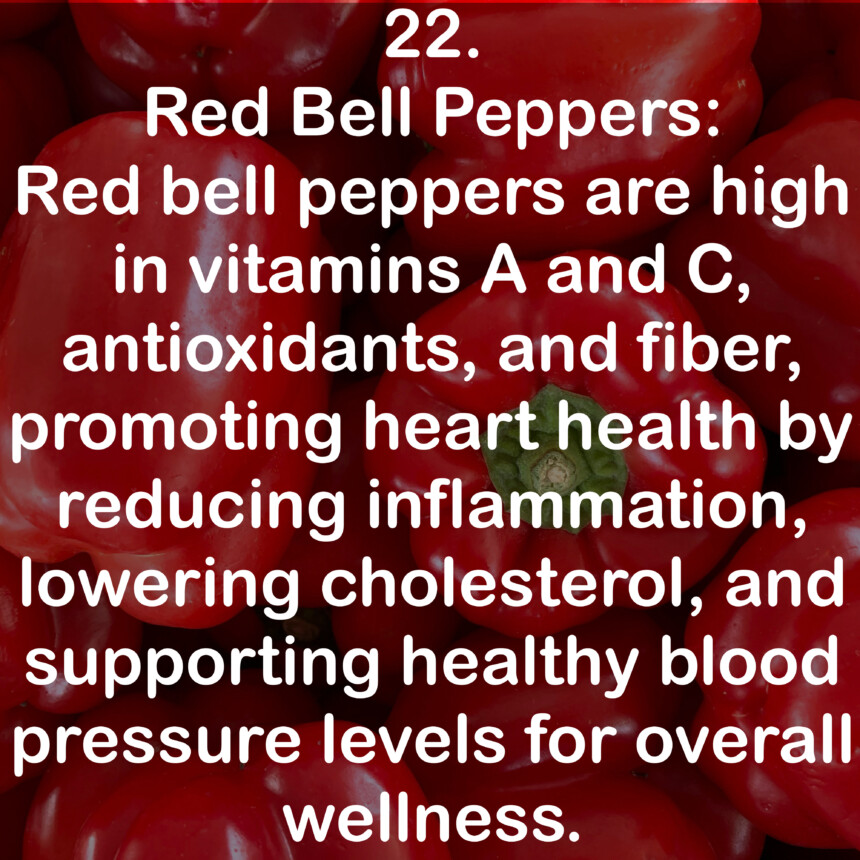
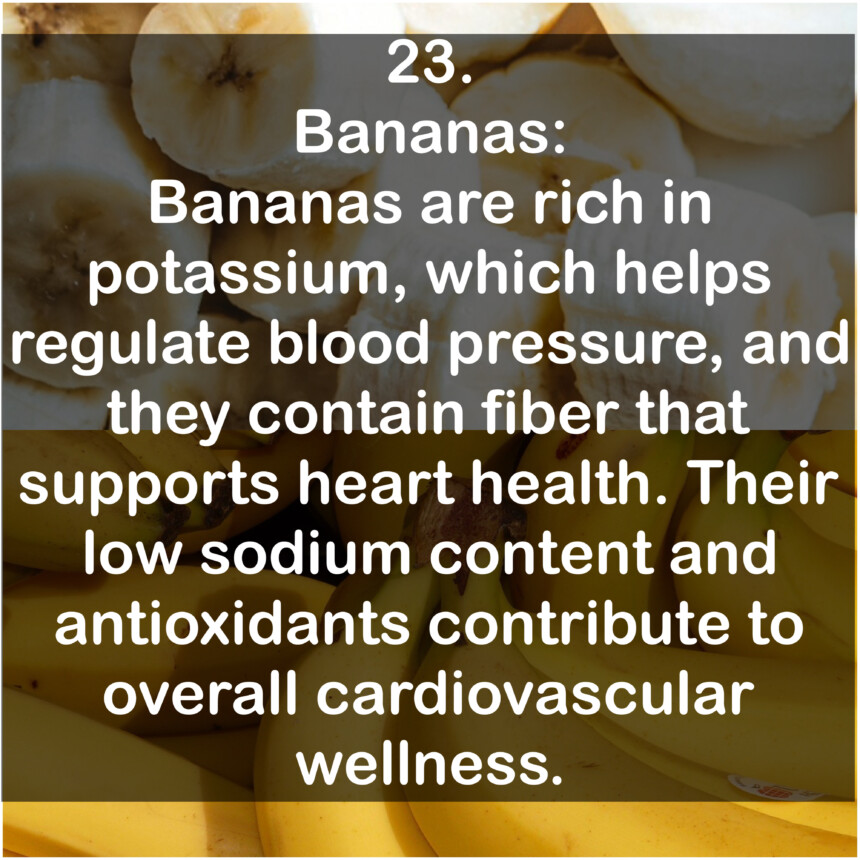
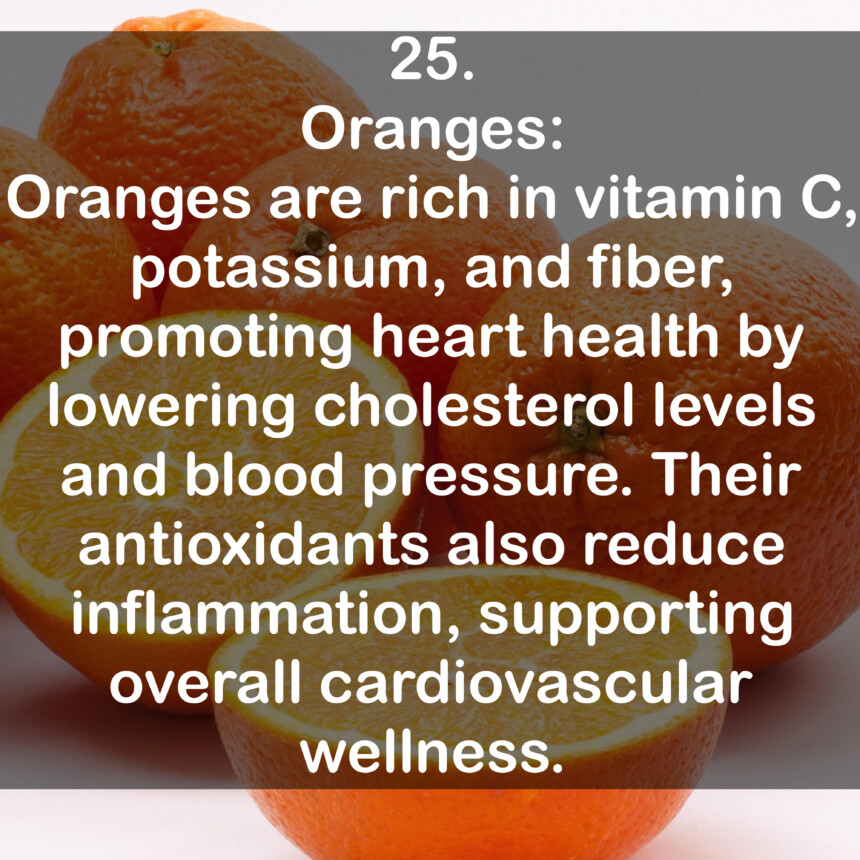
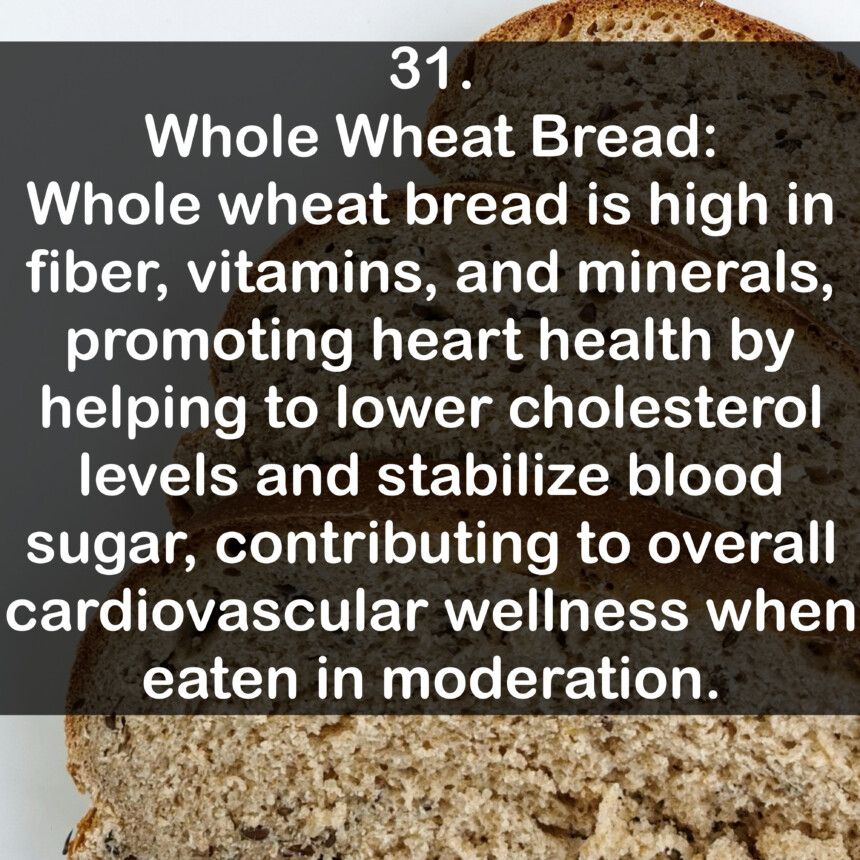
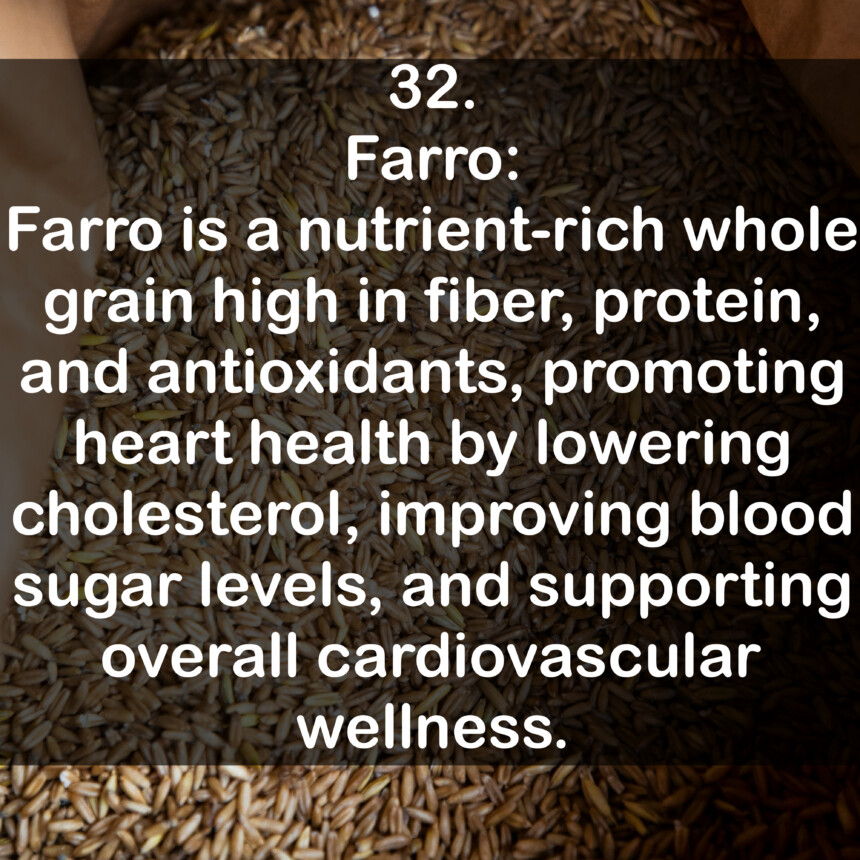
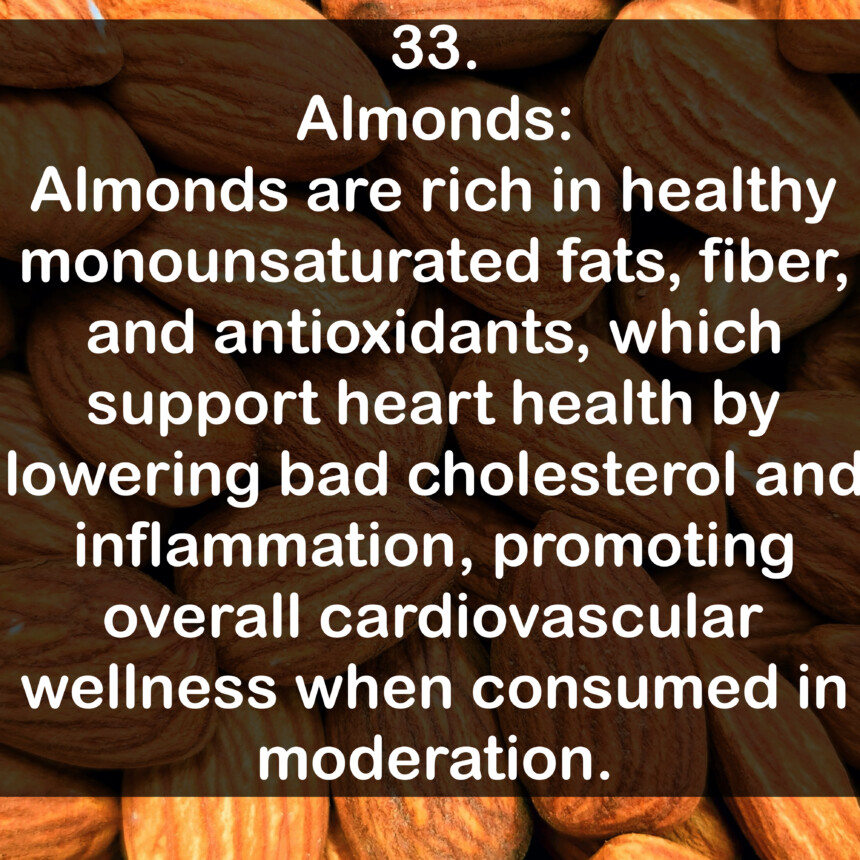
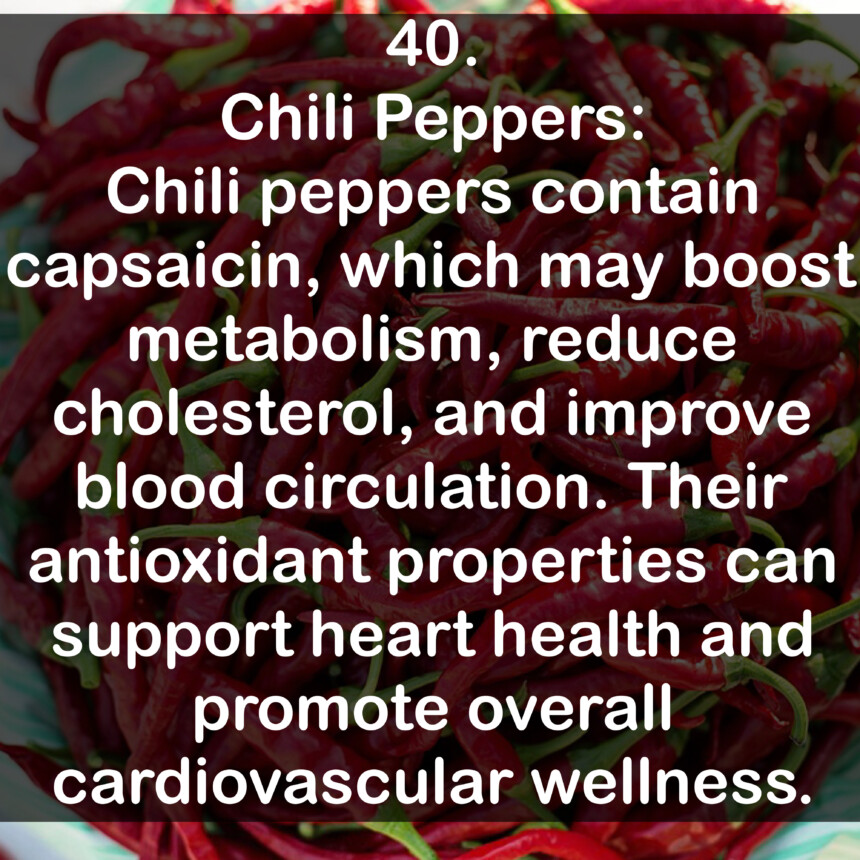
21. Sweet Potatoes: Sweet potatoes are rich in fiber, vitamins, and antioxidants, which promote heart health. Their potassium content helps regulate blood pressure, while their low glycemic index supports stable blood sugar levels.22. Red Bell Peppers: Red bell peppers are high in vitamins A and C, antioxidants, and fiber, promoting heart health by reducing inflammation, lowering cholesterol, and supporting healthy blood pressure levels for overall wellness.23. Bananas: Bananas are rich in potassium, which helps regulate blood pressure, and they contain fiber that supports heart health. Their low sodium content and antioxidants contribute to overall cardiovascular wellness.24. Apples: Apples are high in fiber, particularly soluble fiber, which helps lower cholesterol levels. Their antioxidants and phytochemicals support heart health by reducing inflammation and promoting overall cardiovascular wellness.25. Oranges: Oranges are rich in vitamin C, potassium, and fiber, promoting heart health by lowering cholesterol levels and blood pressure. Their antioxidants also reduce inflammation, supporting overall cardiovascular wellness.26. Pineapples: Pineapples are rich in vitamin C, bromelain, and antioxidants, which can support heart health by reducing inflammation, improving circulation, and aiding in digestion, contributing to overall cardiovascular wellness.27. Oats: Oats are high in soluble fiber, particularly beta-glucan, which helps lower cholesterol levels. They also support heart health by improving blood pressure and promoting overall cardiovascular wellness.28. Quinoa: Quinoa is a nutrient-dense, whole grain rich in fiber, protein, and antioxidants. It supports heart health by lowering cholesterol, improving blood sugar levels, and promoting overall cardiovascular wellness.29. Brown Rice: Brown rice is a whole grain high in fiber, vitamins, and minerals that may support heart health by lowering cholesterol levels and improving blood sugar control, promoting overall cardiovascular wellness.30. Barley: Barley is a whole grain rich in soluble fiber, particularly beta-glucan, which helps lower cholesterol levels. Its antioxidants and nutrients support heart health and improve overall cardiovascular function.31. Whole Wheat Bread: Whole wheat bread is high in fiber, vitamins, and minerals, promoting heart health by helping to lower cholesterol levels and stabilize blood sugar, contributing to overall cardiovascular wellness when eaten in moderation.32. Farro: Farro is a nutrient-rich whole grain high in fiber, protein, and antioxidants, promoting heart health by lowering cholesterol, improving blood sugar levels, and supporting overall cardiovascular wellness.33. Almonds: Almonds are rich in healthy monounsaturated fats, fiber, and antioxidants, which support heart health by lowering bad cholesterol and inflammation, promoting overall cardiovascular wellness when consumed in moderation.34. Walnuts: Walnuts are packed with omega-3 fatty acids, antioxidants, and healthy fats, which promote heart health by reducing inflammation, lowering cholesterol, and improving overall cardiovascular function.35. Chia Seeds: Chia seeds are high in omega-3 fatty acids, fiber, and antioxidants, promoting heart health by lowering cholesterol, reducing inflammation, and supporting healthy blood pressure and overall cardiovascular wellness.36. Flaxseeds: Flaxseeds are rich in omega-3 fatty acids, lignans, and fiber, which support heart health by lowering cholesterol levels, reducing inflammation, and promoting overall cardiovascular wellness when included in the diet.37. Pumpkin Seeds: Pumpkin seeds are high in magnesium, zinc, and healthy fats, which promote heart health by supporting blood pressure regulation, reducing inflammation, and providing antioxidants that benefit overall cardiovascular wellness.38. Sunflower Seeds: Sunflower seeds are rich in healthy fats, vitamin E, and antioxidants, promoting heart health by reducing cholesterol, lowering inflammation, and supporting overall cardiovascular wellness when consumed in moderation.39. Eggs: Eggs provide high-quality protein, essential vitamins, and nutrients like choline. While they contain cholesterol, moderate consumption may not significantly impact heart health for most people.40. Chili Peppers: Chili peppers contain capsaicin, which may boost metabolism, reduce cholesterol, and improve blood circulation. Their antioxidant properties can support heart health and promote overall cardiovascular wellness.41. Dates: Dates are high in fiber, potassium, and antioxidants, which support heart health by lowering cholesterol, improving blood pressure, and reducing inflammation, making them a nutritious addition to a balanced diet.Tips for Incorporating Heart-Healthy Foods: - Focus on a diet rich in fruits, vegetables, whole grains, and lean proteins. - Use healthy fats in moderation, and limit saturated and trans fats. - Choose low-sodium options to keep blood pressure in check. - Stay hydrated and be mindful of portion sizes.Conclusion: Incorporating these foods into a balanced diet can significantly improve heart health and overall wellness. Always consult with a healthcare provider or a nutritionist for personalized advice based on individual health needs.


CLICK “NEXT” Below For More:

NEXT: 7 Facts About Cholesterol