14 Signs of Low Testosterone in Men

Healthy testosterone supports muscle strength, energy, mood, bone health, libido, and overall vitality. Balanced levels help men stay physically strong, mentally sharp, and emotionally resilient.



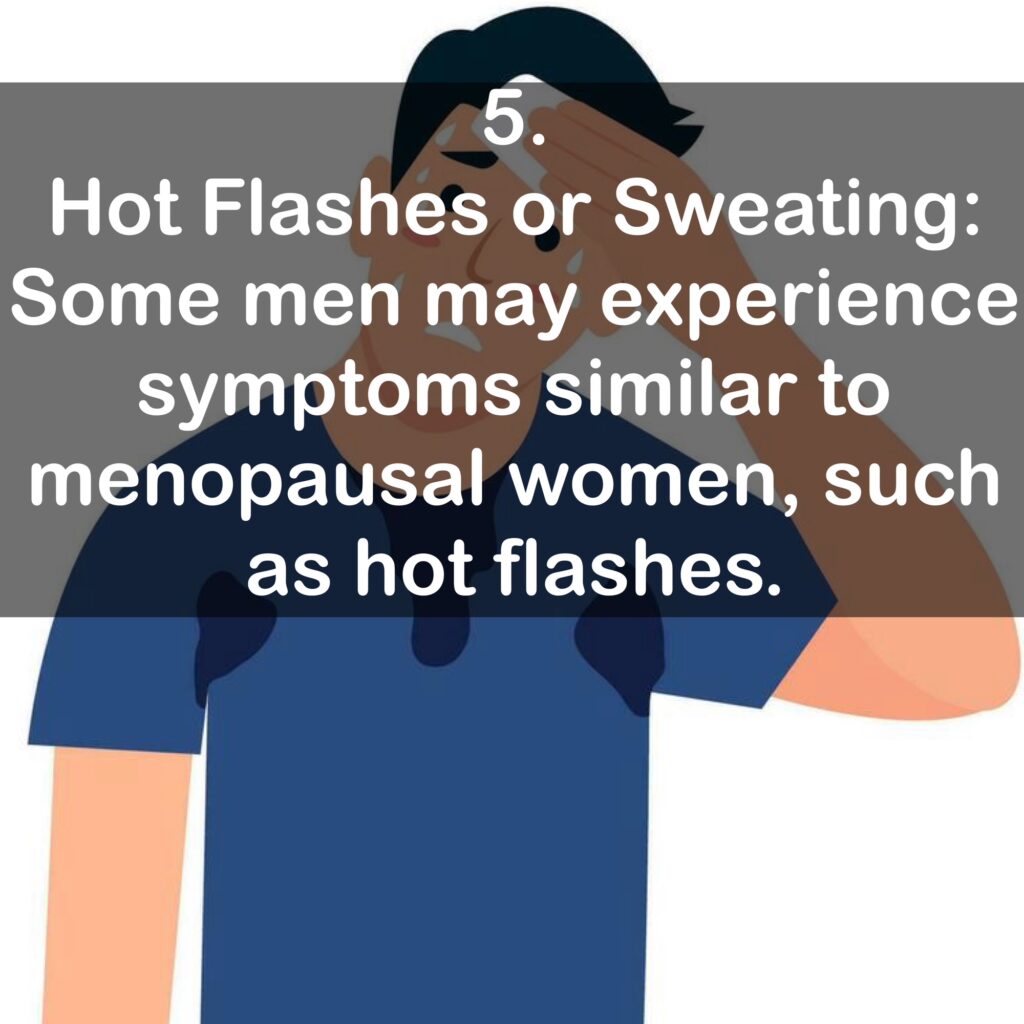
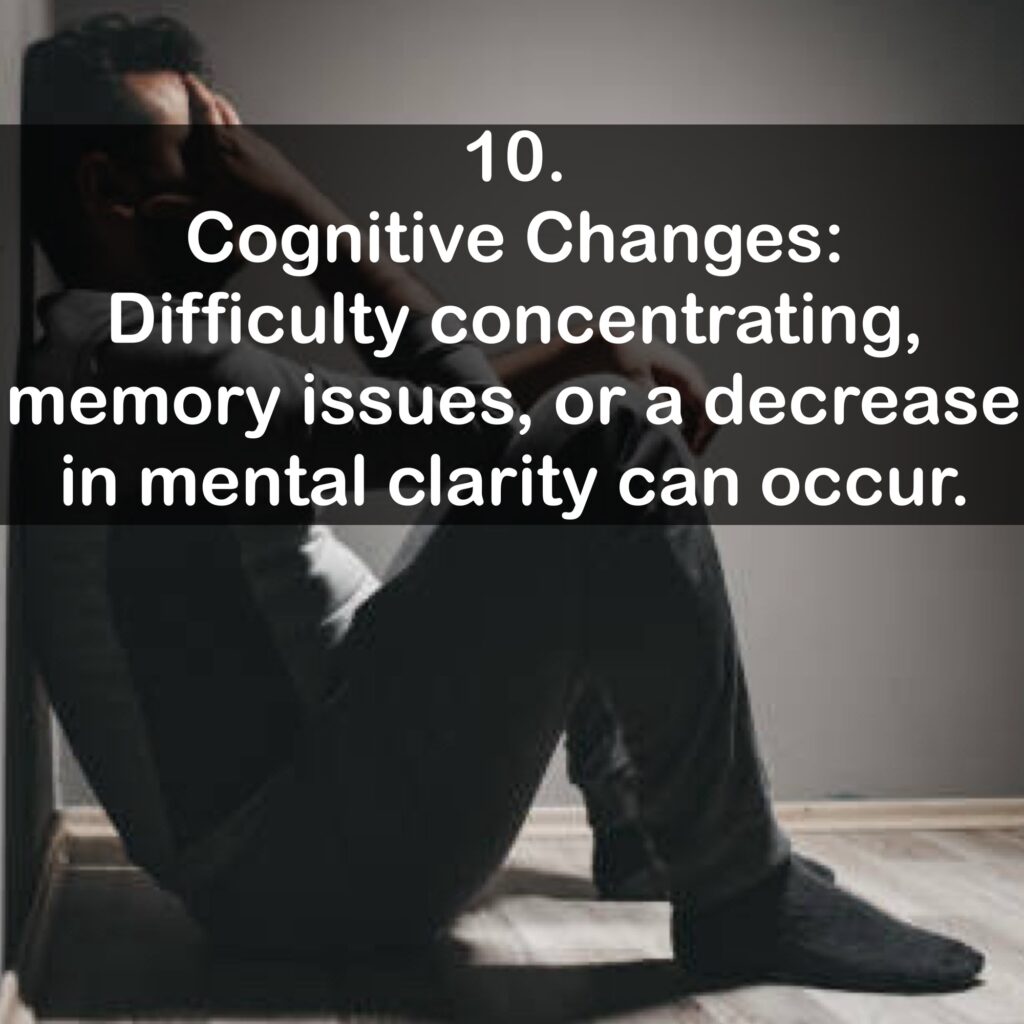
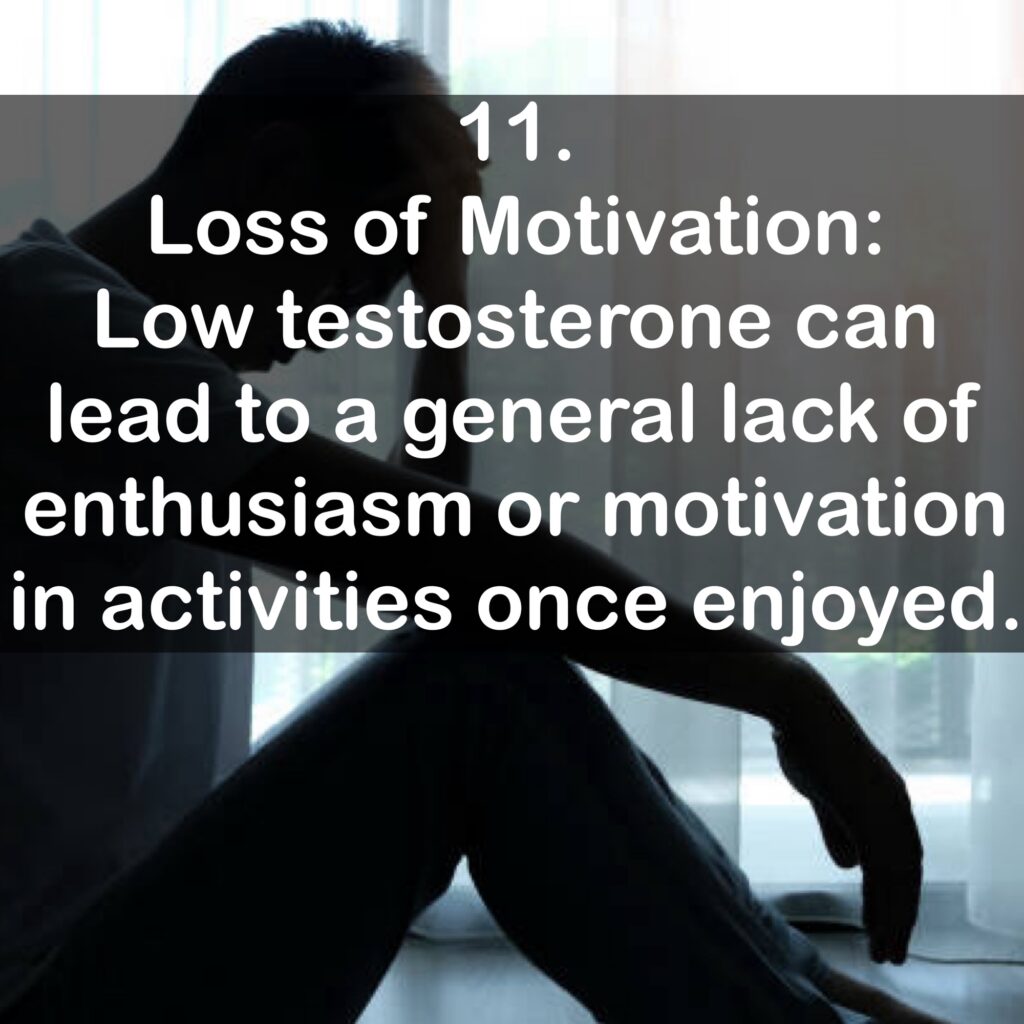
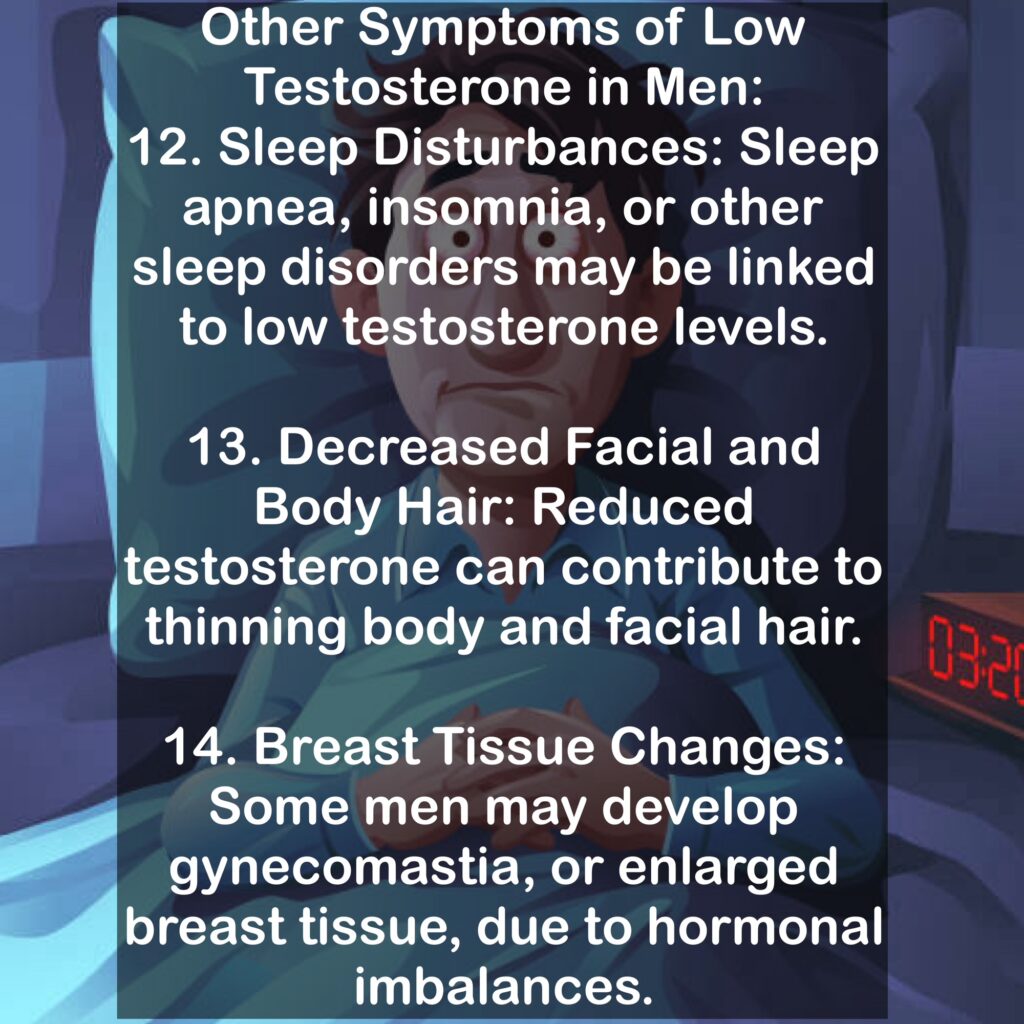

CLICK “NEXT” Below to Continue:

NEXT: 12 Herbs and Plant Natural Painkillers

Discover Our Books Below:
Related Links:
- Low Testosterone And Chemical Exposure
- Top 20 Testosterone Boosting Foods
- 16 Signs of High Cortisol
- 9 Signs Your Gut Health Needs Attention
- Signs of High Cholesterol
- Signs Of Skin Cancer
- 13 Signs of Low Blood Sugar
- Healthy Diet And Energy Levels
- 10 Signs of High Blood Pressure
- 11 Signs of High Blood Sugar
- Top 34 Magnesium Rich Foods🥜
- 5 Signs That You are Eating Too Much Salt
- Top Fat Burning Foods
- Signs and Symptoms of Dehydration
- 10 Benefits of a Balanced Diet
- Calcium And Bone Health
- Never Skip Meals
- 13 Benefits of Walking 10000 Steps a day
- 10 Benefits of Phosphorus
- 12 Biotin Deficiency Symptoms
- Eat Fruits & Veggies
- Your Diet is Not Complete without these 7 Nutrients
- Foods Richest In Calcium
- Nutrients That Help Build Strong Bones
- Phosphorus Deficiency Symptoms
- 10 Benefits of Banana
- Top 18 Foods to Reduce Cortisol Levels
- Potassium Deficiency Symptoms
- 22 Healthy Foods to Boost Your Energy
- 10 Benefits of Magnesium
- 10 Benefits of Vitamin B12
- Consume Protein At Every Meal
- Top 26 Calcium Rich Foods
- Tips to Maintain a Healthy Body weight
- Lift Weights
- Benefits of B vitamins
- Stay Physically Active
- Sleep Regularly To Maximize Health And Vitality
- It Is Never Too Late To Strengthen Your Body
- Top Foods for Healthy and Strong Bones
- 20 Mood Boosting Foods
- Maintain A Healthy Metabolism
- B Vitamins & Energy
- 10 Benefits of Quinoa
- 12 Benefits of Weights Training
- Top 30 Phosphorus Rich Foods
- 10 Benefits of Swiss Chard
- Top Foods for Hormone Balance
- Magnesium Deficiency Symptoms🫘
- Top High Energy Foods
- The Impact of Diet and Exercise on Body Weight
- Exercise Tips for Beginners
- Keep Your Body Weight Down
- 10 Health Benefits of Walnuts
- 10 Health Benefits of Chestnuts🌰
- Eat Frequent Meals
- 10 Benefits of Lemon🍋
- How To Know If Your Diet Is Healthy Enough
- 10 Benefits of Drinking Water💧
- 10 Facts About Vitamin D
- 20 Benefits of Green Tea
- 10 Benefits of Zinc
- Collagen Benefits for Hair
- 12 Daily Habits That Transform Your Body
- Top Foods and Tips for Muscle Building
- 10 Health Benefits of Iron
- Folic Acid Benefits for Women
- Top 20 Collagen Rich Foods
- Reasons To Drink Water
- 11 Benefits of Warm Lemon Water
- 10 Benefits of Salmon
- Stay Away From Fast Food & Refined Sugar
- Top 36 Iron Rich Foods
- Benefits of Carbohydrates
- 10 Health Benefits of Sardines
- 10 Benefits of Goji Berries
- Consume Dark Organic Chocolate To Maximize Health
- Vitamin B12 Deficiency Symptoms
- Vitamin D Deficiency Symptoms
- Fuel Your Brain With Breakfast
- 14 Benefits of Soursop
- 10 Benefits of Tangerine
- Aerobic vs Anaerobic Exercise
- The impact of Diet and Exercise on Mental Health
- 10 Benefits of matcha tea
- Minimize or Avoid White Carbs
- Cardio Exercise Benefits
- About
- Boost Your Energy with Beef Liver Supplement
- B Vitamins, Omega-3 And Depression
- Calcium Deficiency Symptoms
- 10 Benefits of Lettuce
- 10 Benefits of Calcium
- Healthy Ways To Boost Your Energy
- 10 Benefits of Pecans
- Exercise Daily To Maintain A Healthy Skin
- Natural Remedy For Depression
- 10 Benefits Spinach
- 10 Facts about Calcium
- 10 Benefits of Jackfruit