How to Create a Relaxing Evening Routine: Your Ultimate Guide to Unwind


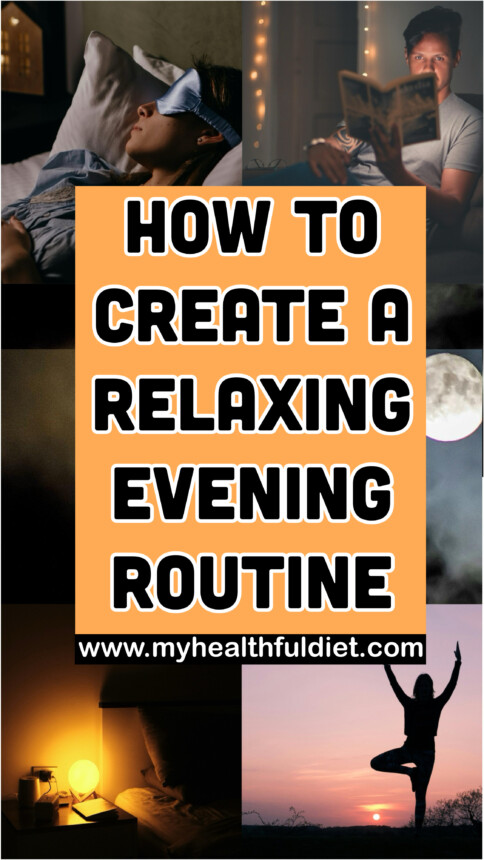 Let’s be real—life moves fast, and most nights just slip by. But those last few hours? They actually matter. The way you close your day shapes how well you sleep, clears your head, and sets the tone for the next day. A good evening routine isn’t some fancy treat; it’s your way of hitting reset. If you’re stuck in a loop of late-night emails, mindless scrolling, or just crashing into bed, maybe it’s time to rethink how you end your day.
You don’t need to overhaul your whole life to find some calm at night. It’s about finding a rhythm, paying attention, and making small choices that help your body and mind let go of the day.
Why an Evening Routine Matters More Than You Realize
Your brain doesn’t have an on/off switch—you can’t just flip it off at the end of the day. After hours of pings, talks, decisions, and nonstop noise, it needs a clear signal to slow down. Skip that signal, and your body hangs onto stress, your mind stays wired, and falling asleep gets a whole lot harder.
A good evening routine does wonders. It calms your mind, lowers stress hormones, and sets you up for real, deep sleep. And when you sleep well, you wake up in a better mood, your immune system works better, your metabolism gets a boost, and you can actually think straight. Basically, how you wind down at night shapes how you show up in the morning.
If you take your evenings seriously, you stop dragging the day into bed with you.
Start With a Clear End to Your Workday
Before you can sink into a relaxing evening, you need to actually sign off in your head—not just light a candle and hope for the best. This is even more true if you work from home. Set a real end to your day. Close your laptop, clear off your desk, and jot down what matters most for tomorrow. That way, your brain won’t keep spinning through your to-do list at midnight.
This simple routine helps your mind switch off. It’s your way of saying, “Alright, we’re done.”
If you’re still thinking about unfinished work, remind yourself: real productivity starts with rest. Protect your downtime tonight, and you’ll get more done tomorrow.
Reduce Digital Stimulation Without Going Extreme
You don’t have to ban screens completely, but you do need some boundaries. Phones, tablets, TVs—they all give off blue light that messes with your melatonin. And it’s not just the light. Scrolling through feeds or watching videos keeps your mind switched on when you’re supposed to be winding down.
Try picking a “digital sunset”—say, an hour or so before bed. Dim your screen, turn on night mode, or just leave your phone in another room. Instead of scrolling, do something that actually helps you relax. Maybe flip through a book, put on some quiet music, or just talk with someone.
If you like guided meditations or sleep stories, apps like Calm or Headspace work well without making your brain buzz. The trick is to use tech on purpose, not just out of habit.
You’re not aiming to be perfect here. The point is to give your brain and body a chance to slow down.

Create a Physical Environment That Encourages Calm
You might not notice it, but what’s around you shapes how you feel. Bright overhead lights? They tell your brain to stay awake. Piles of clutter just remind you of everything you haven’t finished. Noise says, “Something’s happening—pay attention.”
At night, it’s time to switch things up. Turn down the lights. Swap out those harsh bulbs for something warmer. Clear off the counters or your nightstand—even a quick five-minute tidy-up calms the space. Your mind stops buzzing, and suddenly, the room feels different.
Don’t forget about temperature. A cooler bedroom makes it way easier to drift off. Clean sheets, a comfy pillow, and soft, breathable fabrics all add up. They might seem like small things, but together, they make a big difference.
And then there’s scent. Certain smells—lavender, chamomile, sandalwood—help your brain wind down. Maybe you use a candle, a linen spray, or just a few drops of essential oil. The scent tells you: it’s time to rest.
Nourish Your Body Without Overloading It
What you eat at night really shapes how well you sleep. If you go for a big, heavy meal late, your body spends the night working on digestion instead of getting into that deep, restorative rest. But skipping dinner or going to bed hungry isn’t great either—it can leave you tossing and turning.
Try to find some middle ground. Eating dinner a couple of hours before bed helps. Go for foods that fill you up without making you feel stuffed. And if you’re hungry later, keep it light—yogurt, a few nuts, maybe some herbal tea.
Caffeine’s a big one. It sticks around in your system for hours, sometimes even longer than you’d think. If you’re having trouble falling asleep, take a hard look at that afternoon coffee run.
Don’t forget about drinks, either. Staying hydrated is important, but if you down a lot of water right before bed, you’ll probably wake up in the middle of the night. Tweak these habits just a little, and you’ll likely notice a difference.
Introduce a Wind-Down Ritual That Signals Safety
Your body lets go and relaxes when it feels safe, and doing the same things every night helps build that sense of safety. If you repeat calming habits before bed, your brain starts to link them with sleep.
A warm shower or bath does wonders. After you step out and your body cools down, it’s like a signal: time for bed. Easy stretches can loosen up tight spots in your neck, shoulders, and hips. And if you slow your breathing, you wake up the part of your nervous system that tells your body to rest.
You really don’t need anything fancy. Just ten minutes, done with intention, can make a difference. What matters most is sticking with it.
Journaling works for a lot of people. When you write down whatever’s on your mind, it keeps your thoughts from spiraling. Maybe you jot down three good things from your day, or just let your thoughts spill out with no plan at all. Either way, it helps clear your head and keeps those late-night worries from taking over.
Replace Mental Noise With Mental Stillness
Modern life is noisy—sometimes it feels like your mind won’t quiet down, even when everything else does. That’s where a good evening routine comes in. It helps you stop overthinking and just reflect for a while.
Picking up a fiction book works wonders. It gives your brain something to focus on, but doesn’t push you into stress mode. Go for stories that feel light and easy, not something that keeps you on edge.
If you’re into guided routines, a few minutes of mindfulness can really help. Try breathing in for four seconds, then out for six. It’s a simple trick, but it tells your brain to relax.
You’re not trying to wipe your mind blank. The goal is just to turn down the volume a bit.
Protect Your Sleep Window
Sticking to a regular sleep schedule keeps your body’s internal clock on track. Head to bed and wake up around the same time every day—even on weekends. Your body gets used to the routine and starts winding down on its own.
But those late-night Netflix marathons? They throw everything off. Streaming platforms want your attention, and autoplay makes it way too easy to lose track of time. If you struggle to stop, pick a bedtime and set an alarm to remind yourself when it’s time to start winding down.
Sleep isn’t wasted time. It’s when your body gets to work—your brain files away memories, repairs itself, and resets your mood. Guard your sleep hours like you would any other priority. Your energy and focus during the day depend on it.
Address Stress Before It Reaches the Pillow
If you notice your anxiety creeping up at night, it’s probably time to start tackling stress earlier in the evening. Skip heated debates, stressful work talks, or any content that gets your emotions fired up right before bed.
Get your body moving during the day, too. Even a quick walk in the afternoon helps shake off some of that built-up tension. By the time evening rolls around, you’ll find it easier to unwind.
And if your mind just won’t quit, try setting aside a specific “worry time” earlier in the day. Take ten minutes to jot down what’s on your mind and what you can do about it. This way, you teach your brain to sort through stress before you hit the pillow—not while you’re lying there trying to sleep.
Make It Personal, Not Perfect
There’s no one-size-fits-all when it comes to winding down at night. What helps one person relax might not work for someone else. The point isn’t to copy another person’s routine—it’s about building something that actually fits your life.
If you’ve got kids, maybe your routine doesn’t even start until they’re finally asleep. Work late? Your “evening” could kick off at midnight. Doesn’t matter. What matters is you make a clear shift, dial things down, and set up a few calming habits you can count on.
Don’t try to change everything at once. Pick two or three things and stick with them for a couple of weeks. Pay attention to how you feel. Tweak things as you go. A good routine comes together bit by bit, not all at once.
The Long-Term Impact of Unwinding Well
When you end your day on purpose, things start to change—even if you barely notice at first. You drift off to sleep quicker. Mornings feel lighter. Your mood evens out. Stress doesn’t hit as hard. Suddenly, you get more done without really trying, just because you’re actually rested.
A calm evening routine isn’t just some luxury. It’s how you show respect for your own energy. It’s your way of saying, “I matter, too,” not just all the stuff you have to get done.
The day is always going to pull at you. But your evening? That’s your chance to give something back to yourself.
So, slow things down. Turn down the lights. Leave your phone alone. Breathe a little deeper. Let your body know it’s okay to relax now.
Tomorrow will thank you for it.