Simple Ways to Flavor Veggies Without Calories
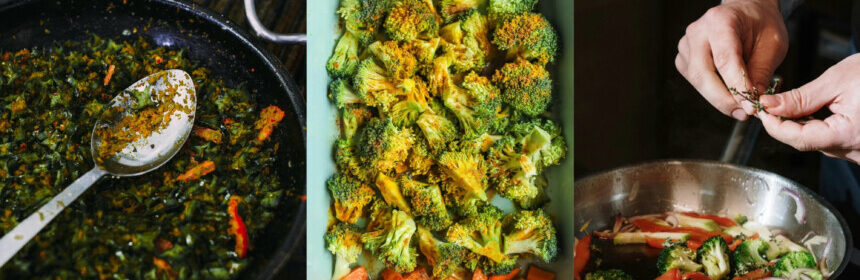

Let’s be honest—nobody ever complained about vegetables lacking nutrition. The real problem? They usually just don’t taste that exciting. Most folks picture limp steamed broccoli, sad salads, or those obligatory veggie sides that sit on your plate untouched. But here’s the thing: you don’t need to drown vegetables in butter, heavy sauces, or sugary dressings to make them taste good. A few smart tricks and the right ingredients can totally transform them. Suddenly, that pile of greens becomes the main event—and your waistline doesn’t suffer for it.
It’s less about what you throw on top, and more about how you think about flavor. Once you get how acidity, herbs, spices, heat, and cooking methods can play off each other, you start seeing vegetables differently. There’s a whole world of flavor waiting, and dinner gets a lot more interesting.
Acidity is a game-changer. Try squeezing some fresh lemon over roasted asparagus or sautéed spinach. Instantly, the whole dish wakes up. Different vinegars—red wine, apple cider, balsamic—bring layers of flavor without making things heavy. Acid doesn’t cover up the taste of vegetables; it lifts what’s already there. Suddenly, carrots taste even sweeter, kale loses its bitterness, mushrooms get deeper and richer. And honestly, just a quick splash of vinegar or lemon at the end brings more to the table than another glug of oil or sprinkle of salt at the start.
Fresh herbs can totally transform vegetables with almost no effort. Think cilantro, parsley, dill, basil, or mint—each one brings its own vibe, even if you’re just tossing them over plain steamed veggies. Chop up a handful and add them right at the end, while the veggies are still warm. The smell alone is enough to make you want to dig in. Herbs do more than just taste good—they fill the air with aroma, and let’s be honest, that’s a huge part of why food feels special. Take green beans, for example. Throw on some fresh dill and a little lemon zest, and suddenly you’re not just eating your veggies—you’re actually looking forward to the next bite.
And while we’re on the topic of zest, citrus peel deserves way more attention than it gets. Lemon, lime, orange—whatever you’ve got. The oils in the skin pack a punch, all without any sugar or fat. Just grate a little over roasted Brussels sprouts or grilled zucchini, and everything instantly tastes brighter, more interesting. You don’t need much—the flavor is strong, so a light touch does the trick.
Now, spices—that’s where things get really fun. They’re pretty much calorie-free, but they can totally change the mood of a dish. Smoked paprika gives cauliflower a barbecue feel. Cumin and coriander turn roasted carrots into something warm and cozy. Turmeric? It brings earthiness and that gorgeous golden color to sautéed cabbage. And if you want a little heat, toss some chili flakes onto squash or green beans. To make spices even better, toast them in a dry pan for a minute before you add your veggies. That quick step wakes up their aroma and takes the flavor to another level.
Don’t sleep on garlic and onions. Sure, they barely have any calories, but the punch they pack in a dish is huge. Toss a bit of fresh garlic into some steamed greens, or sauté it with mushrooms—suddenly, everything tastes deeper and more interesting. Shallots are a nice option too. They’re like onions but softer, a little sweeter, and they’re perfect in salads or roasted alongside other veggies. And if you’ve ever roasted a head of garlic until it’s soft and golden, you know how rich and almost buttery it gets—no need for heavy fats.
Another trick people often miss? Switch up how you cook things. Texture changes everything. If you just steam vegetables, they can taste pretty bland because there’s no browning. But crank up the heat—roast, grill, or broil—and you get this awesome caramelized flavor thanks to the Maillard reaction. Take broccoli: when those little edges crisp up and turn golden in the oven, suddenly it tastes nutty and sweet. You barely need any salt or butter—those flavors just pop on their own.
Grilling is another game changer. It adds a hint of smokiness, almost like you used a fancy sauce. Bell peppers, eggplant, zucchini, asparagus—they all get better with a little char. Honestly, just hit them with some black pepper, a squeeze of lemon, maybe a few fresh herbs after they come off the grill, and you’re set. Simple, but so good.
Fermented ingredients also provide powerful flavor with minimal calories. Toss a spoonful of sauerkraut next to some roasted veggies—it brings this bright, tangy kick that just wakes everything up. Kimchi isn’t just for rice; it can totally transform a bowl of sautéed greens, giving them some real energy. Even miso, just a little bit whisked into warm water and brushed over vegetables before they hit the oven, delivers that deep, savory umami that makes you forget you ever wanted anything heavier.
Speaking of umami, you don’t need steak or cheese to get it. Mushrooms are loaded with natural glutamates, so roast them until they’re golden and you’ll end up with these flavor bombs that go great with delicate veggies like spinach or zucchini. Hit them with a splash of low-sodium soy sauce or tamari—suddenly, you’ve got this huge flavor, but the calorie count barely moves.
And don’t underestimate black pepper. Just grinding some over your veggies brings a gentle heat and a little aroma that goes a long way. Throw in some lemon zest and chopped parsley, and suddenly the dish feels finished, almost fancy, without much fuss. Honestly, sometimes the best results come from holding back and letting a few good ingredients shine.
Heat can really wake up vegetables if you use it right. Capsaicin—the thing that gives chili peppers their kick—makes your mouth tingle and brings out way more flavor. Toss a little cayenne or splash some hot sauce on boring roasted sweet potatoes, and suddenly they’re anything but dull. Plus, when you add heat, you don’t need to dump in a bunch of salt. The flavors just pop.
Marinating is another trick that works wonders. Mix up some vinegar, garlic, a handful of herbs, and your favorite spices, then let sliced zucchini or eggplant soak it up before grilling. Veggies take on flavor fast, so you don’t have to drown them in oily marinades to get the job done. Even something simple—like letting cucumbers hang out in rice vinegar and dill for a few minutes—turns them into a crisp, fresh side that’s satisfying all on its own. Forget the heavy dressing.
Temperature matters too. Try pairing hot, roasted vegetables with a dollop of cool, herby Greek yogurt. You get this great balance, and you’re not piling on calories. Or just chop up some fresh herbs and toss them over your veggies right before serving. That last hit of freshness keeps every bite interesting.
Don’t just throw everything into the pan and hope for the best. Let flavors build up, step by step. Start by dry-toasting your spices—wake them up a little. Then toss in your garlic and onions, let them sizzle. Add your veggies next, and give them a chance to brown and get some flavor going. Finish it off with a splash of acid and a handful of fresh herbs. This way, you end up with deep, layered flavor—no heavy ingredients needed.
Look around the world for ideas. Mediterranean food leans on herbs, citrus, and loads of garlic. Mexican recipes use lime, cilantro, chili, and cumin to turn vegetables into something bright and exciting. Japanese dishes often use miso, rice vinegar, and a little sesame—simple, but so balanced. Indian cooking shows off how turmeric, coriander, mustard seeds, and ginger can take plain vegetables somewhere special, no extra cream or butter required.
Even the right condiment can totally lift a dish—if you use it with purpose. A spoonful of mustard brings sharpness to roasted potatoes or green beans. Horseradish gives steamed carrots a little kick. Fresh salsa—think tomatoes, onions, jalapeños, cilantro—packs a punch and barely adds any calories. The trick is not just tossing these in at the end, but thinking about where they fit.
And about salt—it’s not the bad guy. It actually works wonders when you use it alongside acids, herbs, and spices. A little goes a long way if everything else is in balance. When you’ve seasoned and caramelized your veggies properly, you don’t need a ton of salt to make them delicious.
Presentation matters more than most people think. Bright, colorful veggies lined up on a plate just look better. Add a handful of chopped herbs or a pinch of paprika and suddenly, the food pops—both in taste and looks. When a dish looks lively, you expect it to taste amazing, and honestly, you’re usually right.
Seasoning vegetables without piling on calories isn’t about missing out. It’s about getting creative. Shift the focus away from heavy sauces. Instead, think about fresh flavors, great smells, and smart tricks. Try roasting instead of steaming, finish with a squeeze of lemon instead of melting butter, or toss in some fresh herbs instead of grated cheese. That’s when vegetables start to feel like the main event, not just something you’re settling for.
They become the highlight of the meal.
What’s great about this approach is how sustainable it feels. You’re not chasing after rare ingredients or fussing over tricky recipes. Instead, you’re picking up straightforward tricks—like adding a splash of acid for brightness, tossing in herbs for a fresh kick, reaching for spices to bring warmth, and cranking up the heat for deeper flavors. These ideas work with any vegetable, any time of year. After a while, your taste buds catch on. Suddenly, you start craving those clean, layered flavors that come from good seasoning, not just loads of richness.
Vegetables already have so much going for them—crunch, sweetness, a bit of bitterness, all sorts of colors. When you stick to these simple, calorie-free moves, you boost what’s already there instead of covering it up. You end up with food that feels light but is packed with flavor. It’s filling, but never heavy.
That’s really how vegetables steal the show and finally take center stage: bold, bright, and nothing close to boring.
