Plant Based Diet for Beginners: A Complete Guide to Getting Started

 A plant-based diet has moved from a niche lifestyle choice to a widely recommended approach for improving long-term health. If you’re new to this, especially if you’re dealing with diabetes, insulin resistance, inflammation, hormone issues, or heart problems, it might feel a little daunting. But really, shifting to a plant-based diet doesn’t have to be hard, and it doesn’t mean giving up everything you love. When you stick with real, whole foods, it’s actually one of the simplest and most effective ways to shed fat, keep blood sugar steady, and just feel better overall.
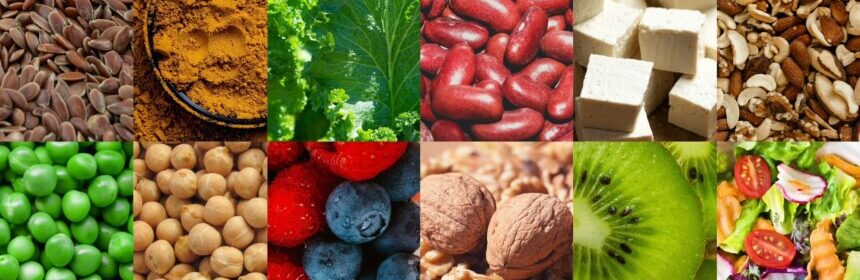
So what does it actually mean to eat plant-based? Basically, you focus on foods that grow out of the ground—vegetables, fruits, beans, whole grains, nuts, and seeds. You cut back on, or skip, animal products as much as you can. The real benefit isn’t only about what you’re leaving out—it’s about what you add in. Whole plant foods is rich in fiber, antioxidants, and phytonutrients that work together to support the body’s natural systems, especially those involved in metabolism, hormone regulation, and cardiovascular health.
If you’re dealing with diabetes or insulin resistance, switching to a plant-based diet can make a real difference when it comes to managing your blood sugar. Foods high in fiber—think lentils, beans, oats, and leafy greens—slow down how fast your body digests food. That means you don’t get those big, sudden jumps in blood sugar, and your insulin doesn’t have to work as hard. Over time, your body gets better at using insulin, which is really important for keeping early metabolic problems in check.
There’s also the issue of inflammation, which connects so many health problems—diabetes, obesity, heart disease, you name it. What you eat matters a lot here. Highly processed foods, sugary snacks, and too much saturated fat all kick up inflammation inside your body. On the other hand, plant-based foods tend to calm things down. Berries, leafy greens, turmeric, and walnuts, for example, contain compounds that help calm the immune system and reduce oxidative stress. This helps your body focus on healing, not on fighting constant fires.

Most people don’t think much about hormones when they talk about nutrition, but they’re actually linked to almost everything we do. Hormones control things like hunger, metabolism, mood, and even reproductive health. What you eat really shapes that. If you stick with a plant-based diet, you cut down on extra hormones that show up in some animal foods and get a steady stream of nutrients that help your body make and process its own hormones way better. Cruciferous vegetables like broccoli and cauliflower contain compounds that assist the liver in processing excess estrogen, while healthy fats from foods like avocados and flaxseeds support the production of essential hormones.
Now, if you’re trying to lose fat, a plant-based diet makes that easier without leaving you feeling deprived. Whole plant foods tend to be lower in calorie density but higher in volume, meaning you can eat satisfying portions while still consuming fewer calories overall. Fiber helps, too, since it keeps you feeling full. Instead of slashing major food groups or surviving off weird trends, a plant-based approach lets you eat plenty — just from different sources.
Plant-based diets do wonders for your heart. When you pack your meals with fruits, veggies, and whole grains, you tend to see lower cholesterol, better blood pressure, and smoother circulation. Oats and beans, loaded with soluble fiber, actually help clear extra cholesterol out of your system. Foods high in potassium—think bananas and sweet potatoes—work to keep your blood pressure in check. Put it all together, and you can seriously cut your chances of developing heart disease, which is still a top killer around the world.
For beginners, the transition to a plant-based diet is best approached gradually. Start simple. Add more plant-based foods to what you already eat instead of stressing about what not to eat. Switch out white bread or pasta for whole grain versions. Add some beans into your favorite soups or salads. Grab fruit or nuts for snacks. These little steps add up, turning a plant-based diet into something that feels easy and sticks around for good.
People worry a lot about getting enough protein, but honestly, it’s not as hard as it sounds. Sure, animal foods like meat and eggs pack a lot of protein, but plants do the job too—as long as you mix it up. Beans, lentils, tofu, tempeh, quinoa, and even regular old veggies all add to your daily protein count. The real trick? Don’t just eat the same thing every day. Throw together different legumes, grains, and vegetables, and you’ll hit your protein goals without difficulty.
There’s also the question of getting the right mix of nutrients. While a plant-based diet is rich in many vitamins and minerals, certain nutrients such as vitamin B12, iron, and omega-3 fatty acids require attention. Sometimes you need to turn to fortified foods or supplements for those. Paying attention to these small details makes the diet work, so you’re not just full, but actually getting everything your body needs.
If you want a diet that actually sticks, sustainability is the key. Strict rules and unrealistic goals usually end in frustration. But when you build in some flexibility, you’re way more likely to keep going. A plant-based diet does not have to be all-or-nothing. Some people choose to follow it fully, while others adopt a more flexible approach, reducing animal products without eliminating them entirely. Both paths can offer meaningful health benefits.
Food isn’t just about nutrition, though. It’s tied up in culture, memories, and the way you live day to day. For plant-based changes to work, they have to fit into your life, rather than ignoring what matters to you. The good news? You can use plant-based ingredients to bring back those familiar tastes you love—no need to replace your favorite dishes, just adjust them. That way, the shift doesn’t feel like you’re giving something up. It feels more like you’re opening up new options.
In the end, it’s not about being perfect—it’s about moving forward. A plant-based diet really settles in when you treat it as just one part of a bigger picture: getting enough sleep, staying active, and keeping stress in check. All these things work together. They push your metabolism in the right direction, help bring down inflammation, and give your body a better sense of balance.
If you’re just starting, curiosity beats pressure every time. Play around with new foods, experiment with recipes, and actually notice how your body reacts. That’s how the whole thing starts to feel positive instead of like a chore. And, honestly, you’ll usually notice the payoffs. Your energy feels steadier, your digestion improves, your blood sugar gets more predictable, and you lose fat more consistently—all of which helps keep you motivated.
It’s not some overnight miracle, but a plant-based diet is a seriously effective tool. When you stick with it and keep things balanced, you can tackle everything from stubborn insulin resistance to heart health without burning out. Plus, it just makes sense—real, whole plant foods aren’t complicated or expensive, and you can adapt them to whatever works for you. That mix of simplicity and flexibility is really what helps you turn this from a short-term change into an everyday habit.