
Vitamin K Deficiency Symptoms
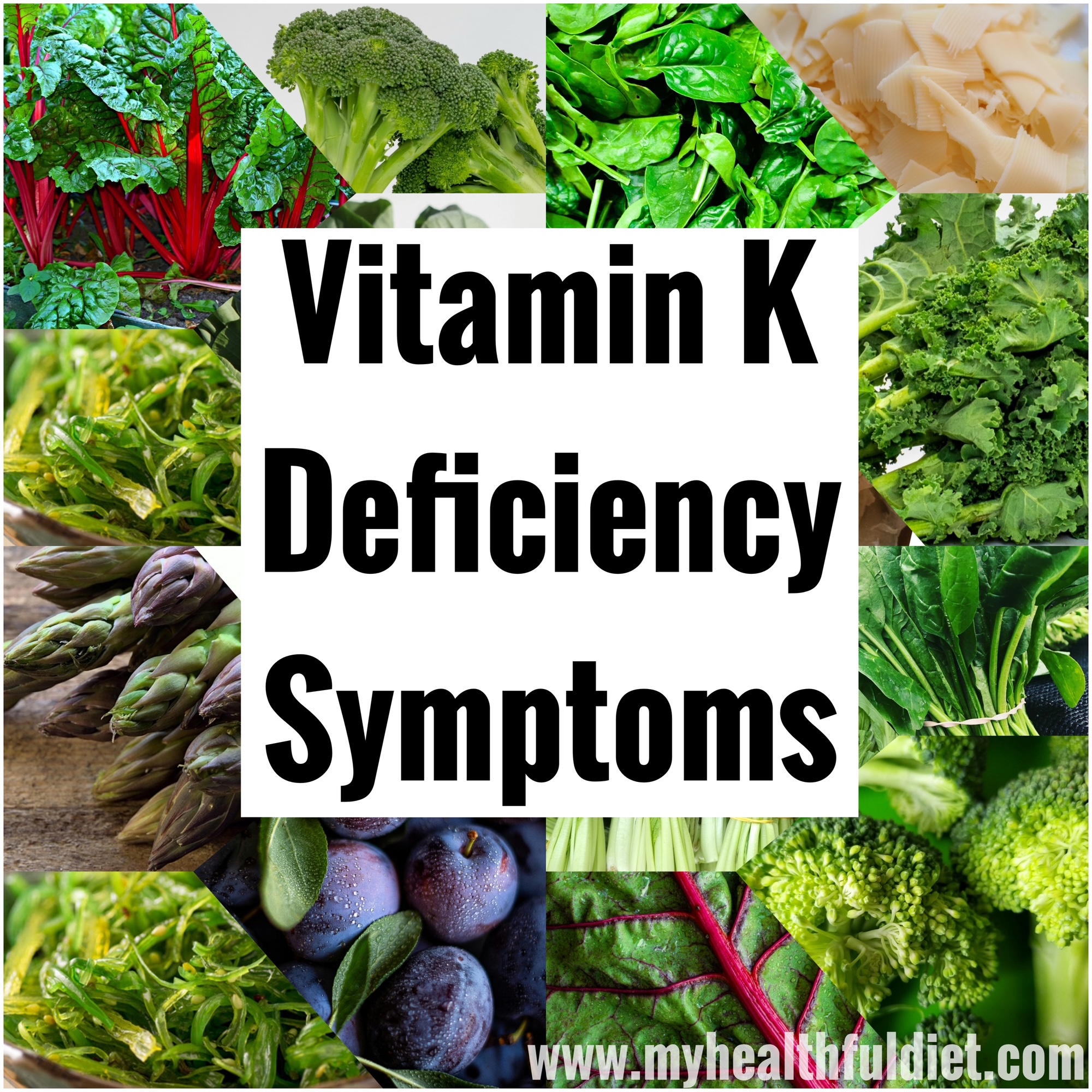
Preventing vitamin K deficiency involves consuming leafy greens, cruciferous vegetables, and fermented foods, along with a balanced diet to support overall health.


Click “NEXT” Below For More:

NEXT: Top Foods Highest in Vitamin K



Related Links:
- Vitamin A Deficiency Symptoms
- Vitamin C Deficiency Symptoms
- Vitamin E Deficiency Symptoms
- Vitamin B12 Deficiency Symptoms
- Vitamin D Deficiency Symptoms
- 12 Biotin Deficiency Symptoms
- 15 Probiotics Deficiency Symptoms
- Phosphorus Deficiency Symptoms
- Vitamin K Rich Foods
- Potassium Deficiency Symptoms
- Magnesium Deficiency Symptoms🫘
- Protein Deficiency: Signs and Symptoms
- 13 Folic Acid Deficiency Symptoms
- 12 Iron Deficiency Symptoms
- Calcium Deficiency Symptoms
- 10 Iodine Deficiency Symptoms🦪
- Zinc Deficiency Symptoms
- Vitamin K Rich Foods
- Vitamin A, Calcium And Nail Health
- 10 Facts About Vitamin A
- 7 Facts About Vitamin K
- Consume a Wide Variety of Fruits and Veggies
- 10 Facts About Vitamin E
- Consume Vitamin A Rich Foods
- Hypertension: Symptoms, Signs and Prevention Tips
- Top Foods Rich in Vitamin C That You Can Include in Your Diet
- Top 17 Vitamin E Rich Foods
- Vitamin E Rich Foods
- 10 Facts About Vitamin C
- Vitamin A Rich Foods
- 10 Facts About Vitamin D
- Vitamin D & Fertility
- Top Vitamin A Rich Foods
- Top Foods to Boost Your Brain
- 10 Benefits of Vitamin B12
- Take a Vitamin & Mineral Supplement
- Cigarette Smoke And Vitamin C
- Take Multi-vitamin to Avoid Deficiencies
- Top 18 Vitamin C Rich Foods
- Vitamin C and Stress
- Top 16 Vitamin B12 Rich Foods
- Top 35 Foods for Healthy Digestion
- Top Foods to Boost Your Immune System
- Eat Fruits & Veggies
- 10 Facts about Calcium
- Foods Richest In Calcium
- Maintain Healthy Eyes And Tongue
- Top 15 Probiotic Foods
- Top Vitamin D Rich Foods
- Foods To Manage Type 2 Diabetes
- Top 9 Foods To Help Prevent Cancer
- Foods That Improve Digestion Naturally
- Constipation: Causes, Symptoms and Cure
- Add Vitamin C Rich Foods To Your Diet
- Vitamin C Benefits
- Lactose Intolerance: Signs and Symptoms
- Migraines: Causes, Symptoms and Cure
- Consume Natural Foods For a Healthy Bowel movement
- Causes And Symptoms Of Food Allergy
- 10 Health Benefits of Iron
- Methods To Prevent Breast Cancer
- Vitamin D And Sun Exposure
- Symptoms and Causes of Indigestion
- Papaya And Vitamin C
- Foods For Healthy Skin
- Heart Attacks: Causes, Symptoms and Prevention Tips
- Plant Based Diet for Beginners: A Complete Guide to Getting Started
- Your Diet is Not Complete without these 7 Nutrients
- Calcium And Bone Health
- Signs and Symptoms of Dehydration
- B Vitamins & Energy
- 9 Types of Intermittent Fasting
- 10 Benefits of Drinking Smoothies
- Top Foods for Healthy and Strong Bones
- Maximize Antioxidant Naturally
- Benefits of Eating Green Foods
- Add Green Foods To Your Diet
- Fill Your Plate With Fruits & Vegetables
- Top Foods for Hormone Balance
- Consume Healthy Fat For Brain & Eye Function
- Top Superfoods to Boost Immune System Naturally
- Top 10 Nutrients for Hair Growth and Thickness
- Stay Youthful
- Top Foods for Healthy and Strong teeth
- 8 Biotin Benefits for Hair
- Top 43 Liver Cleansing Foods
- Add High Fiber Foods into Your Diet
- Top 30 Anti-Cancer Foods
- 20 Mood Boosting Foods
- 10 Benefits of Cabbage
- Top 20 Collagen Rich Foods
- 22 Food Combinations for Maximum Nutrient Absorption
- Top 36 Iron Rich Foods
- What Vitamins Should Vegetarians Take?
- What Are Vitamins?
- Top 20 Testosterone Boosting Foods
- Top Foods and Tips for Healthy Skin
- Should You Take Vitamins?
- Top Foods and Tips for Healthy Eyes
- 7 Biotin Benefits for Skin