The Ultimate Guide to Eating Clean

 Eating clean isn’t just another trend, and it’s definitely not some kind of punishment or quick fix before swimsuit season. At its core, clean eating means picking real food—stuff that hasn’t been messed with much—so your body gets what it actually needs. Forget strict rules. It’s really about making thoughtful choices every day. When you stick with it, eating clean just becomes part of your life. You’ll notice you’ve got more energy, your stomach feels better, your mind’s sharper, and honestly, you just feel good overall.
But let’s be real: with all the processed snacks out there, sneaky food labels, and all sorts of mixed-up nutrition advice, figuring out how to eat clean can get confusing fast. That’s why this guide keeps things simple and straight to the point. You’ll learn how to make smarter choices—without stressing over every single meal.
What Eating Clean Really Means
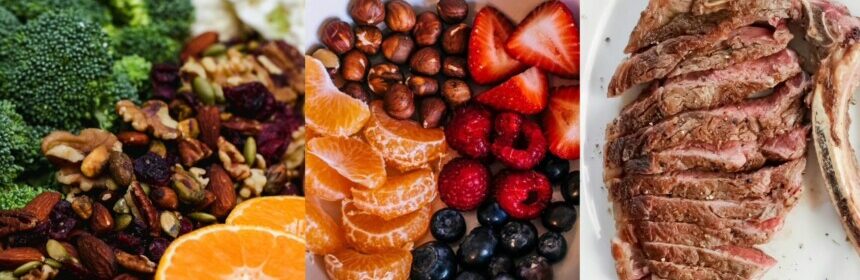
Eating clean is really about sticking to foods that are as close to their natural state as possible. So, load up on fresh veggies and fruits, whole grains, good proteins, healthy fats, nuts, seeds, and legumes. All that stuff packs your diet with fiber, vitamins, antioxidants—basically, the things your body actually needs to run well.
On the flip side, steer clear of foods that are super processed—stuff loaded with added sugar, refined grains, fake flavors, preservatives, or unhealthy fats. Clean eating doesn’t mean you have to ditch entire food groups or start calling certain foods “good” or “bad.” It’s more about paying attention. Know where your food comes from and what it does for you.
Bottom line: if it looks pretty much like it did when it grew or was made, it probably fits the clean eating vibe.
Why Eating Clean Matters
Your body runs on what you feed it. When you stick to whole, nutrient-packed foods, your energy stays steady, your hormones stay balanced, and your blood sugar doesn’t spike and crash all day. Plus, eating like this keeps inflammation down—something that matters if you care about your heart, your blood sugar, or avoiding those stubborn autoimmune issues.
Switching to cleaner eating isn’t just some abstract health advice. People actually notice real changes: more energy, smoother digestion, clearer skin, better sleep, and way fewer junk food cravings. That’s your body finally getting what it needs, not fighting off weird additives or excess sugar.
Now, processed foods are a different story. They’re designed to taste great and last forever, not to nourish you. Sure, they’re quick, but they mess with your natural hunger cues and make it easier to overeat. Eating real food helps you listen to your body again and build a healthier, more natural relationship with what’s on your plate.
Building a Clean Eating Foundation
Clean eating really starts at home, right in your kitchen. When you fill your pantry and fridge with real, whole ingredients, it just gets easier to make good choices without even thinking about it.
Veggies should take center stage on your plate. Think leafy greens, broccoli, carrots, beets—just a mix of colors and types. They pack in all sorts of nutrients your body needs. Try to cover at least half your plate with them most of the time.
Protein matters, too. Go for eggs, chicken, fish, lean meats, tofu, tempeh, beans, or lentils. It’s not just about the type—quality counts. If you can, pick proteins that are responsibly raised or wild-caught. Protein keeps your muscles strong, your blood sugar steady, and helps you feel full.
Don’t forget whole grains. Quinoa, brown rice, oats, and farro stick with you longer and have more nutrients than the processed stuff. They’ve got all the fiber and good stuff because they keep their bran and germ.
And let’s talk about fats—healthy ones are actually good for you. Avocados, olive oil, nuts, seeds, and fatty fish all give your brain and hormones what they need. The trick is to stick with natural sources and skip those heavily processed oils.




Understanding Food Labels
Clean eating really comes down to paying attention to food labels. Brands love to throw around words that sound healthy, but that doesn’t always mean the food’s actually good for you.
So, flip that package over and check the ingredients. They’re listed from most to least by weight. If you see sugar or refined flour right at the top, that’s a sign to put it back. The shorter the ingredient list — and the more you recognize — the better.
Watch out for added sugars hiding under different names: cane syrup, corn syrup, maltose, dextrose, fruit juice concentrate. Sometimes even foods labeled “natural” or “organic” are loaded with sugar.
Salt’s another sneaky one. Packaged soups, sauces, snacks — they’re often packed with sodium. Sure, your body needs a little, but too much salt can push up your blood pressure.
Don’t stress about reading labels perfectly. Just taking a quick look helps you make smarter choices.
Clean Eating on a Budget
A lot of people think eating clean has to cost a fortune. That’s just not true. Sure, those specialty health foods can get expensive, but sticking to clean basics is actually pretty affordable.
Seasonal fruits and veggies? They usually cost less, and honestly, they taste way better. Don’t sleep on frozen produce either. It’s picked when it’s ripe and keeps most of its nutrients, so you’re not missing out.
Staples like beans, lentils, rice, and oats—those are cheap and packed with nutrition. If you buy them in bulk, you save even more, especially on grains and legumes.
Planning your meals makes a big difference. It helps you avoid those last-minute splurges and keeps food waste down. And honestly, just cooking at home more often is one of the easiest ways to eat clean without draining your wallet.
Meal Preparation Without the Stress
You don’t need to spend hours cooking to eat well. Meal prep is really just about setting yourself up so healthy choices are a no-brainer, even when life gets hectic.
Maybe you roast a tray of veggies and grill some chicken to use in lunches and dinners. Or you make a big pot of soup or chili that’ll cover you for a few days. Honestly, just washing and chopping veggies ahead of time makes grabbing something healthy way easier.
The point isn’t to nail everything perfectly—it’s to stick with it. Prep a few basics each week, and suddenly putting together a good meal takes almost no effort.
Eating Clean in Social Settings
Clean eating’s supposed to make your life better, not box you in. You still get to enjoy dinners out, parties, family get-togethers—that’s all part of living well.
When you’re out, stick with meals that focus on lean protein and veggies. Get sauces on the side if you want, and pick grilled, baked, or steamed options when you can. No need to grill the server about every last ingredient or stress over the menu. Just do your best with what’s there and don’t overthink it.
And if you decide to treat yourself once in a while, that’s totally fine. Clean eating is about your habits, not one meal. One splurge won’t wipe out your progress. Leave the guilt behind—it doesn’t belong at the table.
The Mental Side of Clean Eating
Eating clean definitely helps your body, but your mindset is just as important. Getting hung up on making every bite “perfect” just adds stress you don’t need. It’s all about balance.
Try thinking less about what you can’t have and more about what actually makes you feel good. Pay attention to how different foods affect your energy, mood, digestion, or even how well you get through your day. That kind of awareness? It keeps you motivated from the inside out.
Don’t forget water. Staying hydrated helps your digestion, keeps your blood moving, and lets your body flush out what it doesn’t need. Sometimes when you feel tired or start craving snacks, you’re just thirsty, not hungry.
And honestly, food isn’t everything. If you’re stressed out all the time or barely sleeping, even the cleanest diet won’t do the trick. Real health comes from looking at the whole picture. Clean eating works best when it’s just one part of a bigger approach to taking care of yourself.
Transitioning to Clean Eating Gradually
You don’t need to change everything at once. Small steps stick better anyway.
Try tossing some extra veggies into whatever you’re already eating. Switch out soda for water or herbal tea. Go for whole grains instead of the white stuff. Grab a piece of fruit if you want a snack, not a bag of chips.
Pretty soon, your cravings for junk food start to fade. The body catches on fast when you feed it real food.
Don’t stress if you have an off day or your meals aren’t perfect. Progress zigzags. The important thing is you’re heading the right way.
Common Myths About Eating Clean
Some people mix up clean eating with strict diets or harsh rules, but honestly, it’s way more flexible than that. You don’t have to give up gluten, dairy, or carbs unless your doctor tells you to.
Another thing—clean eating isn’t some magic ticket to weight loss. Sure, some people notice their weight shifts naturally, but the real point is to feel better and get healthier. When you feed your body what it needs, it usually figures things out on its own.
And you definitely don’t have to be perfect. Trying to eat perfectly all the time just burns people out. Most people find that sticking to healthy choices most of the time and letting themselves enjoy treats now and then—the classic 80/20 rule—actually works best.
Long-Term Benefits of Eating Clean
Stick with clean eating long enough and you’ll notice real changes. You start to feel better, your heart works a little easier, your mind feels sharper, and your weight settles into a healthier place. These benefits stack up over time.
But honestly, the best part? You start trusting your body. You figure out when you’re really hungry, when you’ve had enough, and which foods actually make you feel good. Eating stops being a source of stress and turns into something you actually enjoy.
Clean eating isn’t about jumping on the latest trend or following a bunch of strict rules. It’s just about going back to basics—real food, simple prep, and paying attention while you eat.
Final Thoughts
Eating clean doesn’t need to be complicated. Honestly, it’s just about getting back to basics. Choose whole foods. Cook at home when you can. Take a look at what’s actually in your food. Drink enough water. And stick with it—forget about being perfect.
When you pay attention and find a balance, clean eating just clicks. You feel it, not just in your body, but in your mind too. Energy goes up. Clarity improves. You don’t have to overhaul your life overnight, either. Start right where you are. Make a few small changes, let yourself grow into it. Those little choices you make every day? They add up, and before you know it, you’ve built something that lasts.