How to Create a Healthy Meal Plan for Weight Loss

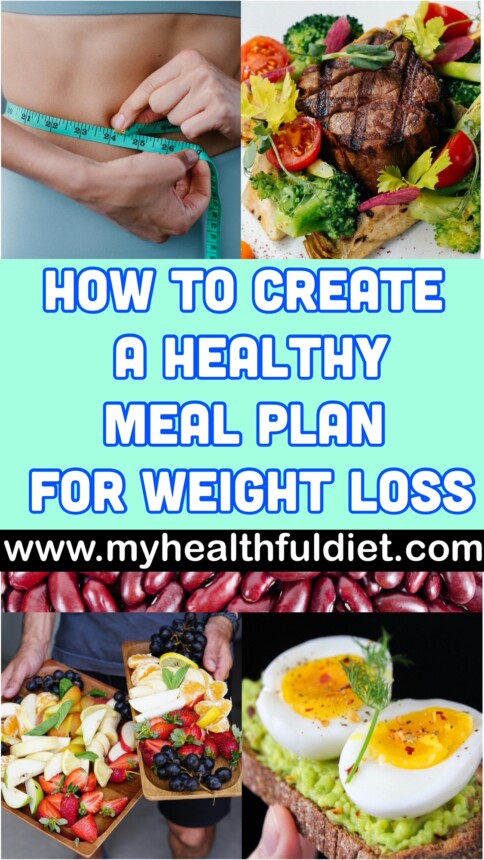 You don’t need to follow a bunch of strict rules or cut out all your favorite foods to lose weight. It’s really about finding an eating routine you can actually stick with—something that fits your life, not someone else’s. People often think they have to go all-in on a fad diet or ban entire food groups, but honestly, that just makes things harder in the long run. The real secret? Balance, consistency, and habits that don’t feel like a punishment.
Weight loss boils down to one thing: eating fewer calories than you burn. But here’s the thing—where those calories come from matters. Some foods keep you full and your energy steady, while others leave you hungry or sluggish. A healthy meal plan prioritizes nutrient-dense foods that support your metabolism, energy levels, and overall well-being while helping you stay in a calorie deficit without feeling deprived.
Start by figuring out how many calories you actually need each day. That number changes based on your age, how active you are, and body composition. Don’t try to make huge cuts right away. Aim for a moderate calorie deficit instead. If you cut too much, your body slows down, you’ll constantly feel hungry, and odds are, you’ll give up before you see results. Slow and steady really does win the race when it comes to sustainable weight loss.
Once you have a general idea of your calorie target, pay attention to what you’re actually eating. A solid meal plan balances protein, carbs, and healthy fats. Protein matters a lot—it helps you hang on to muscle and keeps you full longer. Seriously, just adding some protein to every meal can make a big difference in staying satisfied throughout the day.
Carbs get blamed for all sorts of things, but they give you energy, and you need them. The trick is picking smarter carbs. Whole grains, fruits, and vegetables are packed with fiber. Fiber not only helps your digestion, but it also fills you up and keeps you from reaching for extra snacks. Foods high in fiber take longer to digest, so you stay full and are less likely to overeat.

Don’t skip out on healthy fats—they really matter. Foods like avocados, nuts, seeds, and olive oil actually help you feel full and keep your body running smoothly. When you add just the right amount of these fats to your meals, they taste better, keep you satisfied, and make it way easier to stick to your eating habits.
Planning your meals ahead is a game changer. When you have a rough idea of what you’ll eat, you’re less likely to grab whatever’s around when you’re hungry or tired. You don’t have to prep every bite days ahead, but just setting a basic plan for your day keeps you on track.
Try keeping things simple with three good meals a day, plus a snack or two if you need it. Make sure each meal has some protein, plenty of fruits or veggies, and just the right amount of carbs and fats. That’s usually enough to keep your energy levels stable and helps prevent extreme hunger, which often leads to overeating.
Portion control really matters. You can eat all the “healthy” foods you want, but too much is still too much. When you pay attention to how much you serve yourself, you stay on track with your calories without stressing over every little detail. With some practice, you start to notice what your body actually needs—not just what looks good on your plate.
Drinking enough water is a bigger deal than people give it credit for. Staying hydrated boosts your energy, helps with digestion, and keeps your appetite in check. Honestly, a lot of times when you think you’re hungry, you’re just thirsty. If you get used to drinking water throughout the day, you dodge a lot of unnecessary snacking.
Flexibility is essential when building a meal plan. If you try to follow something too strict, it just gets frustrating. Let yourself have a treat now and then or swap things around when life gets messy. The point isn’t to be perfect—it’s to keep going. If one meal goes off-plan, don’t sweat it. That’s just life. Keep moving forward.
Timing really matters. There’s no magic eating schedule that works for everyone, but spreading your meals out through the day keeps your hunger in check and your energy steady. Skipping meals might seem like an easy way to cut calories, but it usually makes you crave more food and leads to overeating later on.
Think about your daily routine when you put together a meal plan. If you’re always on the go, quick and easy meals are the way to go. If you love being in the kitchen, mix things up and try new homemade dishes. The best meal plan is something that fits smoothly into your life, not one that makes you constantly rearrange everything.
Sticking to a routine actually matters more than trying to get fancy. You don’t need piles of complicated recipes—most people have better luck when they just repeat a few simple meals they actually like. It cuts down on decisions and makes shopping and cooking a whole lot easier.
Pay attention to how your body reacts. What works for your friend might not do the trick for you, and that’s totally normal. If you notice that certain meals leave you feeling hungry or low on energy, you can adjust the balance of nutrients. Building a meal plan is an ongoing process that evolves based on your needs and preferences.
Eating mindfully really helps. Slow down, actually notice when you’re hungry or full, and try to eat without a bunch of distractions. When you tune in, you’ll realize when you’re satisfied, which makes sticking to reasonable portions so much easier.
Don’t forget about sleep and stress. People skip over these, but they’re deeply tied to losing weight. Bad sleep and constant stress mess with the hormones that control hunger and cravings. Even the most perfect meal plan gets hard to follow if you’re exhausted or stressed out and your body keeps begging for more food.
Tracking your progress isn’t just about stepping onto a scale every morning. Sometimes, you notice changes in how your clothes fit, or you feel more energetic, or you realize you’re sticking to your meals more consistently—those are real signs you’re moving forward. Honestly, these little wins can say a lot more than numbers ever will.
Eventually, sticking to a healthy meal plan feels less like following rules and more like just eating in a way that makes sense for you. You’re not just after quick results; you’re building habits that help keep the weight off and boost your health over time. It’s the long game that matters here.
When you’re working out a meal plan for weight loss, you’re really searching for what fits your life. If you focus on nutrient-dense foods, keeping your portions in check, and sticking with your routines, you’ll see results that actually last. No need to overthink it—keep things simple and be ready to adjust as you go. That way, you end up with a plan that feels right for you, not something you dread.