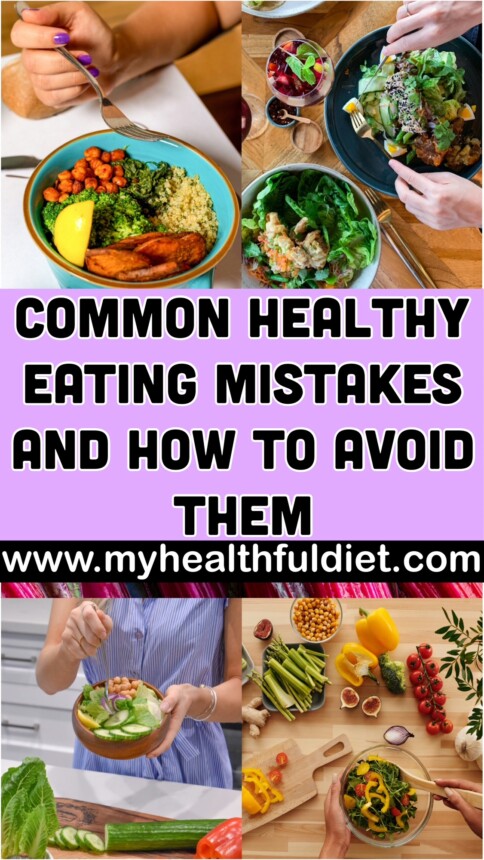
Common Healthy Eating Mistakes and How to Avoid Them

 Eating healthy sounds easy—just pick the right foods, right? But once you try to do it every day, it gets messy fast. There’s constant noise online: this diet, that superfood, carbs are bad, fat’s worse. It’s confusing, and it wears you down. A lot of people think they’re making smart choices, following “rules” they’ve picked up from somewhere, but it doesn’t really get them the results they want. Most of the time, the real issue isn’t that people aren’t trying—it’s that what counts as “healthy” in real life doesn’t always match what you hear or read.
One of the most common mistakes is relying too heavily on restrictive diets. Cutting out entire food groups might deliver quick results, but it rarely leads to long-term success. When you say goodbye to carbs, fat, or other big food groups—without a medical reason—your body misses out on nutrients it needs. Eventually, that can leave you tired, hungry, and frustrated. Sometimes you end up eating even more than before. Honestly, balance works better than strict rules. Instead of focusing on what to remove, it helps to pay attention to what you can add—think more veggies, whole grains, lean proteins, and good fats. That adds up to a healthier, more doable way to eat.
Another frequent issue is misunderstanding portion sizes. You can fill your plate with healthy foods all you want, but eating too much still slows your progress. Take nuts, avocados, or whole grains are packed with nutrients, but they are also calorie-dense. It’s easy to pile up way more than you actually need without noticing. You don’t have to obsess over every gram or measure everything, but paying attention is key. Honestly, learning to listen to your body—when you’re really hungry, and when you’ve had enough—helps way more than strictly counting calories.
Skipping meals is another classic mistake. Plenty of people assume that eating less often is some magic shortcut to losing weight or getting healthier.In reality, skipping meals often backfires. When the body goes too long without food, blood sugar levels drop, leading to intense hunger later on. This can result in overeating or choosing less nutritious, convenient options. Eating regularly, and sticking to balanced meals, keeps your energy steady and makes it easier to make good choices all day. So, consistency beats restriction every single time.

Another common mistake is putting too much trust in “healthy” packaged foods. Just because something says organic, low-fat, gluten-free, or high-protein on the label doesn’t mean it’s automatically good for you. The truth is, a lot of these products are still heavily processed and packed with added sugar, salt, or artificial stuff. The labels can distract you from the real nutritional picture. It’s smarter to stick with whole foods when you can and treat packaged foods as an occasional backup, not your daily default.
People also tend to overlook how much hydration matters. Food often gets all the attention, but water is just as important for keeping your energy up, helping you digest, and staying healthy in general. It’s easy to mistake thirst for hunger—so if you find yourself reaching for snacks, you might just be slightly dehydrated. Drinking enough water every day sets you up for better eating habits, and you don’t have to make drastic changes to see a difference.
Emotional eating is another challenge that is often overlooked. We turn to food for comfort, to take the edge off stress, or just because we’re hanging out with friends. Sometimes we’re not even hungry—we just want to feel better. That doesn’t make emotional eating bad, but when it’s the main way we cope, things can get messy fast. If you start paying attention to why you’re reaching for food, it changes things. Just taking a moment to ask, “Am I actually hungry or just stressed or bored?” helps build a better relationship with food over time.
Many people also fall into the trap of expecting perfection. They’ll think one slip-up, like a donut or a bag of chips, wipes out all their progress. That all-or-nothing thinking usually leads to swinging between strict diets and bingeing. Honestly, it’s consistency that counts—not perfection. One treat isn’t going to wreck your health. It’s the habits you build week after week that matter, not the occasional dessert or big meal.
People often overlook how much preparation matters. Without a plan, eating healthy gets tough fast. Busy schedules, unexpected events, and limited options can push people toward fast food or highly processed meals. That’s not a problem with willpower—it’s just a lack of prep. If you take a few minutes to plan meals, stock up on easy-to-use ingredients, and think ahead about busy days can make healthy choices far more accessible.
Protein intake is another area where confusion often arises. Some don’t get enough protein—especially for breakfast or lunch—which leaves them hungry and reaching for snacks later. Others swing the other way and get so obsessed with protein that they ignore everything else their body needs. Balance is the real trick here. If you include a reasonable amount of protein with each meal, you’ll feel fuller, cover your nutrition basics, and avoid letting any one food group take over.
Here’s something a lot of people overlook: eating way too fast. Life gets hectic—so meals end up rushed, maybe eaten in front of a laptop, or gobbled down while moving. When you eat fast, your body doesn’t get the chance to tell you you’re full, so you just keep going and accidentally overeat. Just slowing down a bit helps your digestion and makes it easier to notice when you’ve had enough. You don’t have to change your whole routine, really. Just being more aware when you eat can make a big difference.
Then there’s the whole social side of eating. Friends, family, and cultural norms can affect what and how much people eat, sometimes without them realizing it. Hanging out and connecting with people matters, but sometimes you end up making choices that don’t fit your health goals. It helps to find a middle ground—enjoy those social moments, but stay tuned in to what you need. This might mean making small adjustments rather than completely avoiding social situations.
Finally, one of the biggest mistakes is chasing trends instead of building sustainable habits. Every week, there’s a new diet, some magical superfood, or a trendy way to eat, all promising quick results. Sure, a few of these trends are worth paying attention to, but jumping from one thing to another just gets confusing and isn’t sustainable. Real, lasting health comes from simple habits you stick with—like eating balanced meals, staying consistent, and making mindful choices. That’s way more effective than following every new trend.
You don’t need superhuman willpower or a list of strict rules to avoid these common mistakes. The real trick is just staying aware, keeping things balanced, and sticking with it over time. Eating healthy isn’t about chasing perfection or policing yourself. It’s about building habits you can actually keep going—day in, day out. When you stop stressing about quick fixes and focus on choices you can live with, everything just gets easier, and honestly, it feels a lot better.
At the end of the day, eating “healthy” isn’t just about hitting some mark on a chart, but to develop a way of eating that supports both physical health and overall well-being. Spotting these common problems and adjusting your approach can make nutrition fit naturally into your daily routine—for good.