The Importance of Regular Exercise for Long Term Health

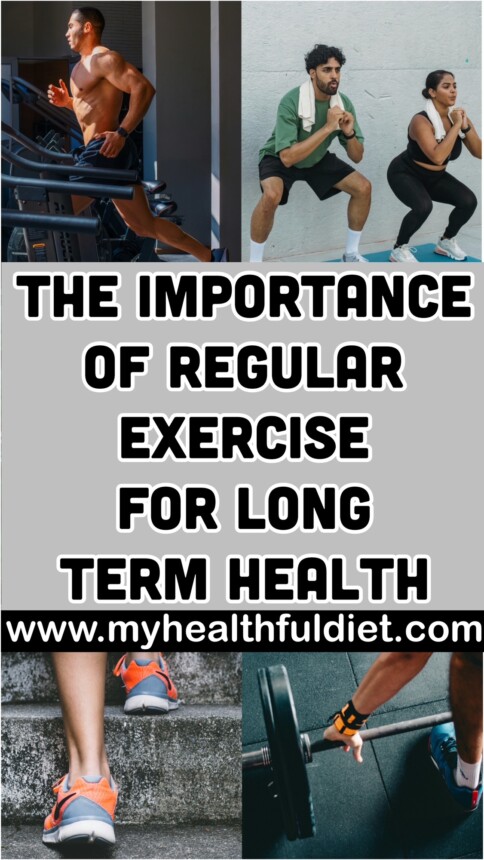 People talk about exercise like it’s just about losing weight or looking good, but honestly, there’s way more to it than that. At its core, consistent physical activity is one of the most powerful tools we have to support long-term health, prevent chronic disease, and improve overall quality of life. While modern lifestyles tend to encourage inactivity, the human body is designed to move. Once you really get why exercise matters—and how it impacts the body over time—it’s easier to see it as something you do as a lifelong habit, not just a quick fix.
Right away, one of the biggest benefits you’ll notice is your heart getting stronger. The heart is a muscle, so when you use it more, it gets tougher and works more efficiently. When you exercise, your heart can pump blood with less effort, which takes stress off your arteries. That leads to lower blood pressure, better circulation, and a lower chance of getting heart disease or having a stroke. These are some of the top killers out there, but here’s the thing: staying active and building healthier routines can really help prevent them.
Exercise is not just about burning calories—it’s a big part of keeping your metabolism running smoothly and helping you stay at a healthy weight. Sure, what you eat matters, but being active lets your body use energy better. It actually boosts your insulin sensitivity, so your blood sugar stays under control. That is huge for preventing and dealing with type 2 diabetes. Beyond that, regular movement supports the balance of hormones related to hunger and satiety, making it easier to maintain a stable weight without extreme dieting or restrictive habits.
Now, let’s talk about muscles and bones. As you get older, your muscle mass drops and your bones get weaker—that’s just the way things go unless you do something about it. If you skip strength training or don’t do enough weight-bearing exercise, you’re more likely to feel weak, lose mobility, and face fractures. Lifting weights or even simple activities like walking can turn that around. They kickstart bone growth and keep your muscles strong, which is super important for everyday stuff like carrying groceries, walking up stairs, and staying steady on your feet. Over time, this contributes to greater independence and a lower risk of injury, particularly in older adults.

Exercise works wonders for mental health, both immediate and long-lasting. Physical activity triggers the release of endorphins, often referred to as “feel-good” chemicals in the brain. They’re great at easing stress, anxiety, and even some symptoms of depression. You’ll also sleep better, which makes a huge difference for your mood and overall outlook. People who make exercise a habit usually feel more clear-headed, more adaptable when things get tough, and better equipped to handle whatever comes their way. Stick with it, and you can see lasting improvements in both your mental health and the way your brain works.
There’s a growing buzz around how exercise helps your brain, too. Research shows that staying active sharpens memory, improves focus, and helps you process information faster. It boosts blood flow to the brain and encourages new connections between brain cells. Over time, that adds up—it can even lower the risk of cognitive decline and diseases like dementia. Exercise is not a magical shield, but it’s one of the simplest and most powerful ways to keep your mind healthy as the years pass.
Consistency is where many people struggle. Starting a new workout usually feels exciting at first, but that motivation fades fast. It happens because lots of us set wild expectations or map out routines that are just too rigid. Real, lasting exercise habits actually grow out of some flexibility and, honestly, a little bit of fun. If you find ways to move that you actually enjoy—walking, biking, swimming, lifting weights—you’re way more likely to keep doing them. The whole point isn’t to push yourself to the edge; it’s to build a routine that feels like a natural part of your day.
And you know what? Your workouts don’t need to be extreme to make a difference. Doing something consistently, even at a moderate pace, helps your health in a big way. Taking the stairs, going for a walk every day, stretching in the morning—little things like that add up. The real trick is getting off the couch more often and making movement just another part of life. For most people, the biggest changes come from steady, small steps, not major overhauls.
One thing people don’t talk about enough is how regular activity helps you live longer and better. Study after study says people who stay active don’t just add more years to their lives—they actually keep those years healthier and more independent. That’s what people call your “healthspan.” Exercise is not just about burning calories or building muscle; it keeps you moving, feeling lively, and able to do the things you love for years to come.
Getting active isn’t just about working your muscles—it’s a great way to build stronger connections with people, too. When you join a group workout, play a sport, or even just walk with a friend, you end up spending quality time together. You laugh, you cheer each other on, and that sense of belonging really starts to grow. Plus, when you have people around you, it’s easier to stay motivated. You show up because you know someone’s waiting for you, not just because you feel like you should get some exercise. In a world where a lot of people feel pretty isolated, mixing movement with time spent together can do wonders for your body and your mind.
But let’s be real: you don’t want to overdo it. There’s no medal for pushing through pain or ignoring what your body is telling you. If you don’t take time to rest, or you train too hard, you’re going to burn out—or worse, hurt yourself. It helps to pay attention, mix up your routine, and give yourself breaks when you need them. Real, lasting health isn’t some quick fix or all-or-nothing challenge; it’s about showing up, day after day, and keeping a steady pace.
And if you’re new to the whole exercise thing, it’s okay to feel a little intimidated at first. Just start small—seriously, even five minutes count. Set goals you know you can reach and try to stick with it. Don’t worry about going all out; with time, your confidence and stamina will grow, and you can always do more later. The main thing is to start—and, once you do, just keep moving forward.
Exercise is not some magic bullet or a quick fix. It’s more like the groundwork your whole body depends on. When you move your body regularly, you’re helping everything—from your heart and muscles to your brain and immune system—stay strong and adaptable. And it doesn’t work alone. Good food, plenty of sleep, and managing stress all have to come along for the ride if you want a truly solid base for staying healthy.
The real power of exercise is how it shapes your life, both in how long you live and how good those years actually feel. It puts the control back in your hands, letting you shape your future with the choices you make today. Sure, sometimes you don’t notice the effects right away, but the little things add up, changing you in ways you might only see years down the line. Stick with it every day, and you’re not just thinking about looking good or feeling okay right now—you’re betting on a better, fuller life ahead. Related Links: Click
 the Links Below to Learn More: