Top Foods for Hormone Balance

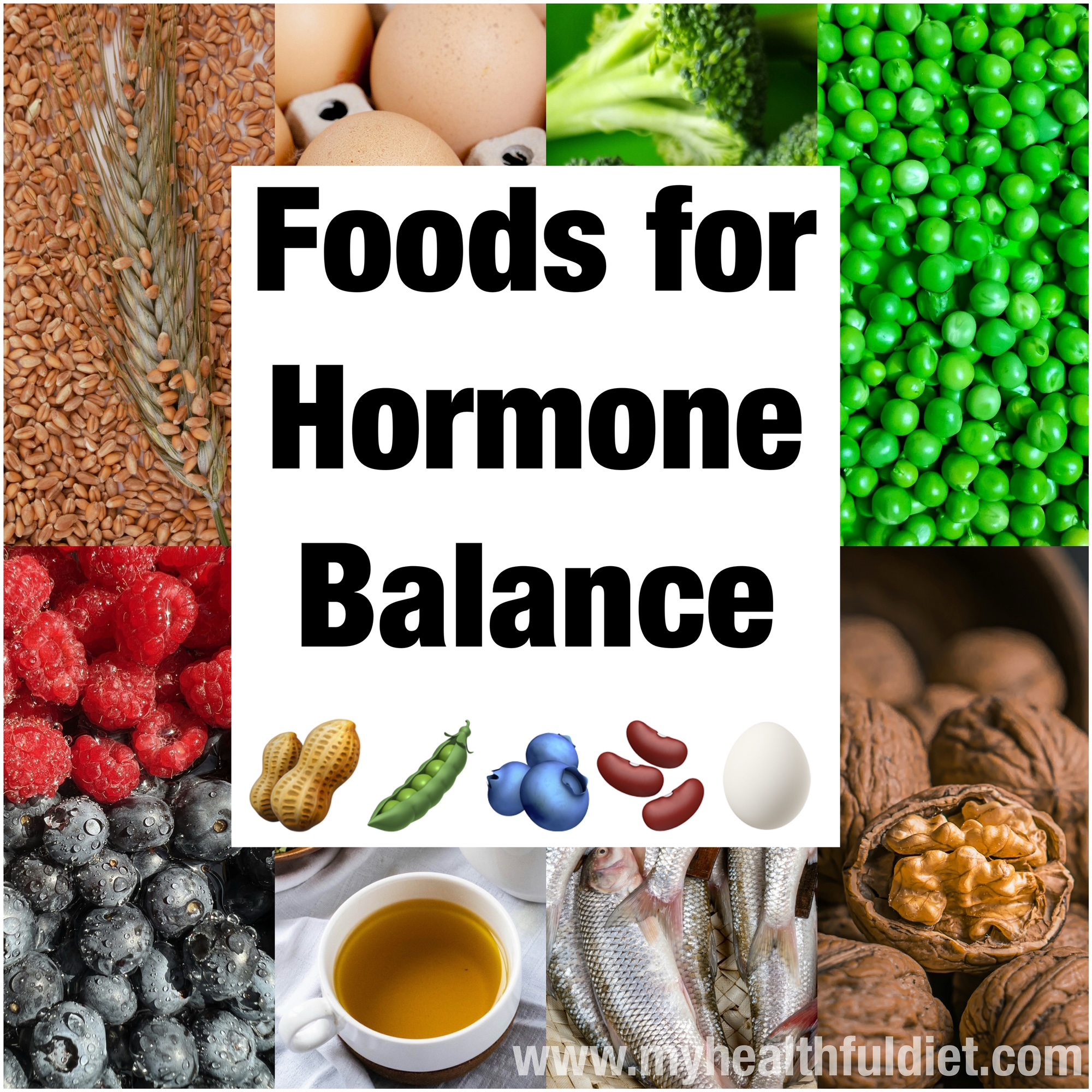
A healthy diet balances hormones by providing essential nutrients, reducing inflammation, and supporting metabolism, which contributes to overall well-being.





CLICK “NEXT” Below For More:

NEXT: Top 10 Nutrients for Hair Growth and Thickness

Related Links:
- Top 43 Liver Cleansing Foods
- Top 26 Calcium Rich Foods
- Top 20 Zinc Rich Foods
- Top 40 Heart Healthy Foods
- 20 Mood Boosting Foods
- Top 30 Healthy Fat Foods
- Top 34 Magnesium Rich Foods🥜
- 8 Biotin Benefits for Hair
- Top 18 Foods to Reduce Cortisol Levels
- Eat Beans & Lentils For Healthy Hair
- Top 30 Phosphorus Rich Foods
- Top 36 Iron Rich Foods
- Vitamin K Rich Foods
- Maintain A Healthy Balance Of Electrolytes
- Add Green Foods To Your Diet
- Top 30 Anti-Cancer Foods
- Top 24 Most Hydrating Foods
- Top 31 Anti-Aging Foods
- Top 10 Nutrients for Hair Growth and Thickness
- Top 35 Foods to Lower Cholesterol
- 10 Benefits of Zinc
- Top Foods and Tips for Healthy Skin
- Zinc And Healthy Hair
- 22 Healthy Foods to Boost Your Energy
- Top 35 Foods for Healthy Digestion
- 10 Benefits of Protein
- Foods That Help Lower Cholesterol
- Top 22 Anti-inflammatory Foods
- Top 16 Vitamin B12 Rich Foods
- Maintain A Healthy pH Balance In the Body
- Collagen Benefits for Hair
- 11 Iodine Rich Foods 🦐
- Top Vitamin A Rich Foods
- Top Foods for Healthy and Strong Bones
- 20 Benefits of Apple Cider Vinegar🍎
- Benefits of Eating Green Foods
- Top 13 Weight Loss Foods
- Top Foods to Boost Your Immune System
- Top Foods and Tips for Healthy Eyes
- Top 20 Testosterone Boosting Foods
- 7 Biotin Benefits for Skin
- How Does The Body Burn Fat?
- Top Foods for Blood Sugar Control
- Collagen Benefits for Skin
- Top Fat Burning Foods
- 10 Benefits of Iodine🍤
- Top 17 Vitamin E Rich Foods
- Avoid Processed Foods To Maximize Health
- Top Foods For Healthy Hair
- Top Foods That Boost Your Metabolism Naturally
- 10 Health Benefits of Asparagus
- Benefits of B vitamins
- Vitamin E Rich Foods
- Top 15 Probiotic Foods
- Vitamin A Rich Foods
- Top Foods Highest in Vitamin K
- 10 Benefits of Mangosteen
- Eat Organic Foods Whenever Possible
- Top 9 Whole Grain Foods You Must Eat
- Choose a Healthy Meat
- Top Foods for Healthy and Strong teeth
- Nutrient Rich Foods You Should Be Eating
- Boost Your Metabolism With Green Tea
- Top Foods and Tips for Muscle Building
- Top 20 Collagen Rich Foods
- Eat Garlic To Decrease Cancer Risk
- Top Foods to Lower High Blood Pressure
- 10 Benefits of Jackfruit
- Top 10 Anti-Bloat Foods
- 13 Foods to Help you Lose Weight
- Consume Vitamin A Rich Foods
- 10 Benefits of Phosphorus
- 10 Benefits of Coconut
- Eat Organic Foods To Compensate For The Decline Of Nutrients
- Reasons to Eat Organic Foods
- 10 Benefits of Celery
- Nutrients For Healthy Eyes
- Fuel Your Brain With Breakfast
- 10 Benefits of a Balanced Diet
- Healthy Diet And Energy Levels
- 10 Benefits of Radish
- Top 9 Foods To Help Prevent Cancer
- Consume A Variety of Fish and Shell Fish
- Consume Natural Foods For a Healthy Bowel movement
- Top Vitamin D Rich Foods
- 36 Protein Rich Plant Foods
- Your Diet is Not Complete without these 7 Nutrients
- 10 Benefits of Aloe Vera
- 10 Benefits of Cucumber
- 10 Benefits of Salmon
- Top 18 Vitamin C Rich Foods
- 10 Benefits of Eggs🥚
- Improve Your Health With Organic Foods
- Foods Richest In Calcium
- 5 Foods to Eat for Better Sleep
- Top Foods to Boost Your Brain
- Consume Berries To Prevent Dementia
- 10 Foods to Enlist in the Fight Against Diabetes
- 10 Benefits of Sesame Seeds
- 10 Benefits of Probiotics