12 Iron Deficiency Symptoms

12 Iron Deficiency Symptoms

Iron-rich food is important because iron helps make hemoglobin, which carries oxygen in the blood. It supports energy, brain function, immunity, and healthy growth and development.Iron deficiency can lead to a variety of symptoms that may affect overall health and well-being. Here are some common symptoms associated with iron deficiency:
General Symptoms of Iron Deficiency:

1. Fatigue and Weakness: A lack of iron can lead to decreased oxygen delivery to tissues, resulting in overall tiredness and reduced physical stamina.

2. Pale Skin: Reduced hemoglobin levels can cause a noticeable paleness of the skin or mucous membranes.


3. Shortness of Breath: Individuals may experience difficulty breathing during physical activities due to reduced oxygen transport.

4. Dizziness or Lightheadedness: Low iron levels can affect blood circulation and lead to feelings of dizziness or fainting.

Specific Symptoms of Iron Deficiency:

5. Chest Pain: Severe iron deficiency may lead to chest pain, particularly in those with pre-existing heart conditions.

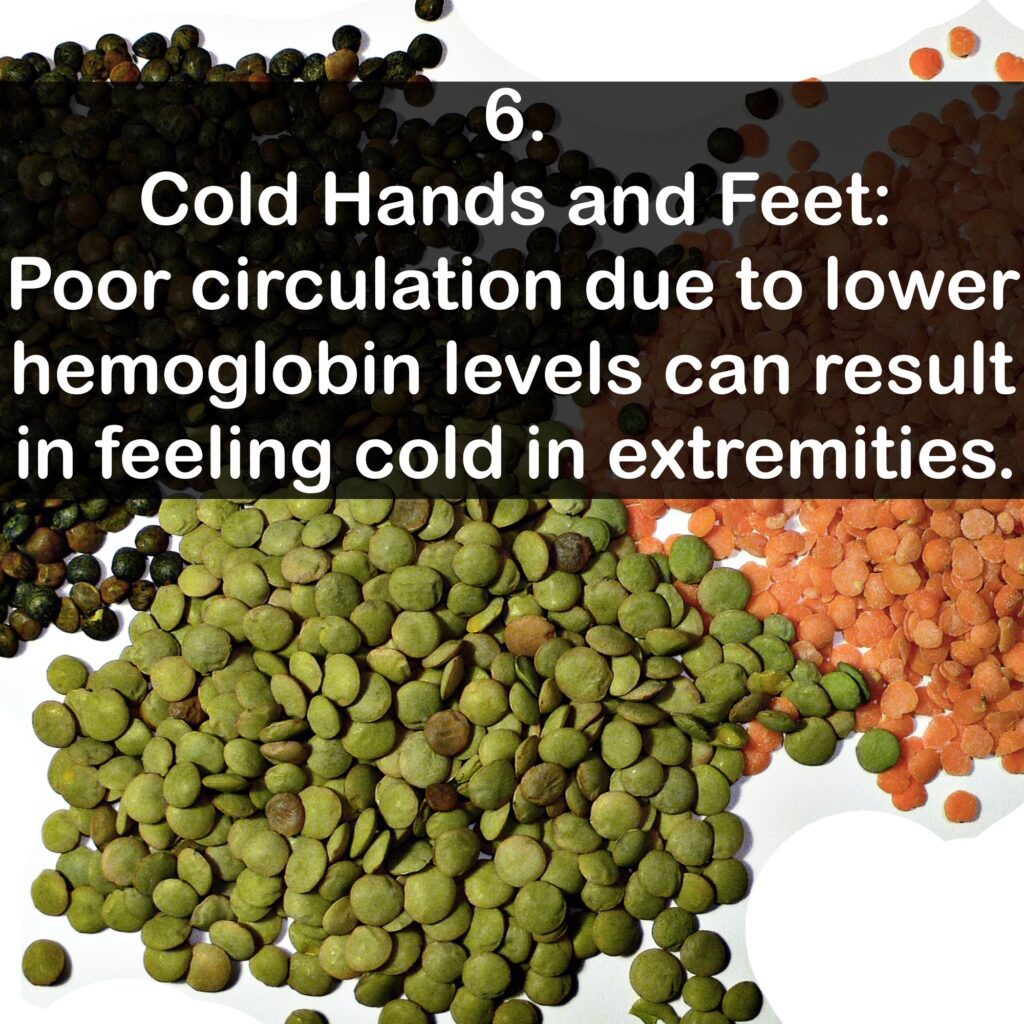
6. Cold Hands and Feet: Poor circulation due to lower hemoglobin levels can result in feeling cold in extremities.

7. Headaches: Reduced oxygen flow to the brain can result in frequent headaches or migraines.

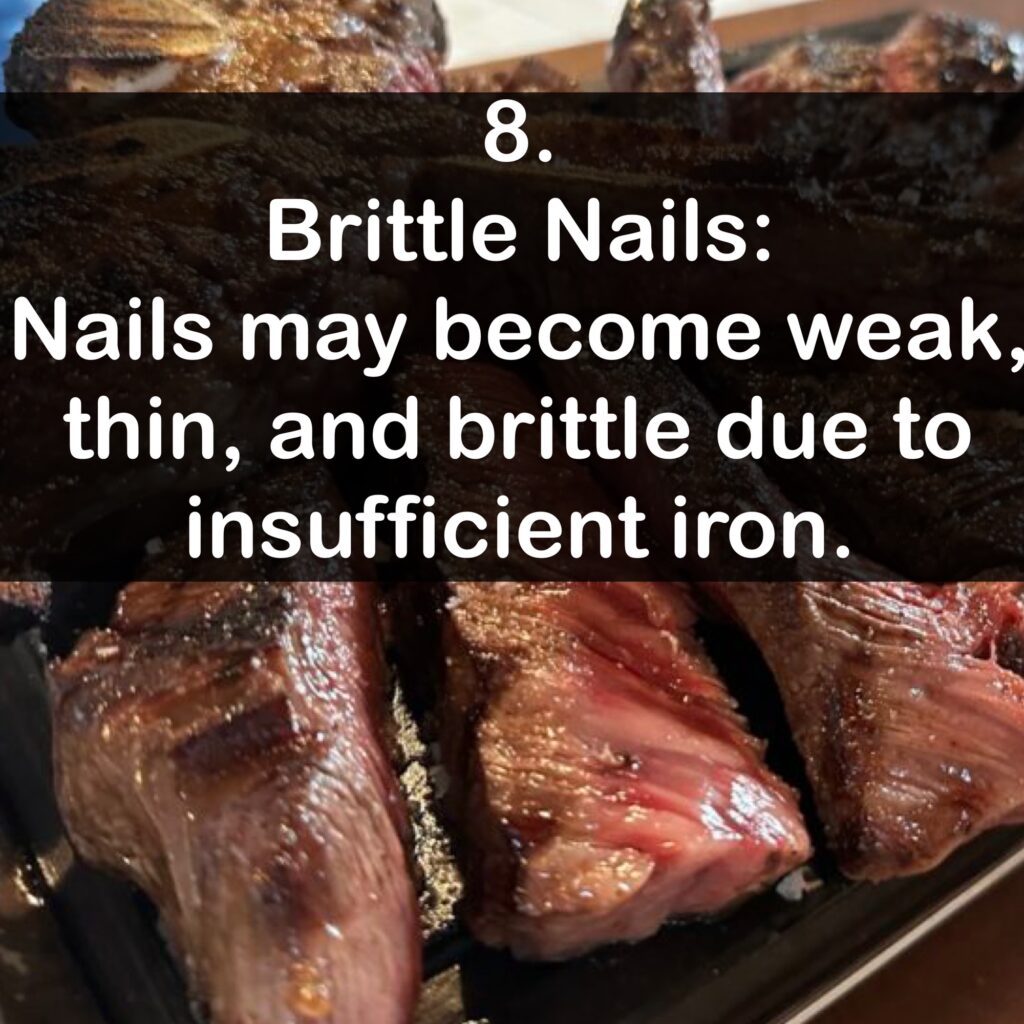
8. Brittle Nails: Nails may become weak, thin, and brittle due to insufficient iron.

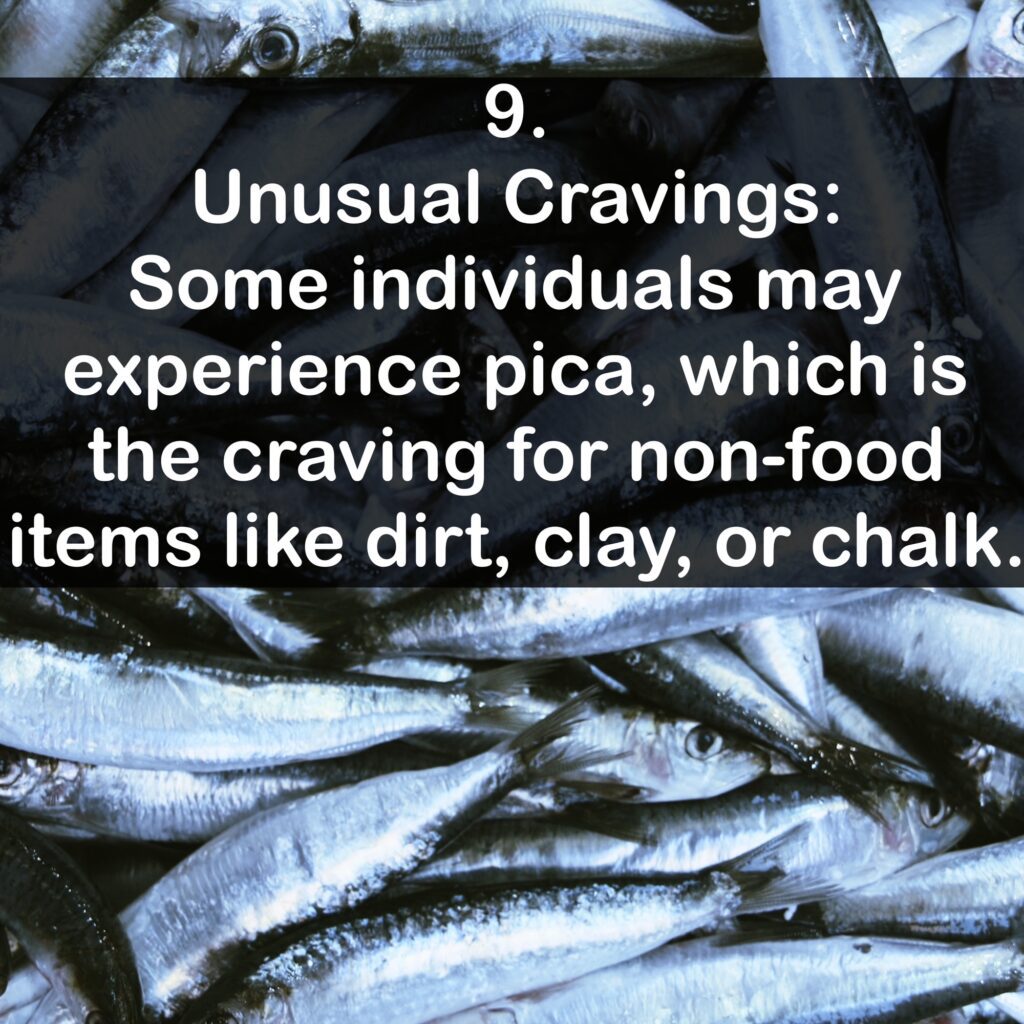
9. Unusual Cravings: Some individuals may experience pica, which is the craving for non-food items like dirt, clay, or chalk.

Other Symptoms of Iron Deficiency:

10. Restless Legs Syndrome: Some people with iron deficiency may experience an uncontrollable urge to move their legs, particularly during rest.

11. Heart Palpitations: The heart may work harder to move oxygen-rich blood through the body, leading to irregular heartbeats.

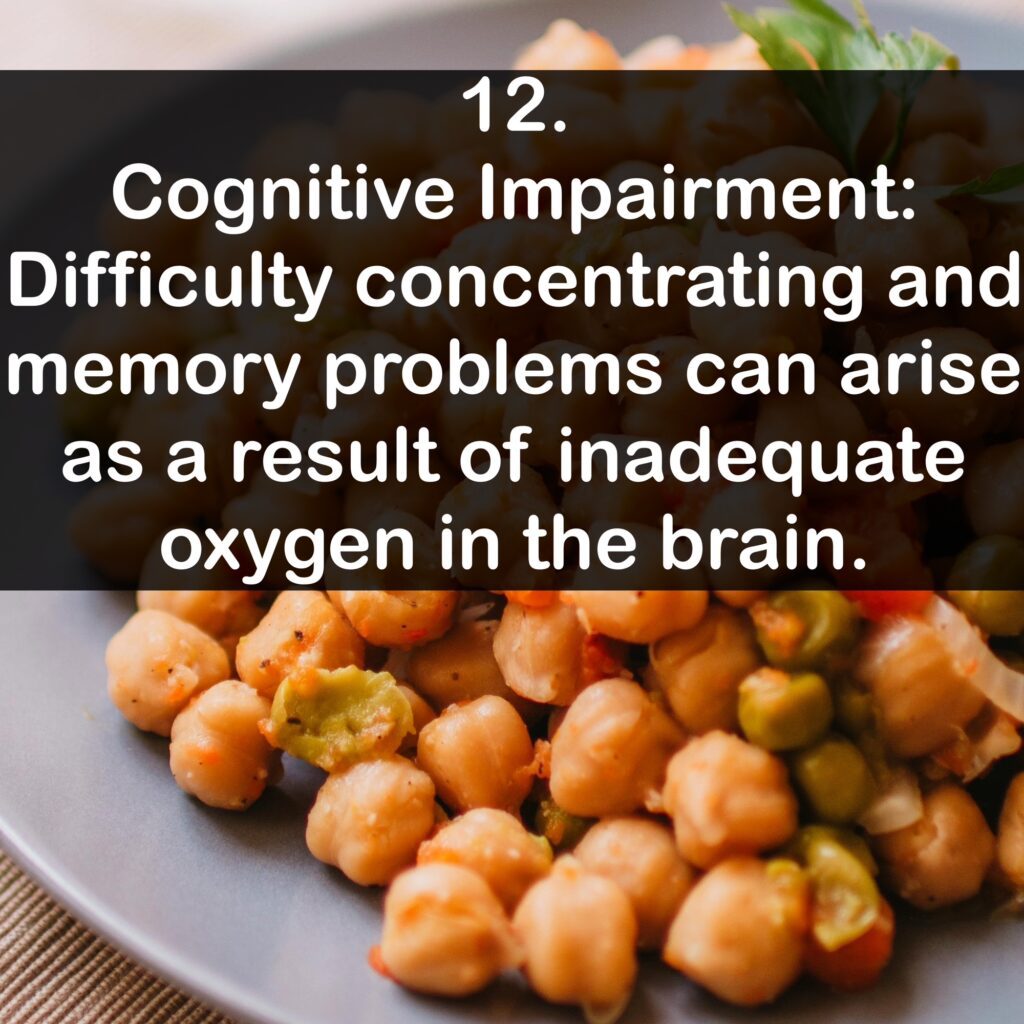
12. Cognitive Impairment: Difficulty concentrating and memory problems can arise as a result of inadequate oxygen in the brain.

Severe Symptoms of Iron Deficiency:

In more severe cases, iron deficiency can lead to iron-deficiency anemia, which may present with intense versions of the above symptoms and requires medical evaluation and treatment.

Conclusion: If you suspect that you may have iron deficiency or are experiencing any combination of the above symptoms, it is important to consult a healthcare professional for proper testing, diagnosis, and treatment options. They may recommend dietary changes, iron supplements, or further investigations to determine the underlying cause of the deficiency.


CLICK “NEXT” Below For More:

NEXT: Top 36 Iron Rich Foods