What Vitamins Should Vegetarians Take?
 Vegetarian diets have come a long way from being seen as restrictive or nutritionally incomplete. These days, people see them as healthy, sustainable, and even more ethical. If you plan things out, eating vegetarian gives your body almost everything it needs. That said, you still need to pay extra attention to a few nutrients—especially some vitamins—since they’re either hard to find or harder for your body to absorb from plants.
The question isn’t whether a vegetarian diet is healthy. It can be. The more practical question is: which vitamins do vegetarians need to pay closer attention to, and why?
Vitamin B12 is a big deal for vegetarians. Your nerves, blood cells, and even your DNA rely on it to work properly. The tricky part? Almost all natural sources of B12 come from animals—meat, fish, eggs, and dairy pack it in. Sure, you can get some B12 from fortified plant-based products like breakfast cereals or nondairy milks, but honestly, it’s tough to hit your daily target just by relying on those.
A deficiency in vitamin B12 can develop slowly, but the consequences can be serious. Fatigue, weakness, memory issues, and even neurological problems can arise if levels remain low for too long. That’s why most vegetarians—and especially vegans—should really consider a dependable B12 supplement. No, it doesn’t mean your diet is broken; it’s just a smart way to adapt to today’s food choices.
Vitamin D is another one you can’t ignore. People call it the “sunshine vitamin” because your body makes it when sunlight hits your skin. The problem? Sunlight isn’t always easy to come by. Where you live, how much time you spend indoors, your skin color—all these things affect how much vitamin D you get. Dietary sources of vitamin D are limited, and many of them—such as fatty fish—are not part of a vegetarian diet.

Some plant-based foods have added vitamin D, but honestly, that’s not always enough—especially in winter or if you hardly go outside. Your body needs vitamin D for strong bones, a healthy immune system, and even for lifting your mood. When your vitamin D gets too low, it can mess with your health in many ways, from weaker bones to getting sick more often. So, for a lot of vegetarians, taking a vitamin D supplement just makes sense to keep those levels steady all year.
Let’s talk about iron, too. People bring it up a lot when it comes to vegetarian diets. Technically, it’s a mineral, not a vitamin, but the way your body absorbs it is directly tied to what you eat—just like with vitamins. The iron you get from plants (non-heme iron) isn’t absorbed as easily as the kind in meat (heme iron). That doesn’t mean you’re doomed to have low iron if you’re vegetarian—it just means you need to be a bit more thoughtful about getting enough.
Vitamin C definitely helps out here. Eating foods high in vitamin C alongside iron-rich plant foods makes it much easier for your body to absorb that iron. Most vegetarians get plenty of vitamin C from all the fruits and veggies they eat, but it matters even more when you need to boost your iron levels. Getting enough vitamin C actually helps balance out the lower absorption rate of iron from plants.
Then there’s vitamin B2, or riboflavin. This one keeps your energy up and helps your cells work the way they should. You’ll find it in foods like almonds, mushrooms, and leafy greens. But if you’re a vegetarian who also skips dairy, it’s not as easy to get as you’d think. A well-rounded diet usually takes care of your riboflavin needs, but if you tend to eat the same foods every day or don’t mix things up much, you could fall short, so it’s worth paying attention.
A lot of people get confused about vitamin A when it comes to vegetarian nutrition. If you eat animal foods, you get vitamin A in its ready-to-use form. Plant foods, though, give you beta-carotene, and your body has to convert that into vitamin A. Most people do this just fine, but everyone is a little different—the process isn’t exactly the same for all. Still, if you load your plate with colorful veggies—think carrots, sweet potatoes, spinach, and the like—you’re usually in good shape. Just watch out for diets super low in fat, since vitamin A needs some fat to actually get absorbed.
Then there’s omega-3. It’s not a vitamin, but people talk about it with the same sense of importance, especially for vegetarians. You’ll find plant-based omega-3s in foods like flaxseeds, chia, and walnuts. Your body can turn these into the types it really needs, but let’s be honest, it’s not especially efficient. That’s why some vegetarians go for algae-based supplements, just for peace of mind. It matters—a lot, actually—when you think about brain health and keeping inflammation in check.
Iodine is another nutrient that deserves a brief mention. It’s crucial for your thyroid, and while you’ll find plenty in seafood and dairy, vegetarians who skip those have to get creative. Vegetarians who avoid these foods may rely on iodized salt or sea vegetables, but intake can vary widely. Technically, iodine is a mineral, not a vitamin, but it still belongs in any real talk about staying healthy on a vegetarian diet.
When you take a close look at these nutrients, it’s pretty obvious that vegetarian diets aren’t automatically lacking in anything. You just need to pay attention. The need for supplementation isn’t a failure—it’s a reflection of how modern food systems work. Honestly, a lot of people who eat meat still rely on fortified foods or supplements, and they barely even think about it.
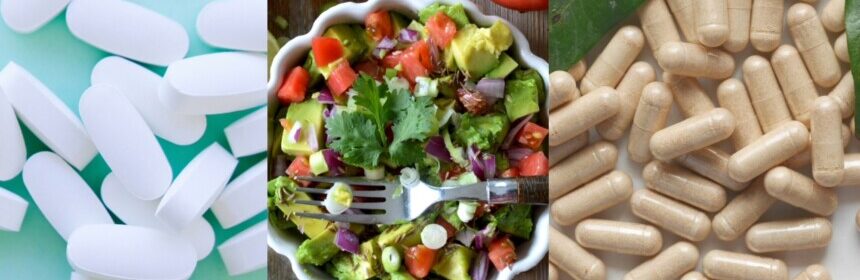
Don’t make things harder than they need to be. Most vegetarians don’t need a cabinet full of pills. Usually, a vitamin B12 supplement—sometimes vitamin D too—covers the basics. You can get everything else from a good mix of whole grains, beans, fruits, veggies, nuts, and seeds.
Still, everyone is different. Your age, health, habits, and exactly how you eat all matter. Someone who eats dairy might need something different than a strict vegan, for example. It helps to do regular blood work and talk things over with a doctor, so your approach actually fits you—not just some one-size-fits-all advice.
People like to talk about vegetarian diets as if they’re just lists of things you’re missing, but that’s not really fair. Done right, a vegetarian diet is packed with fiber, antioxidants, and all sorts of plant nutrients you barely find in meat-heavy meals. You don’t need to copy everything from an omnivorous menu—what matters is building a diet that covers what you need and fits with your values.
Honestly, vitamin B12 is the main thing to watch. Plant foods just don’t have it, so vegetarians need to get B12 from supplements or fortified products. Vitamin D matters too, especially if you don’t get a lot of sunshine. After that, it’s all about mixing things up: eat a variety of foods, keep things balanced, and learn a bit about how nutrients work together.
Vegetarian eating isn’t just possible—it can actually be really satisfying and healthy, as long as you pay a little attention. Supplements aren’t cheating; they’re just helpful tools. When you use them thoughtfully, they let you stick to your principles and take care of your health at the same time. Related Books: Click
 the Links Below to Learn More: