Signs of High Cholesterol

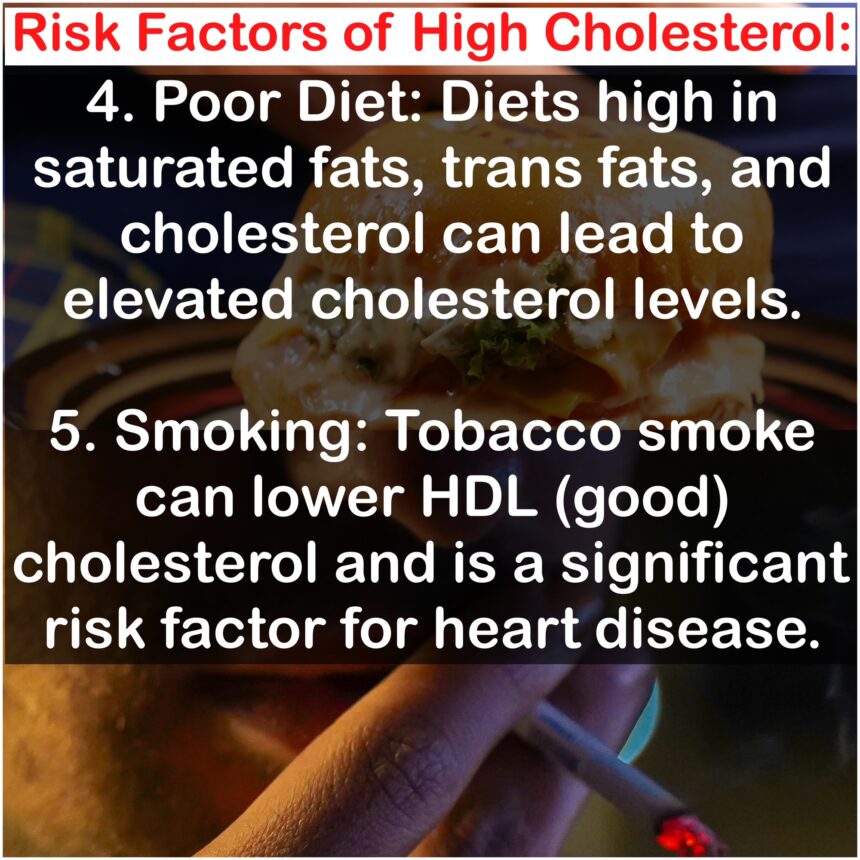
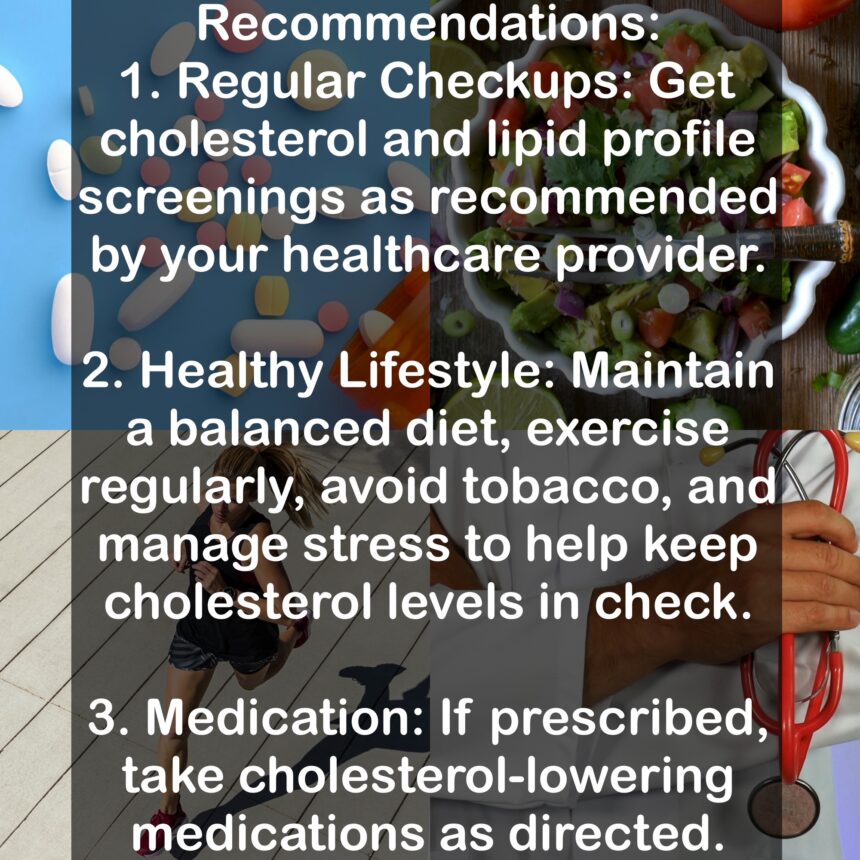
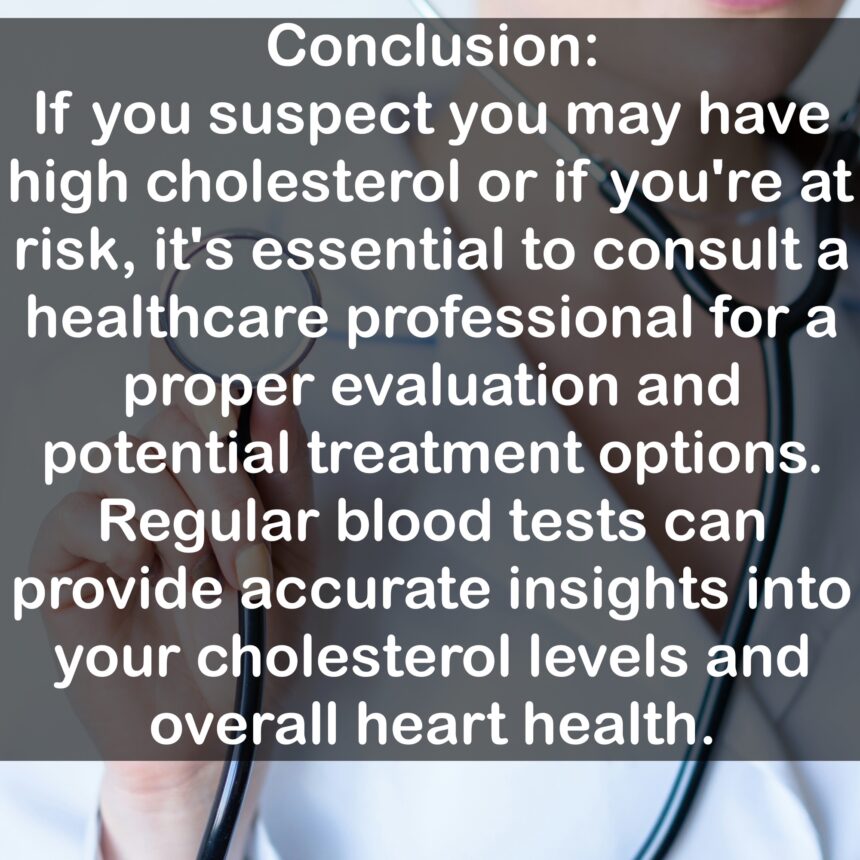
Maintaining healthy cholesterol levels is essential for heart health and overall well-being. Balanced cholesterol helps prevent plaque buildup in arteries, reduces the risk of heart disease and stroke, supports proper blood flow, and keeps your body functioning efficiently.

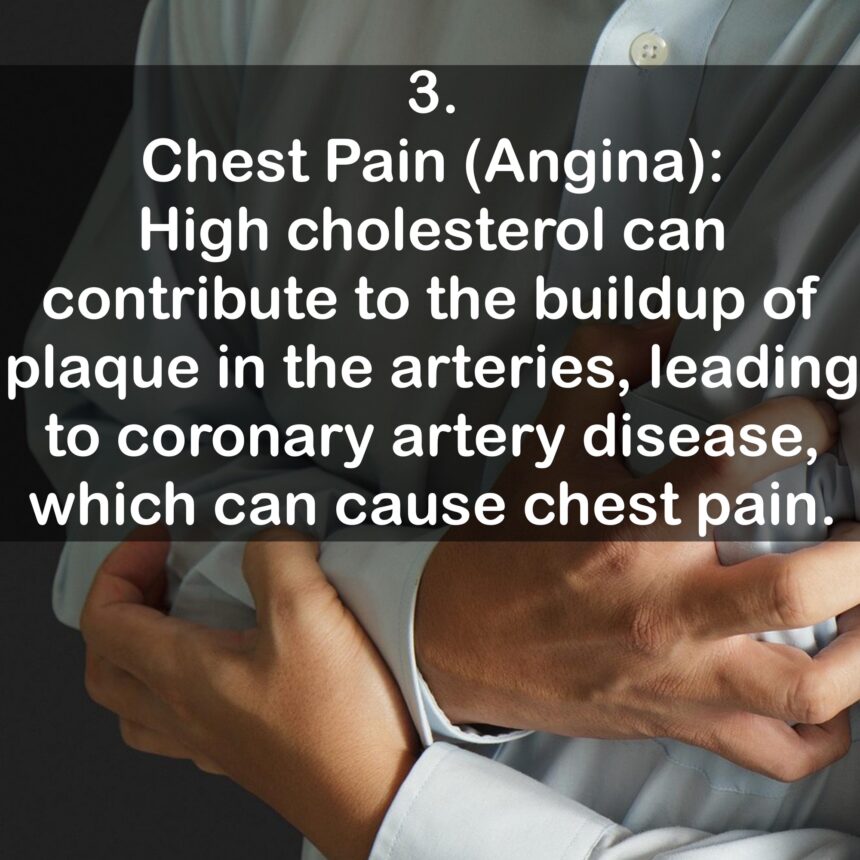
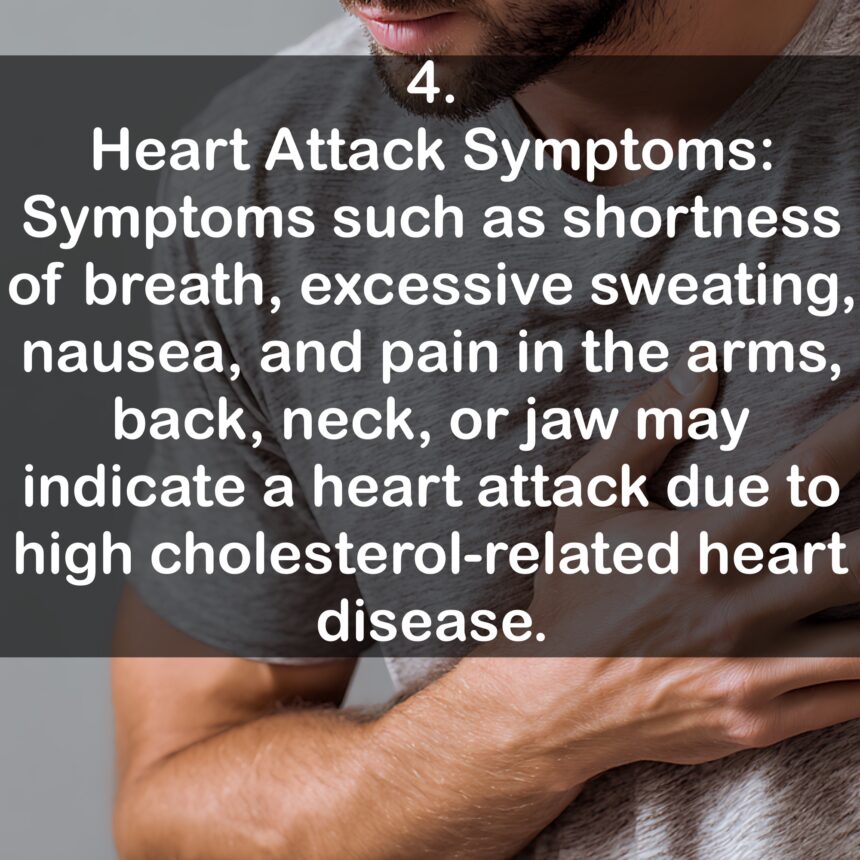
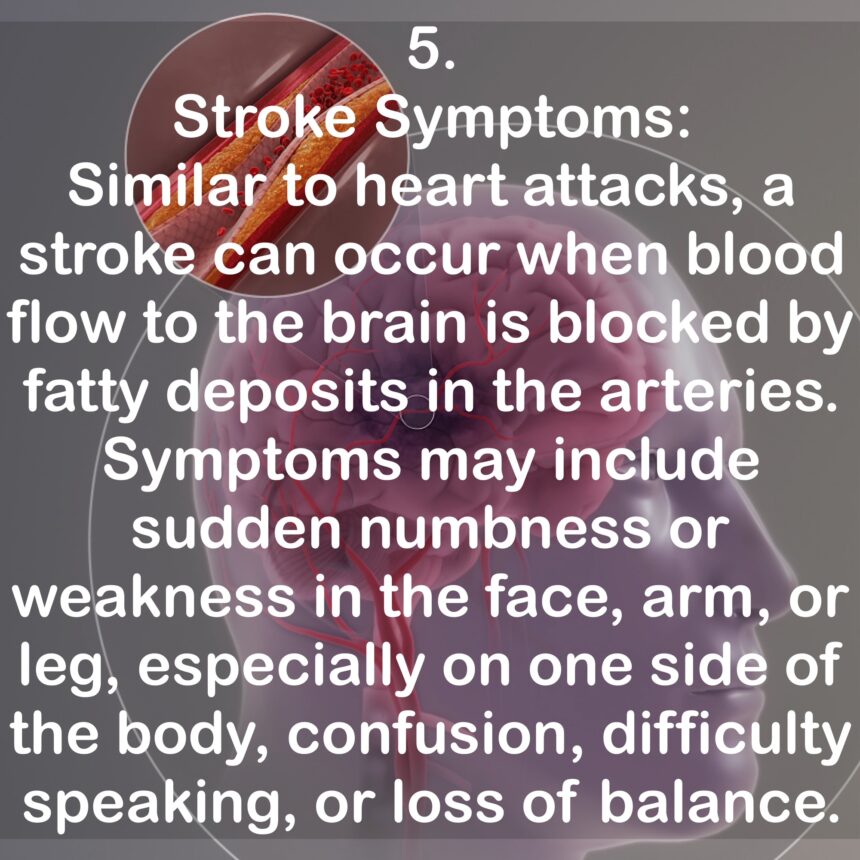
CLICK Below to Continue:

NEXT: 36 Protein Rich Plant Foods


Related Links:
- Foods That Help Lower Cholesterol
- 7 Facts About Cholesterol
- 10 Signs of High Blood Pressure
- Limit Foods High In Cholesterol
- Top 35 Foods to Lower Cholesterol
- 11 Signs of High Blood Sugar
- 16 Signs of High Cortisol
- Maintain A Healthy Cholesterol Level
- Top Foods to Lower High Blood Pressure
- 14 Signs of Low Testosterone in Men
- Top Foods for Healthy and Strong teeth
- Benefits of Barley🌾
- Keep Your Body Weight Down
- 10 Folic Acid Benefits for Women
- 12 Benefits of Peanut
- 9 Signs Your Gut Health Needs Attention
- 10 Benefits of a Balanced Diet
- Differences Between Soluble And Insoluble Fiber
- 10 Dietary Facts about Potassium
- 10 Benefits of Vitamin B12
- 10 Benefits of Banana
- Top 40 Heart Healthy Foods
- Avoid Salty Foods
- 13 Signs of Low Blood Sugar
- Foods Richest In Calcium
- Benefits of B vitamins
- Top High Energy Foods
- Eat Fruits & Veggies
- 5 Ways To Maintain A Healthy Heart
- Dietary Fiber Benefits
- Top 24 Foods High in Electrolytes
- 10 Benefits of Healthy Fats
- 10 Benefits of Pecans
- Potassium Deficiency Symptoms
- 10 Benefits of Apple🍎
- 10 Benefits of Salmon
- Your Diet is Not Complete without these 7 Nutrients
- Tips to Maintain a Healthy Body weight
- How To Know If Your Diet Is Healthy Enough
- Eliminate Trans Fat and Limit Saturated Fat
- 9 Herbs to Lower High Blood Pressure
- 10 Benefits of Calcium
- 10 Benefits of Tofu
- 10 Benefits of Phosphorus
- Avoid High Fructose Corn Syrup
- The Impact of Diet and Exercise on blood pressure
- 5 Signs That You are Eating Too Much Salt
- 10 Benefits of Tomato🍅
- 10 Benefits of sunflower seeds🌻
- Top Fat Burning Foods
- Top 21 Foods High in Potassium
- 10 Benefits of Olive oil🫒
- 10 Health Benefits of Hazelnuts
- Reasons To Drink Water
- 5 Benefits of Breadfruit
- 10 Benefits of Carrot Juice
- High Fiber Foods
- 7 Biotin Benefits for Skin
- Signs Of Skin Cancer
- The Health Benefits of Krill Oil
- Signs and Symptoms of Dehydration
- Reasons To Go Vegan
- 6 Benefits of Okra
- 10 Benefits of Acorn Squash
- What is Dietary Fat?
- 20 Benefits of Green Tea
- Should You Take Vitamins?
- 10 Benefits of Quinoa
- 10 Benefits of matcha tea
- 10 Benefits of Magnesium
- 10 Benefits of Peach🍑
- 13 Benefits of Walking 10000 Steps a day
- 10 Benefits of Kale🥬
- 8 Benefits of Pistachios
- About
- Top Foods to Boost Your Immune System
- 10 Benefits of Pumpkin Seeds
- 10 Benefits of Eggs🥚
- The Harmful Health Effects of Smoking
- Top 35 Foods for Healthy Digestion
- Top Foods for Blood Sugar Control
- 10 Health Benefits of Cashew nuts
- 10 Benefits of Carrot
- Top 43 Liver Cleansing Foods
- Vitamin B12 Deficiency Symptoms
- 10 Health Benefits of Iron
- Add High Fiber Foods into Your Diet
- Phosphorus Deficiency Symptoms
- 10 Benefits of Beans🫘
- 10 Benefits of Jackfruit
- Stay Away From Fast Food & Refined Sugar
- 10 Benefits of Whole Grains🌾
- Top 9 Whole Grain Foods You Must Eat
- 10 Benefits of Drinking Water💧
- 6 Health Benefits Of Stretching The Body
- Top 10 Foods for Diabetics
- The Truth About Fats: Good vs. Bad
- 10 Benefits of Cucumber
- 10 Benefits of Eggplant
- 10 Health Benefits of Cantaloupe🍈