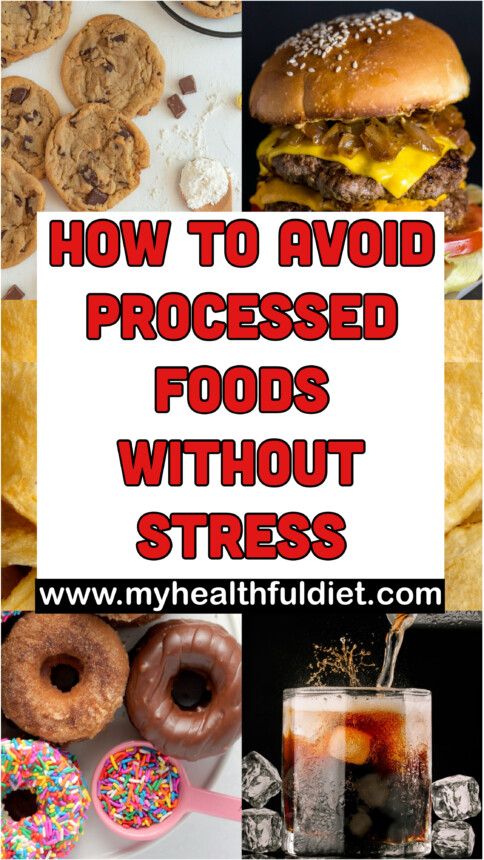
How to Avoid Processed Foods Without Stress

Trying to avoid processed foods sounds easy enough, right? But in the real world, it’s a whole different story. You walk into any grocery store and it’s just a sea of flashy boxes and bags. Eating out? Most places lean hard on pre-made stuff. Even foods that scream “healthy” on the label often sneak in extra sugar, preservatives, or weird additives you didn’t sign up for.
Here’s the thing: You don’t have to flip your whole life upside down to start eating fewer processed foods. No need to obsess over every label or beat yourself up for grabbing something quick. Little changes, made over time, really do add up—and you can do it without making yourself crazy.
So, how do you pull this off in a way that actually works for real life? Let’s break it down.
Understand What “Processed” Really Means
Not all processed food deserves a bad rap. Honestly, even just rinsing your veggies or tossing them in the freezer counts as processing. Stuff like frozen peas, canned beans, plain yogurt, and whole-grain bread? They’re processed, sure, but they’re still practical—and they pack plenty of nutrition.
The real problem comes with heavy processing. Ultra-processed foods usually have a laundry list of ingredients, plus artificial flavors, colorings, refined oils, and loads of added sugar or salt. Picture packaged chips, sugary cereals, microwave dinners, and soda.
It helps to stop labeling food as “good” or “bad.” Try thinking about how close something is to its original state. When you focus on “closer to whole” instead of “heavily manufactured,” making choices gets a lot simpler. You’re not cutting out foods completely—you’re just shifting things in a better direction.
Focus on Adding Before Subtracting
If you want to eat less processed food without making yourself crazy, start by bringing in more whole foods. Don’t worry about ditching everything at once.
So, instead of telling yourself, “No more chips,” go with, “I’ll toss in a piece of fruit or grab some nuts today.” Forget about cutting out all the quick fixes—just try cooking one extra meal at home this week.
This way, there’s a lot less pressure. You’re not stuck in restriction mode. You’re actually making your nutrition stronger, step by step.
And here’s what happens: once whole foods show up more often, the processed stuff just kind of gets pushed aside naturally.
Simplify Your Grocery Strategy
Grocery shopping is where most processed food decisions happen. Walking in without a plan makes you vulnerable to impulse buys.
A simple strategy is to build your cart around categories rather than specific trendy recipes. Think:
- Vegetables and fruits
- Proteins (eggs, beans, fish, poultry, tofu)
- Whole grains (rice, oats, quinoa)
- Healthy fats (olive oil, nuts, seeds)
You don’t need complicated ingredients. In fact, simplicity reduces stress and decision fatigue.
A lot of people stick to the outer edges of the grocery store, where you’ll usually find the fresh stuff. It’s not some hard-and-fast rule, but it does make it easier to steer clear of ultra-processed foods.
If labels make your head spin, here’s an easy trick: pick products with short ingredient lists full of things you actually recognize. You don’t have to be a scientist or worry about every weird name. Just go for food that looks—and sounds—like real food.

Cook More Often—But Keep It Realistic
Cooking at home is one of the best ways to cut down on processed food. Studies—even from places like Harvard—show people who cook at home eat better and steer clear of ultra-processed stuff.
But let’s be real: cooking doesn’t have to be fancy.
Dinner can be roasted veggies, some grilled chicken, and rice. Or just scrambled eggs with spinach and toast. Even a simple lentil soup in the slow cooker does the trick.
If you’re always short on time, stick to meals you know by heart. Pick five or six go-to recipes and just rotate them. That way, you skip the stress of planning something new every night. Batch cooking helps, too—make a big pot or tray, and you’ve got leftovers ready for busy days.
Don’t stress about making every meal perfect. Just cook at home more often. That’s what matters.
Redefine Convenience
Processed foods have taken over our diets mostly because they’re just so easy. You grab, you eat, you’re done. Honestly, it’s hard to argue with that kind of convenience.
But you don’t have to give up on ease to eat better. Just shift how you do it.
Chop veggies ahead of time. Make bigger batches when you cook, then stash the extras for later. Keep things like boiled eggs, cooked grains, or roasted veggies in the fridge, ready to go. Frozen veggies without all the added junk? Toss them in the cart—they’re fast, healthy, and just as good for you.
Convenience doesn’t have to come from a lab. Sometimes it’s as simple as being prepared.
When healthy food is as easy to grab as a bag of chips, you’ll reach for it more often—without even thinking about it.
Avoid All-or-Nothing Thinking
One of the biggest sources of stress around food is perfectionism.
Look, eating a bag of chips or grabbing takeout doesn’t wipe out all your progress. Real change sticks when you build solid habits over time, not from obsessing over every single meal.
The whole “all-or-nothing” attitude just brings on guilt. And guilt? It usually makes people throw in the towel. It’s way healthier to think, “Most of my meals are whole foods, but yeah, sometimes I pick the easy option. That’s fine.”
Stress itself messes with your body — it can crank up your blood pressure, mess with your sleep, even throw your appetite out of whack. The World Health Organization talks about this all the time: stress hits every part of your well-being. If your food choices make you anxious, what’s the point?
Food’s supposed to take care of you — body and mind. Don’t let stress take that away.
Learn to Navigate Social Situations Calmly
Let’s be real: most social events are packed with processed snacks and desserts. Birthdays, office parties, holidays—you know the drill. Sticking to your own goals can feel pretty tough in those moments.
Honestly, you don’t have to make a big deal about your choices. No speeches, no defending what’s on your plate. Just focus on finding some balance. If you know the food will be limited, eat something good before you go. Or bring a dish you actually want to eat and share it around. Pick what you truly enjoy, eat it, and get back to the fun.
Don’t beat yourself up or turn food into some kind of test of character. Being there, connecting with people, and enjoying yourself—that’s important too.
In the end, it’s your daily habits that shape your health, not one slice of cake at a party.
Understand Your Triggers
Processed foods aren’t just tasty by accident—companies actually design them to be irresistible. They pour money into perfecting flavors, which is something public health researchers talk about a lot. Even the CDC points out how these foods tie into our eating habits and long-term health problems.
Notice when you reach for those ultra-processed snacks. Is it late at night? Maybe after a rough day at work? Or when you’ve skipped lunch?
The answer isn’t always about having more self-control. It’s usually about having a better routine. Balanced meals packed with protein, fiber, and healthy fats help steady your blood sugar and make those wild cravings fade.
And don’t forget the basics: sleep, water, and managing stress. When you take care of your body, you just don’t have to fight yourself as much.
Make Gradual Swaps
Trying to cut out everything all at once just throws your routine off. It’s way easier to tackle one thing at a time.
Say you’re used to having soda every day. Swap it for sparkling water a couple times a week. If you usually reach for sugary cereal in the morning, switch it up with oatmeal, toss in some fruit and nuts. And for those packaged snacks you always grab, keep things like nuts, yogurt, or fruit within reach instead.
These little changes add up. Give it some time and you’ll notice your taste buds start to adjust. Foods you thought were bland might actually taste sweet or packed with flavor.
Honestly, slow and steady changes don’t feel as intense, but they stick with you way longer.
Build Skills, Not Restrictions
Avoiding processed foods isn’t really about following strict rules. It’s about building up your own skills.
Start with the basics—learn how to cook simple things and get a feel for seasoning. Once you can pull together a few go-to meals without always checking a recipe, you’ll notice you don’t reach for packaged stuff as much.
Nobody’s saying you need to be a gourmet chef. You just need to feel sure of yourself in the kitchen.
That kind of confidence takes the pressure off. You know you can make something good to eat without grabbing a box or hitting the drive-thru.
Keep Perspective on Health
Cutting back on processed foods helps your heart, digestion, metabolism, and even your energy. Still, it’s not the whole story.
There’s so much more to feeling good—moving your body, getting enough sleep, connecting with others, having a sense of purpose, and taking care of your mind. If you get too hung up on eating perfectly, you can actually lose sight of everything else that matters.
Focus on being consistent, not perfect. If most of what you eat is whole or minimally processed, you’re on the right track.
Real health takes time. You don’t need to go to extremes with your diet.
The Calm, Sustainable Approach
Avoiding processed foods doesn’t have to be stressful. It’s really about a few simple things: eat more whole foods, cook a bit more, plan ahead so you’ve got easy options, and stop worrying about getting it perfect.
Seriously, there’s no need to freak out over every ingredient. You don’t have to debate food choices at every meal or dump every boxed snack in the trash.
Just start nudging things toward real food—stuff that actually looks like it grew somewhere, not something that rolled out of a factory.
If you keep it chill and practical, cutting back on processed stuff stops feeling like punishment. You start making choices because you want to, not because you have to. That quiet shift toward better food? That’s the kind of change that sticks. Related Links: Click
 the Links Below to Learn More: