Migraines: Causes, Symptoms and Cure

Migraines: Causes, Symptoms and Cure
Migraines are a neurological condition characterized by recurring, often severe headaches accompanied by symptoms such as nausea, sensitivity to light and sound, and visual disturbances. They can last hours to days and significantly impact daily life.
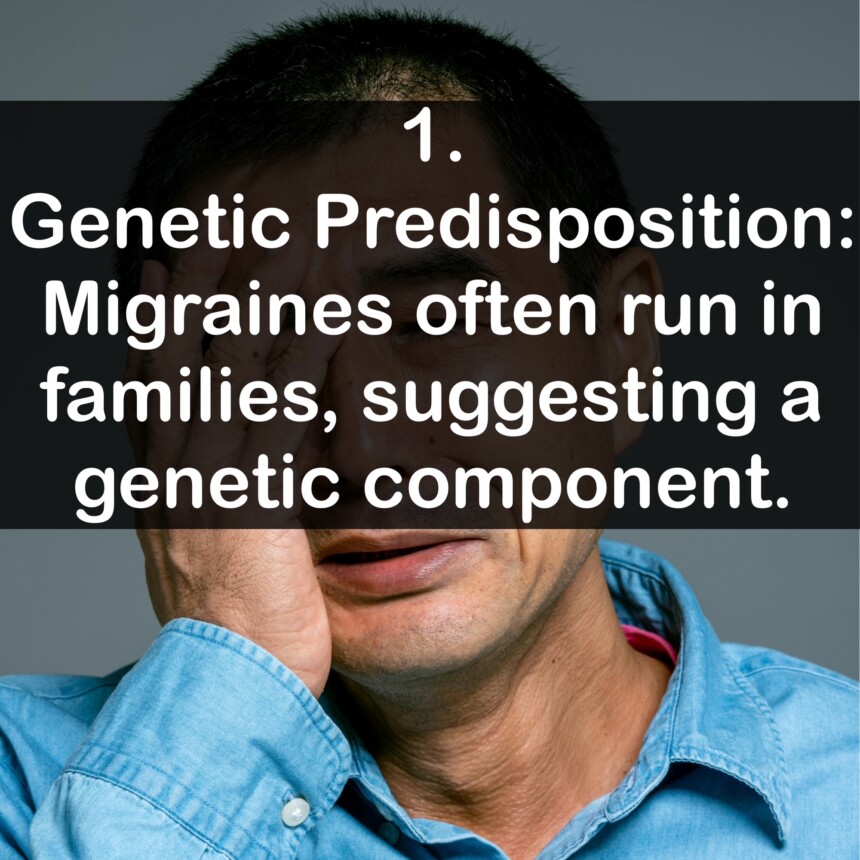
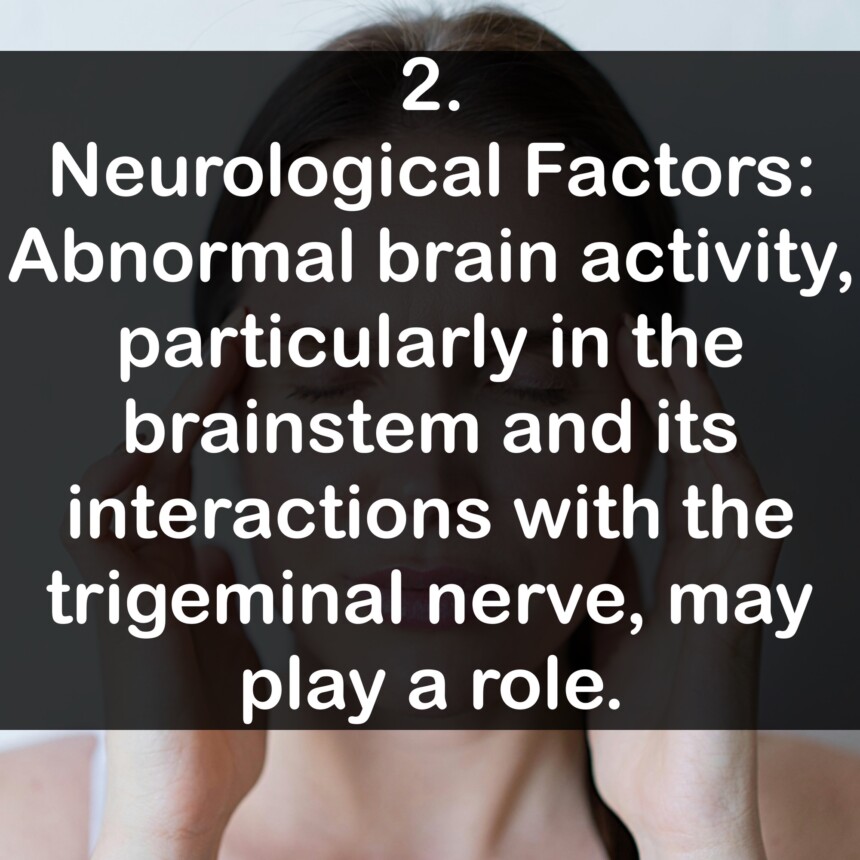
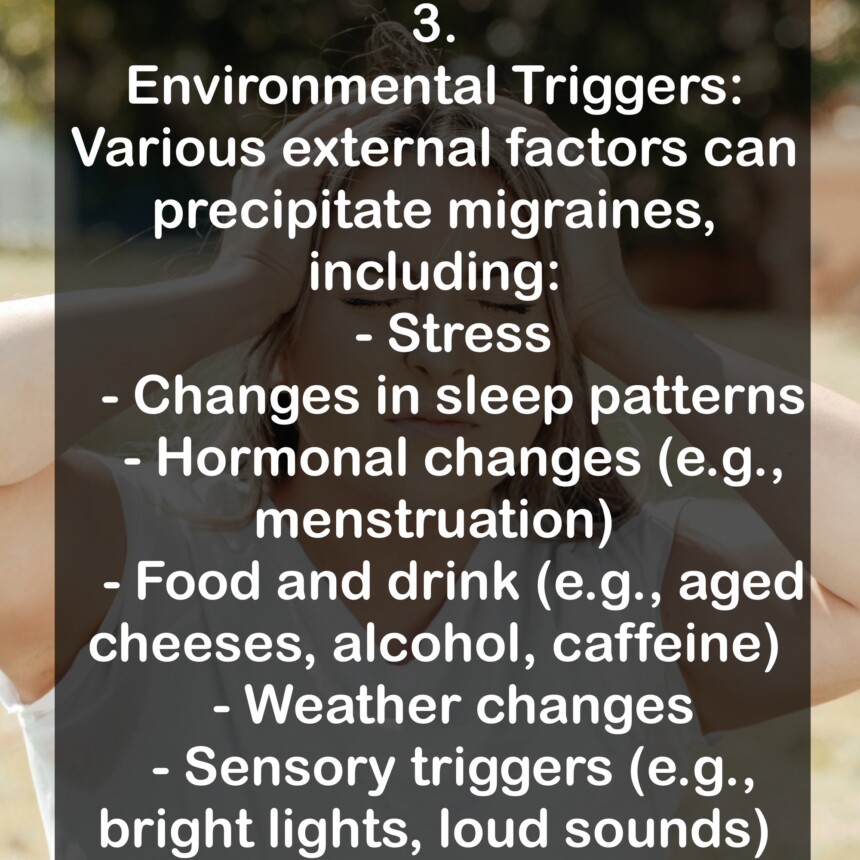
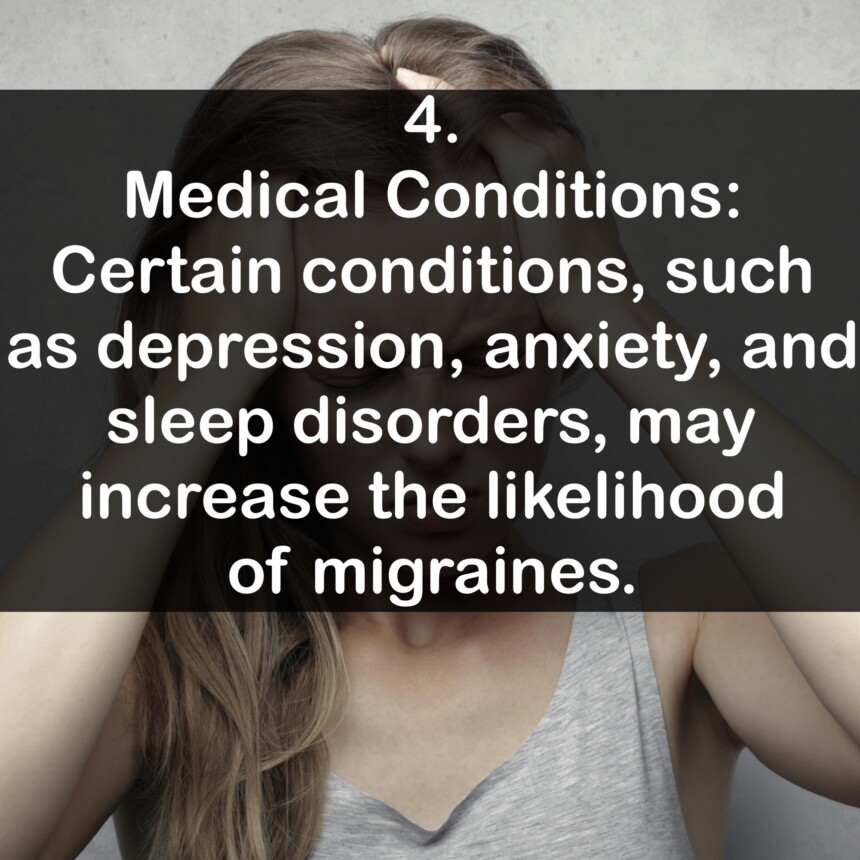
Migraines are a common type of headache characterized by severe pain, often accompanied by other symptoms. Understanding their causes, symptoms, and potential treatments is crucial for effective management.Causes of Migraines: The exact cause of migraines is not fully understood, but several factors are believed to contribute to their onset:1. Genetic Predisposition: Migraines often run in families, suggesting a genetic component.2. Neurological Factors: Abnormal brain activity, particularly in the brainstem and its interactions with the trigeminal nerve, may play a role.3. Environmental Triggers: Various external factors can precipitate migraines, including: - Stress - Changes in sleep patterns - Hormonal changes (e.g., menstruation) - Food and drink (e.g., aged cheeses, alcohol, caffeine) - Weather changes - Sensory triggers (e.g., bright lights, loud sounds)4. Medical Conditions: Certain conditions, such as depression, anxiety, and sleep disorders, may increase the likelihood of migraines.


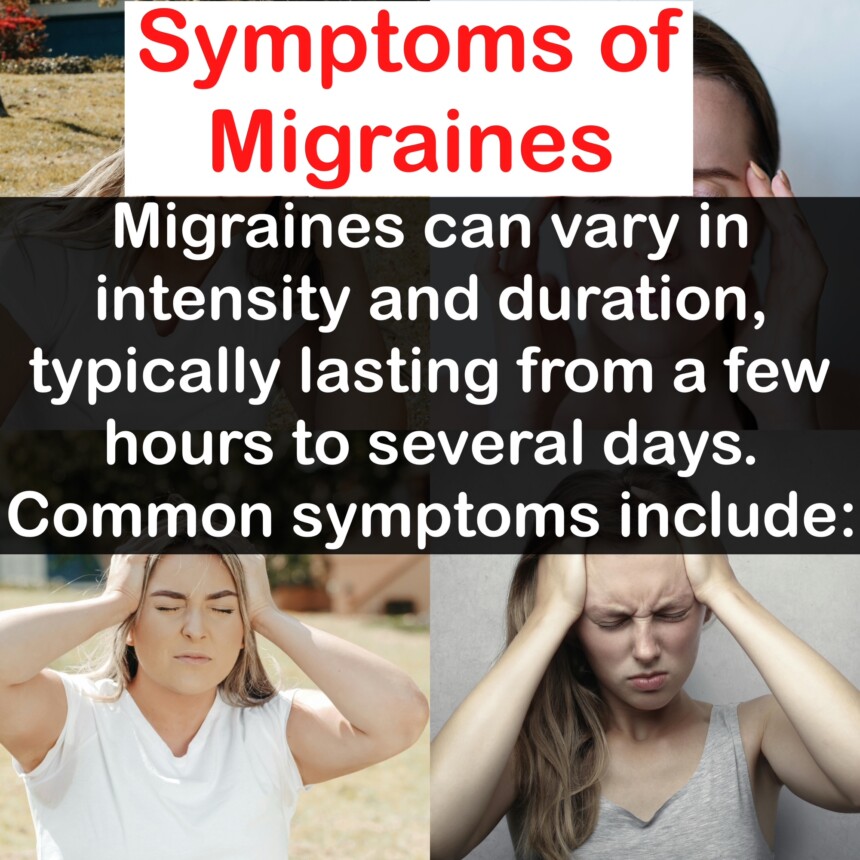
Symptoms of Migraines: Migraines can vary in intensity and duration, typically lasting from a few hours to several days. Common symptoms include:1. Unilateral Head Pain: Typically, the pain is throbbing or pulsating and may affect one side of the head.2. Nausea and Vomiting: Many individuals experience gastrointestinal symptoms.3. Sensitivity to Light and Sound: Bright lights and loud noises can exacerbate the pain.4. Aura: Some people experience neurological symptoms before the headache onset, known as an aura. This can include visual disturbances (e.g., flashing lights or blind spots) or sensory changes (e.g., tingling).Treatment and Management of Migraines: While there is no definitive cure for migraines, various treatments and lifestyle changes can help manage symptoms and reduce the frequency of attacks.1. Acute Treatments: These medications are used to relieve migraine symptoms after they start: - Over-the-Counter Medications: Non-steroidal anti-inflammatory drugs (NSAIDs) like ibuprofen or naproxen can help alleviate pain.- Triptans: These prescription medications are designed to treat migraines specifically by targeting serotonin receptors in the brain (e.g., sumatriptan). - Anti-nausea Medications: To manage accompanying nausea or vomiting.2. Preventive Treatments: These aim to reduce the frequency and severity of migraines: - Medications: Beta-blockers (e.g., propranolol), antidepressants (e.g., amitriptyline), and anticonvulsants (e.g., topiramate) are common options.- Cognitive Behavioral Therapy (CBT): Psychological approaches can help manage stress and anxiety, reducing migraine frequency. - Lifestyle Changes: Regular exercise, consistent sleep patterns, a balanced diet, and hydration can help minimize triggers.- Avoidance of Triggers: Keeping a migraine diary to identify and avoid specific triggers can be beneficial.3. Alternative Therapies Some individuals find relief through complementary approaches: - Acupuncture: Some studies suggest acupuncture may reduce the frequency or intensity of migraines. - Biofeedback: This technique teaches individuals to control bodily functions (e.g., muscle tension, heart rate) that may contribute to migraines.Conclusion: Migraines can significantly impact an individual's quality of life, but understanding their causes and symptoms is the first step towards effective management. If you suspect you suffer from migraines or if you're experiencing frequent headaches, consulting a healthcare professional is essential to tailor a treatment plan that suits your needs. Early intervention and proactive management can lead to better outcomes and improved daily functioning.


CLICK “NEXT” Below for More:

NEXT: How the Body Burns Calories


Discover Our Books Below:

60 Simple Tips to Stay Healthy and Fit


65 Simple Tips for a Healthy Lifestyle