Potassium Deficiency Symptoms

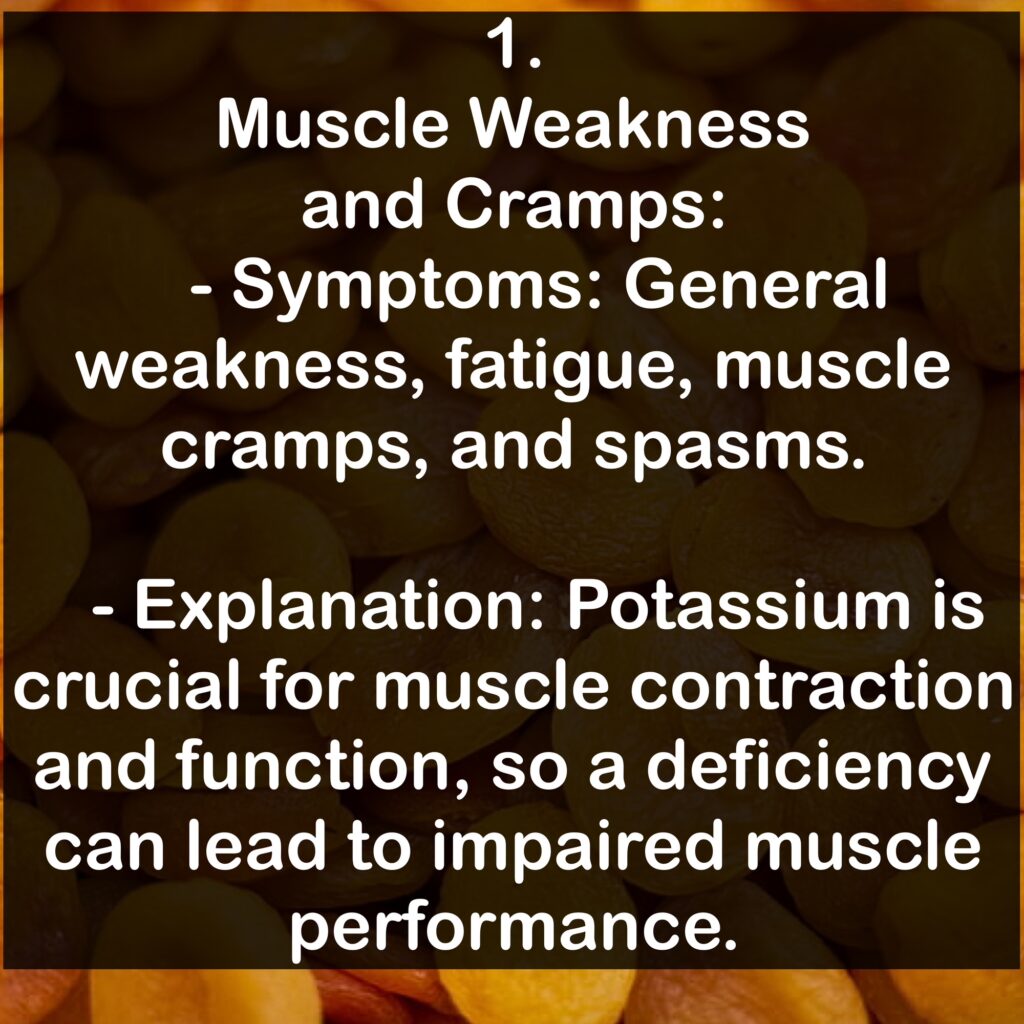
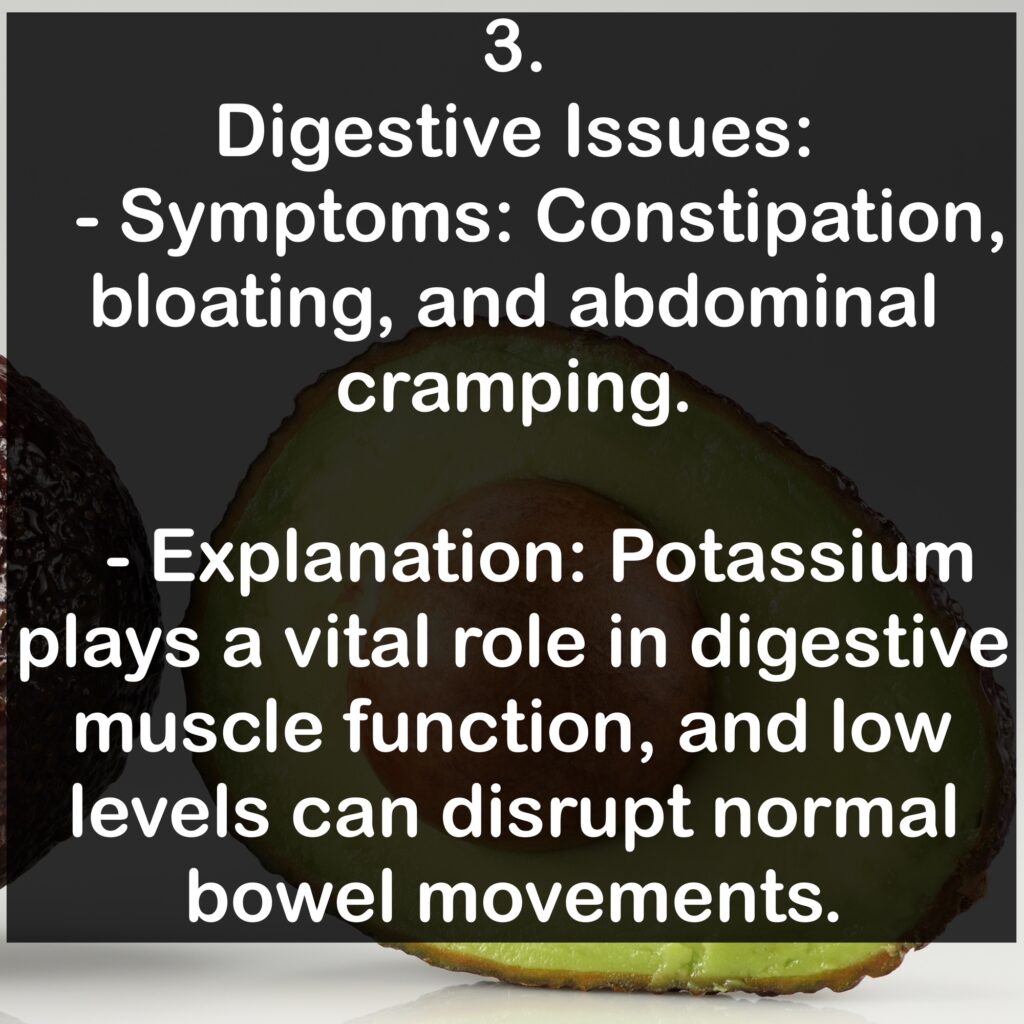
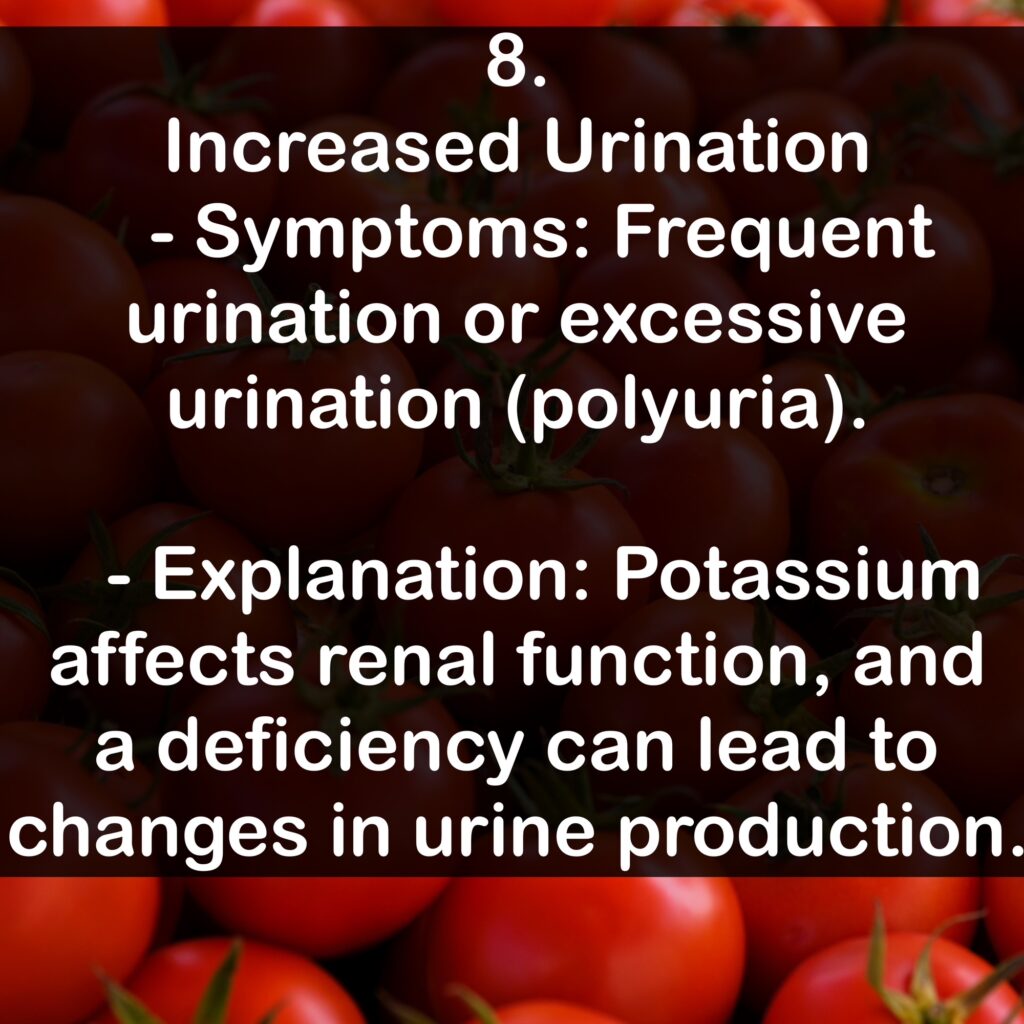
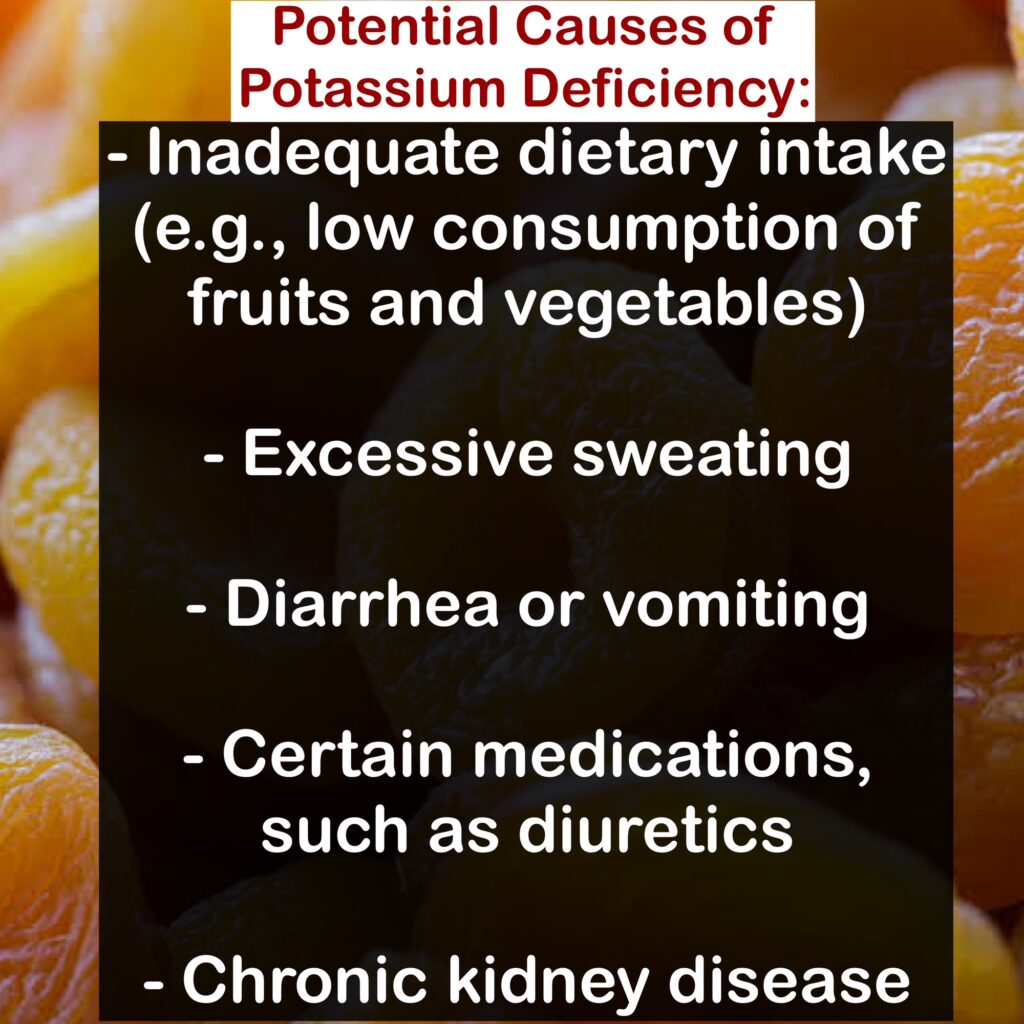
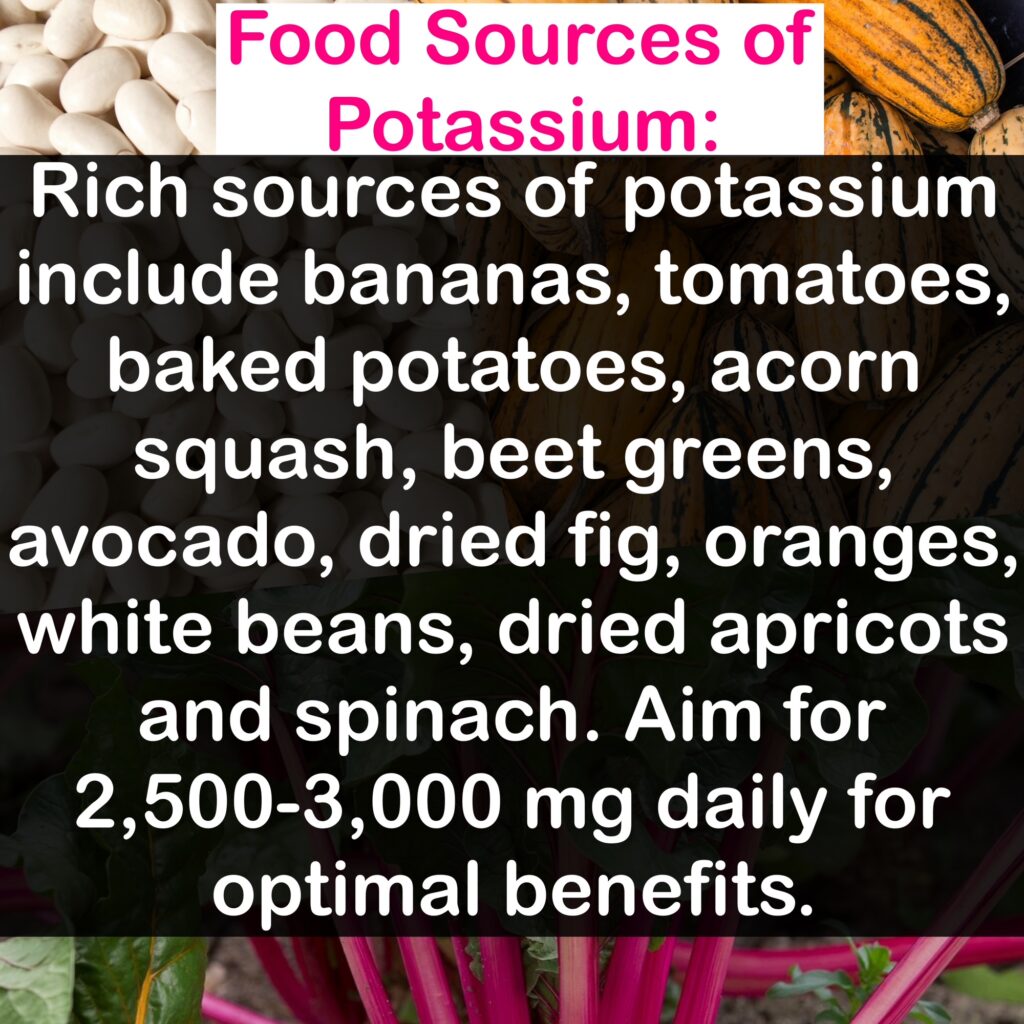
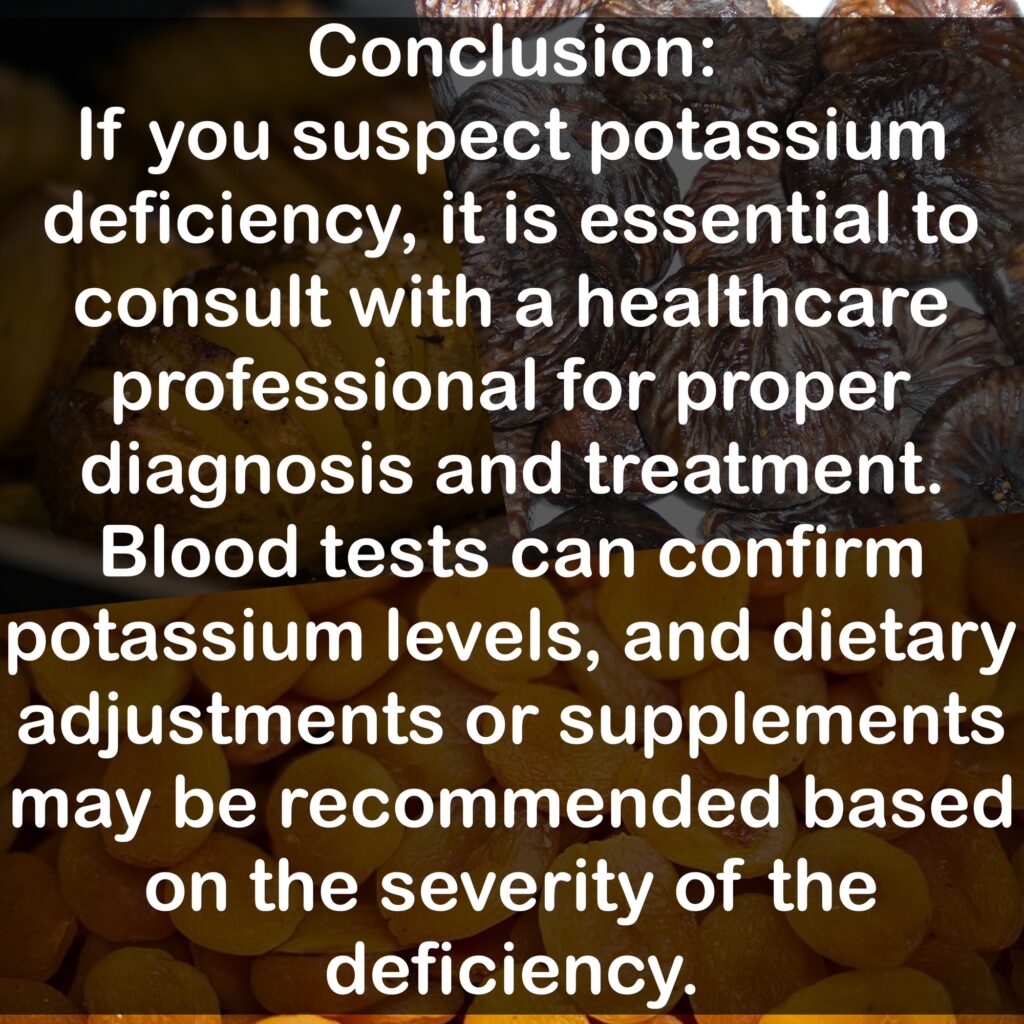
Potassium is an essential mineral that helps maintain fluid balance, nerve signals, and muscle function. It supports heart health, helps regulate blood pressure, reduces muscle cramps, and works with sodium to keep the body functioning properly.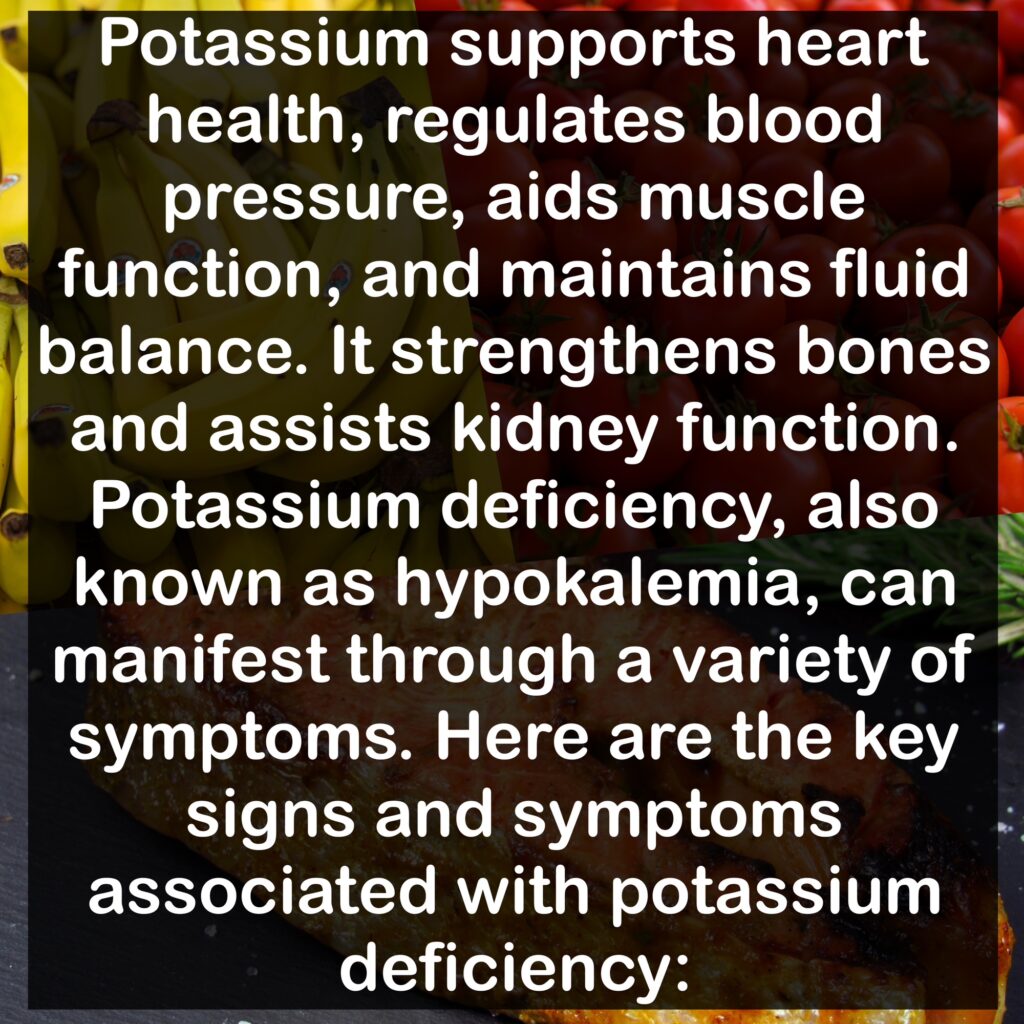


CLICK Below For More:

NEXT: Top 21 Foods High in Potassium

Related Links:
- 10 Dietary Facts about Potassium
- Top 21 Foods High in Potassium
- Magnesium Deficiency Symptoms🫘
- Calcium Deficiency Symptoms
- Vitamin B12 Deficiency Symptoms
- Phosphorus Deficiency Symptoms
- 12 Biotin Deficiency Symptoms
- Folic Acid Deficiency Symptoms
- Zinc Deficiency Symptoms
- 10 Iodine Deficiency Symptoms🦪
- Vitamin E Deficiency Symptoms
- 12 Iron Deficiency Symptoms
- 10 Benefits of Phosphorus
- Probiotics Deficiency Symptoms
- 10 Benefits of Magnesium
- Vitamin C Deficiency Symptoms
- Vitamin D Deficiency Symptoms
- 10 Benefits of Calcium
- Vitamin A Deficiency Symptoms
- Vitamin K Deficiency Symptoms
- Facts about Table Salt
- Top 24 Foods High in Electrolytes
- Benefits of B vitamins
- Maintain A Healthy Balance Of Electrolytes
- Foods Richest In Calcium
- The Impact of Diet and Exercise on blood pressure
- 10 Benefits of Celery
- Top 40 Heart Healthy Foods
- Top 16 Vitamin B12 Rich Foods
- 10 Health Benefits of Plum
- Causes And Symptoms Of Food Allergy
- 10 Facts about Calcium
- 5 Morning Rituals for a Productive Day
- Top 18 Foods to Reduce Cortisol Levels
- 11 Ways to Relieve Menstrual Cramps
- Top 34 Magnesium Rich Foods🥜
- 10 Benefits of Acorn Squash
- Your Diet is Not Complete without these 7 Nutrients
- 10 Benefits of Swiss Chard
- 10 Benefits of Jackfruit
- 10 Benefits of Pumpkin Seeds
- 10 Health Benefits of Chestnuts🌰
- Signs and Symptoms of Dehydration
- Differences Between Soluble And Insoluble Fiber
- 10 Benefits of Banana
- Top Foods to Lower High Blood Pressure
- 10 Benefits of Apple🍎
- 10 Benefits of Eggplant
- 10 Benefits of Vitamin B12
- 10 Benefits of Coconut water
- 10 Benefits of Cabbage
- Benefits of Barley🌾
- Can an Alkaline Diet Help Improve Your Health?
- 10 Benefits of Iodine🍤
- 10 Benefits of Salmon
- 10 Benefits of Radish
- Top Foods to Boost Your Immune System
- Top 9 Whole Grain Foods You Must Eat
- 10 Benefits of Peach🍑
- 10 Ways to Stay Full Longer With Smart Eating: A Complete Guide
- 10 Benefits of Apricot
- 10 Healthy Swaps to Drop Pounds Fast
- 10 Benefits of Carrot
- Top 20 Testosterone Boosting Foods
- 10 Benefits of Sweet Potato🍠
- Top Foods for Hormone Balance
- 10 Health Benefits of Asparagus
- Consume Protein At Every Meal
- 10 Benefits of Kiwi Fruit🥝
- 13 Benefits of Walking 10000 Steps a day
- Folic Acid Benefits for Women
- 14 Benefits of Soursop
- Top Foods for Healthy and Strong Bones
- 10 Benefits of Zinc
- 11 Health Benefits Of Meditation
- 10 Health Benefits of Cantaloupe🍈
- 10 Benefits of Quinoa
- 10 Benefits of Cucumber
- Cardio Exercise Benefits
- 10 Benefits of Olive oil🫒
- 10 Health Benefits of Pumpkin
- 10 Benefits of Fennel Seeds
- Top 43 Liver Cleansing Foods
- 50 Ways too much Sugar affect the body
- Top 26 Calcium Rich Foods
- 23 Types of Herbal Tea🍵
- Top 35 Foods for Healthy Digestion
- 7 Biotin Benefits for Skin
- Top 20 Zinc Rich Foods
- 10 Benefits of Watermelon
- 10 Benefits of Lemon🍋
- Symptoms and Causes of Indigestion
- 7 Ways to Improve Your Sleep Quality
- Top 35 Foods to Lower Cholesterol
- 5 Ways To Maintain A Healthy Heart
- 10 Benefits of Tangerine
- Top Foods and Tips for Healthy Skin
- 12 Natural Painkillers
- Types Of Meditation
- 10 Benefits of Probiotics