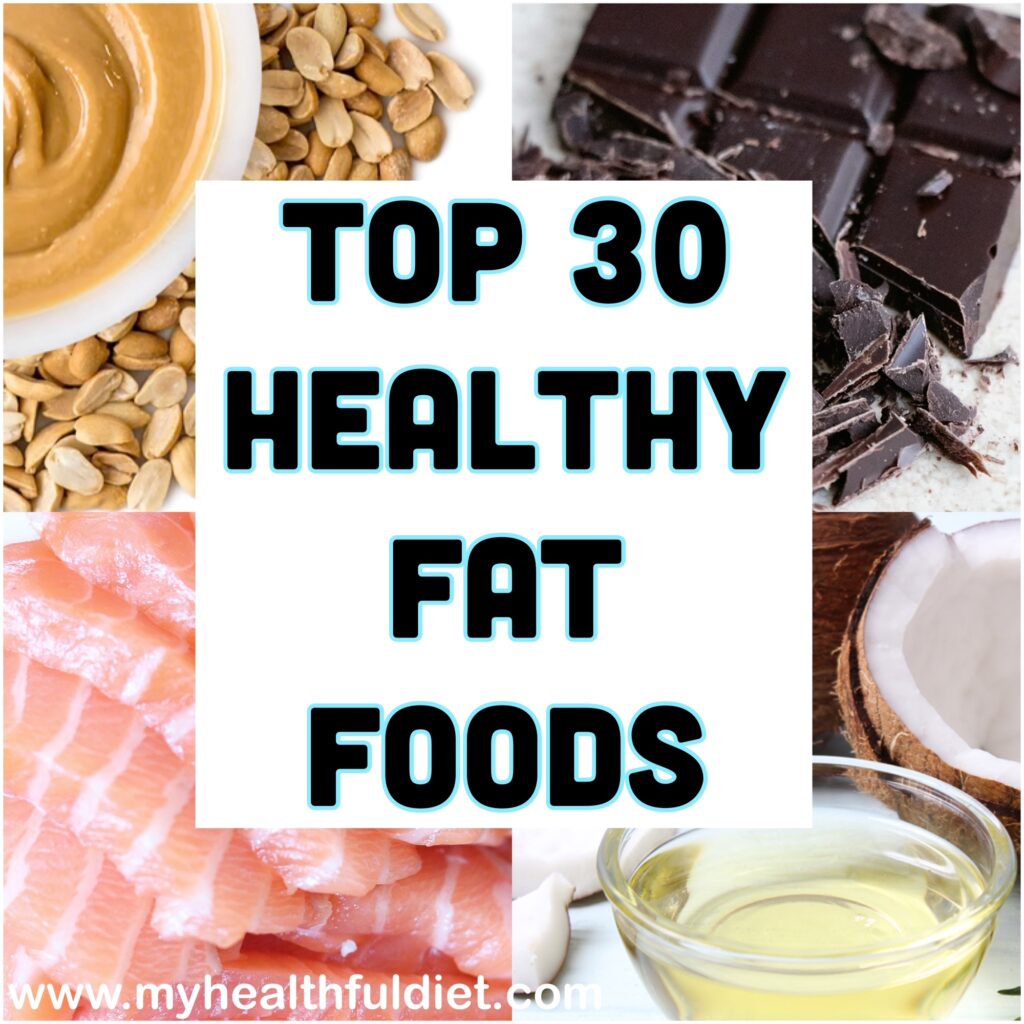
Top 30 Healthy Fat Foods

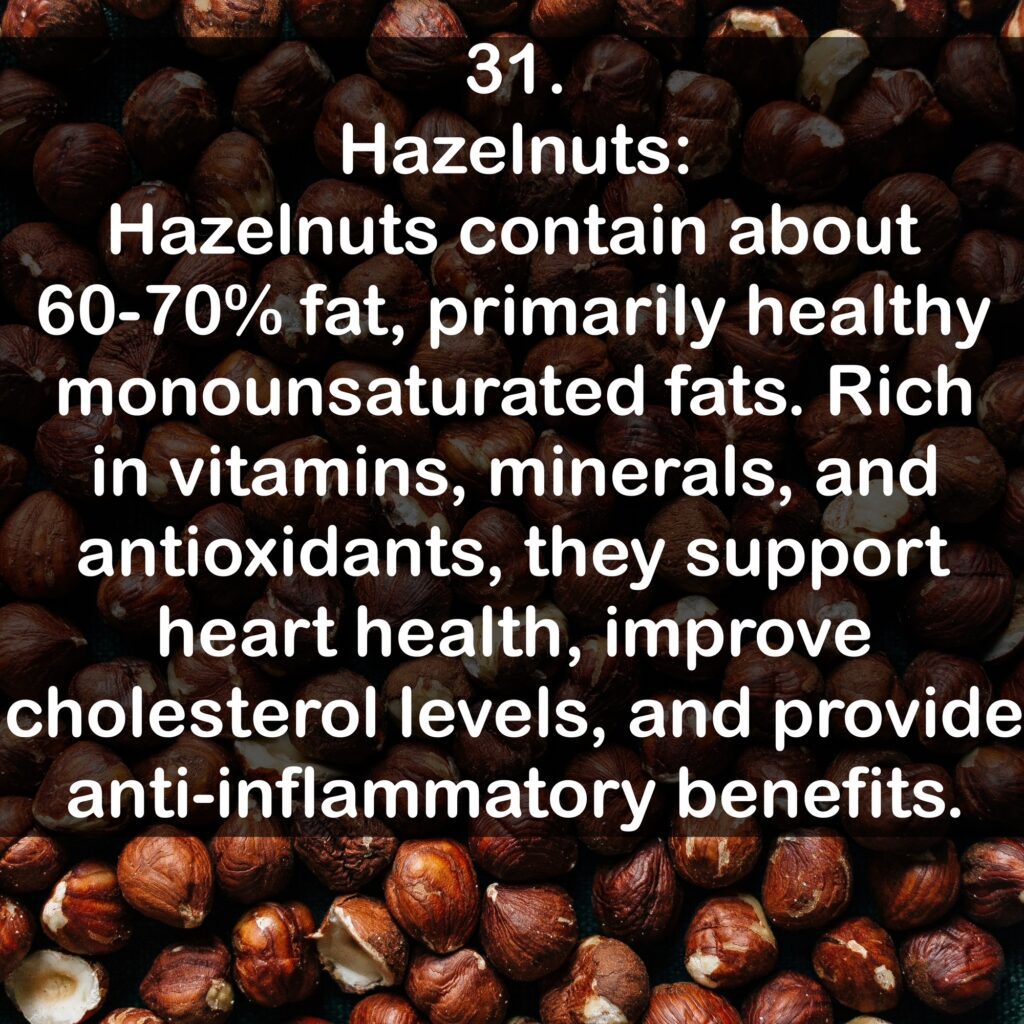
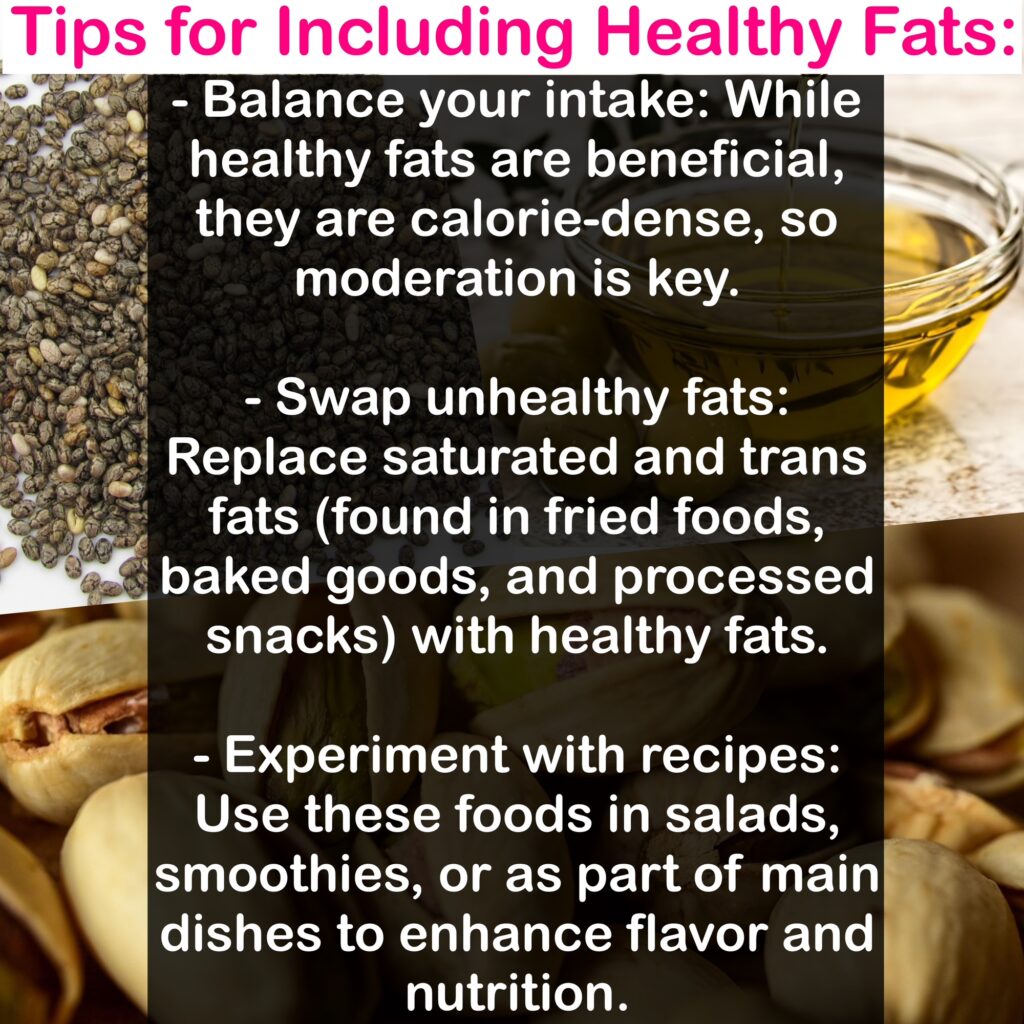
Healthy fats are essential for overall health and proper body function. They support heart and brain health, help absorb fat-soluble vitamins, reduce inflammation, provide lasting energy, and play an important role in hormone production and cell structure when consumed in moderation.

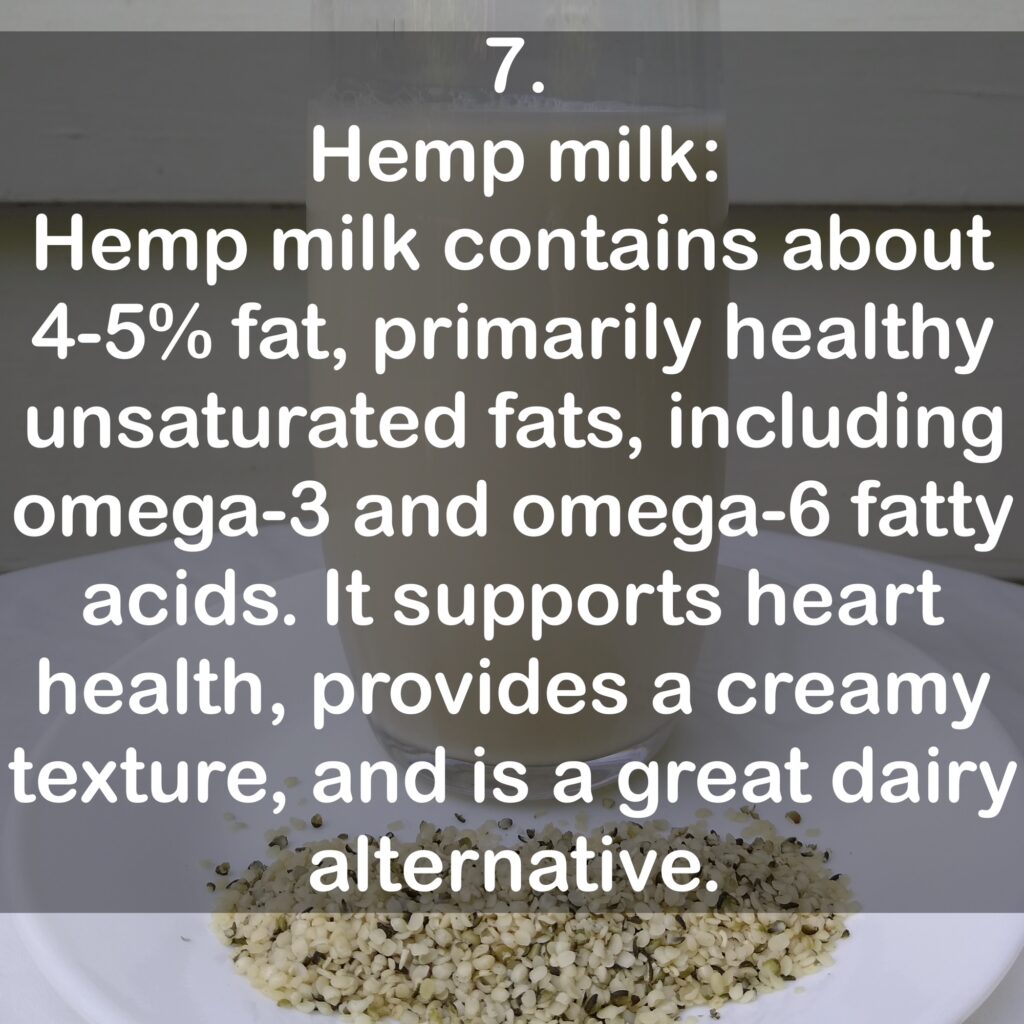
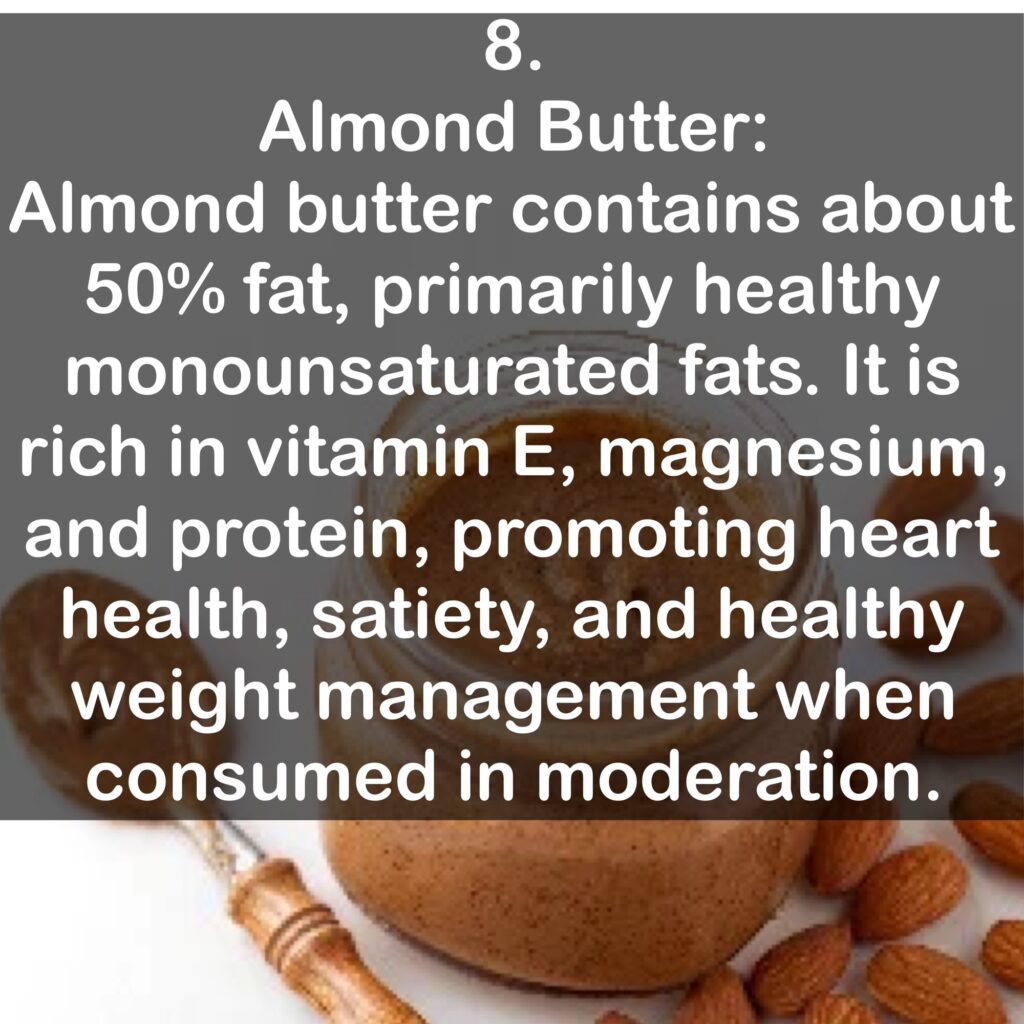
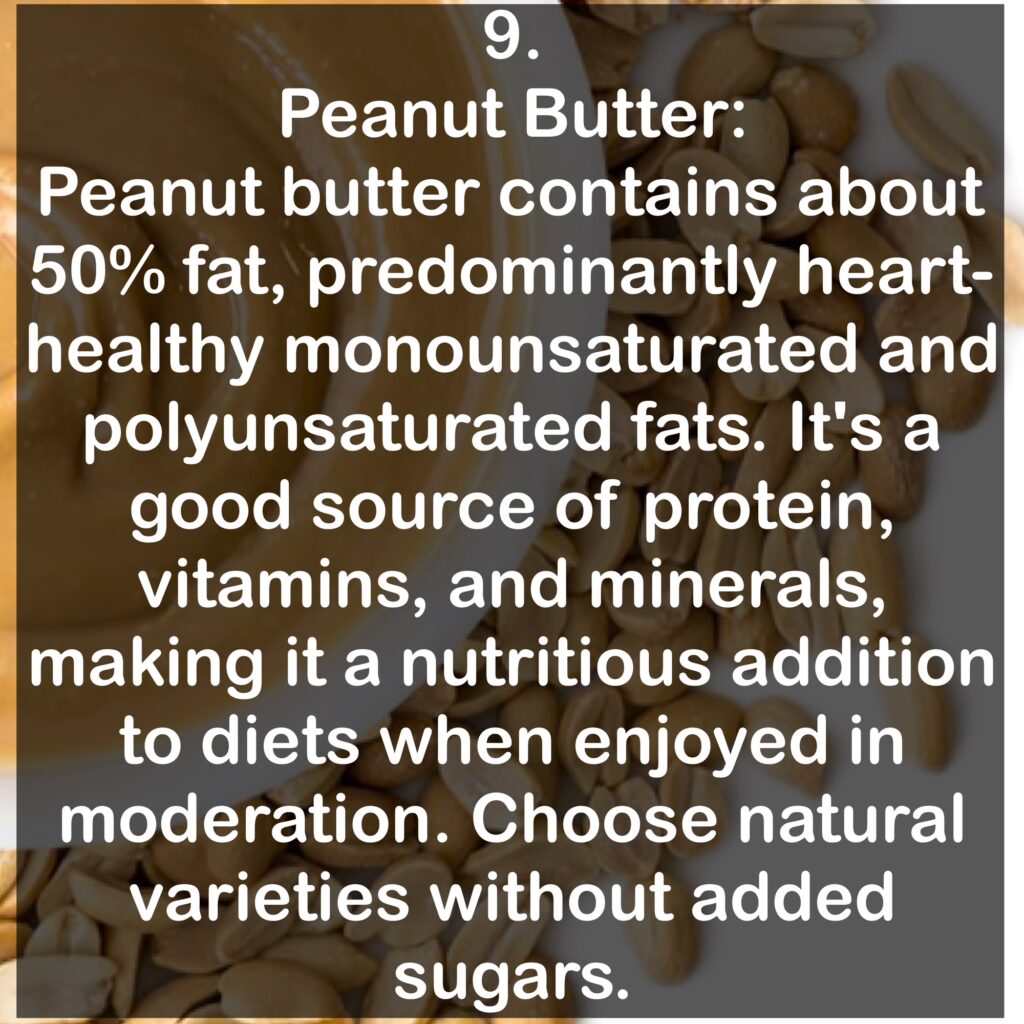
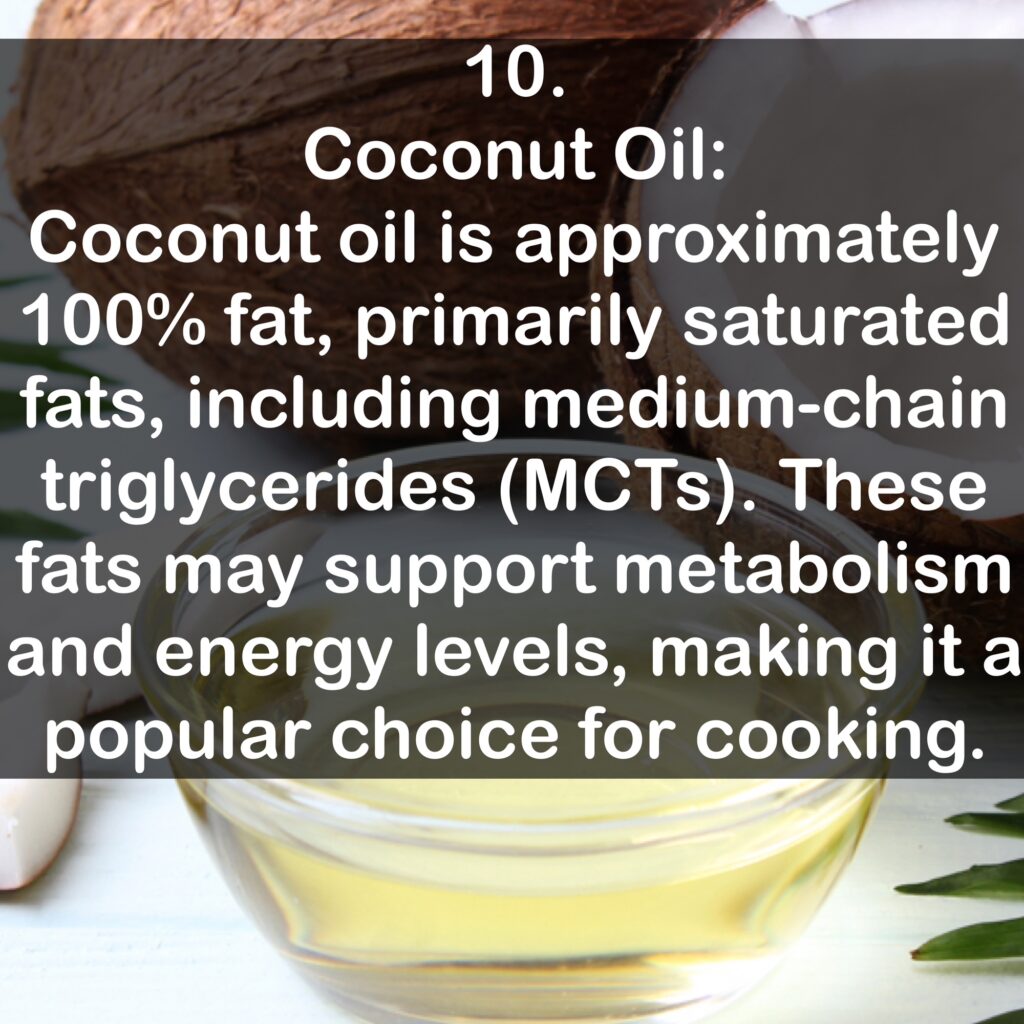
 [
[
CLICK Below to For More:

NEXT: 11 Benefits of Warm Lemon Water

Related Links:
- Lose Weight and Be Healthy With These Carbohydrate Foods
- Consume Natural Foods For a Healthy Bowel movement
- Top Foods for Healthy and Strong teeth
- Top Foods and Tips for Healthy Eyes
- Top Foods for Healthy and Strong Bones
- Top Foods For Healthy Hair
- Foods For Healthy Skin
- Top 35 Foods for Healthy Digestion
- Top 40 Heart Healthy Foods
- Top Foods and Tips for Healthy Skin
- 22 Healthy Foods to Boost Your Energy
- 7 Ways to Live a Longer and Healthy Life
- Top Foods for Blood Sugar Control
- 10 Simple Tips to Stay Healthy and Fit (Free ebook Download📖)
- 5 Foods to Eat for Better Sleep
- The Benefits of a Healthy Diet: Why it Matters More than Ever
- Diet & Fitness Quiz🌿
- 30 Healthy Eating Tips🍏
- How to Avoid Processed Foods Without Stress
- Vitamin A Rich Foods
- Ways to Stay Motivated on a Healthy Journey
- Top 30 Phosphorus Rich Foods
- Top 16 Vitamin B12 Rich Foods
- Top 10 Foods for Diabetics
- Top Foods to Boost Your Brain
- Eat Beans & Lentils For Healthy Hair
- Top 9 Whole Grain Foods You Must Eat
- Top Probiotics for a Healthy Gut: Boost Your Digestive Health Naturally
- Top Foods for Hormone Balance
- 11 Iodine Rich Foods 🦐
- Choose a Healthy Meat
- Common Healthy Eating Mistakes and How to Avoid Them
- Pre-Workout Foods for Maximum Energy
- 5 Foods That Could Be Causing Your Headaches
- What is a Healthy Diet? A Complete Guide for Beginners
- A Healthy Bowel & Digestive Health
- Foods That Improve Digestion Naturally
- Reasons to Eat Organic Foods
- Top 18 Vitamin C Rich Foods
- Top Vitamin D Rich Foods
- Foods to Eat Before and After Exercise
- Healthy Lifestyle Changes That Can Add Years to Your Life
- How to Create a Balanced Plate: A Complete Guide to Healthy Eating
- Top 21 Foods High in Potassium
- Foods That Improve Kidney Health: What to Eat and Avoid
- Top Vitamin A Rich Foods
- Foods to Eat for Prostate Health: Nourishing Your Body the Natural Way
- Candida Albicans: How Does a Simple Yeast Affect Your Health?
- Top Foods to Boost Your Immune System
- 10 Healthy Eating Habits You Should Start Today
- Top 34 Magnesium Rich Foods🥜
- Top 20 Testosterone Boosting Foods
- Top Foods That Boost Your Metabolism Naturally
- Top 30 Anti-Cancer Foods
- 65 Simple Tips for a Healthy Lifestyle🥦
- Healthy Eating & Fitness🥗
- How to Find Joy in a Healthy Lifestyle Without Feeling Restricted
- How to Stay Consistent With Healthy Habits: A Practical Guide
- Top Fat Burning Foods
- Best Foods For The Heart
- Eat Organic Foods Whenever Possible
- Foods to Eat Before and After Running
- Top 24 Most Hydrating Foods
- Top 15 Probiotic Foods
- Add Green Foods To Your Diet
- 13 Foods to Help you Lose Weight
- Top 10 Worst Junk Foods
- Top High Energy Foods
- Avoid Addictive Foods
- Top 15 Water Rich Foods
- Foods Richest In Calcium
- Foods That Help Lower Cholesterol
- Top 9 Foods To Help Prevent Cancer
- Avoid Salty Foods
- Vitamin E Rich Foods
- Vitamin K Rich Foods
- Top 10 Metabolism Boosting Foods
- High Fiber Foods
- 5 Power Foods to Get You Through Your Work Day
- Top 22 Anti-inflammatory Foods
- Top 10 Anti-Bloat Foods
- Top 17 Vitamin E Rich Foods
- Top Foods Highest in Vitamin K
- Top 24 Foods High in Electrolytes
- Top 13 Weight Loss Foods
- Top 35 Foods to Lower Cholesterol
- 20 Mood Boosting Foods
- Top 26 Calcium Rich Foods
- Top 36 Iron Rich Foods
- Top 31 Anti-Aging Foods
- Iron-Rich Foods
- Top 20 Zinc Rich Foods
- Top 43 Liver Cleansing Foods
- Top 20 Collagen Rich Foods
- 10 Foods that are more Nutritious when cooked
- Add Vitamin C Rich Foods To Your Diet
- Improve Your Health With Organic Foods
- Eliminate Or Reduce Processed Foods
- Top Foods and Tips for Muscle Building
- Top 18 Foods to Reduce Cortisol Levels