Top 10 Metabolism Boosting Foods


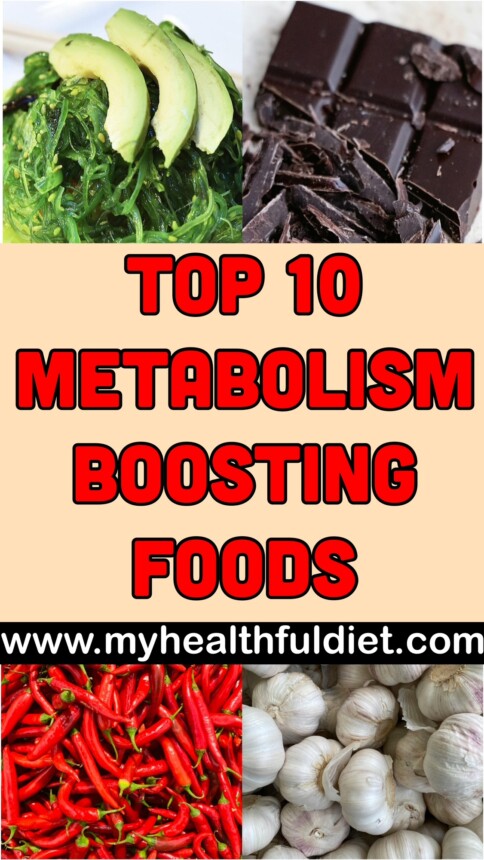 Eating metabolism-boosting foods helps your body use energy more efficiently, which can support weight management and fat loss. These foods often increase calorie burn during digestion and help maintain muscle mass, which keeps your resting metabolism higher. They also stabilize blood sugar and provide steady energy, reducing crashes, cravings, and overeating.
There are a great many ways that you can improve the metabolism long term, including interval training, basic walking, and getting a good nights sleep. If you are curious about foods types, yes there are certain foods and nutrients that can support your efforts to slim.
Liquid rich meals including soup and juices:
Vegetable soups and juices contain an abundance of nutrients. Although fruits and vegetables are solid, they contain a high percentage of water. This component alone creates satiety in the stomach and prevents you from feeling the urge to overeat. Fruits and vegetables also contain fiber, which prevents constipation and keeps the bowels regular and healthy. A large percentage of the body is water, which is why juices and soups can greatly support the metabolism, as dehydration is known to slow the metabolism.
Spices:
Certain spices can regulate the metabolism. Another advantage of spices is that they can flavor a meal without the need to add additives like salt or sugar. Garlic is a common spice that is used to flavor meals. Cinnamon tastes delicious with apple compote, sprinkled on a latte, or used in a muffin base. Research from Canada discovered that pungent spices like ginger, mustard seeds and black pepper helped people to burn an additional 1,000 calories each day.
Omega-3 fatty acids:
Foods rich in omega 3 fatty acids include salmon, nuts, seeds, and hemp oil. The reason why high-fat monounsaturated fats are so effective for the metabolism is due to their ability to reduce the production of leptin, a hormone that lowers the metabolism. The University of Wisconsin studied the effects of leptin on lab mice, and the mice with the lower levels of leptin were found to have the fastest metabolism.

Caffeine rich foods and drinks:
Yes, milk chocolate contains caffeine, but darker chocolate varieties are a healthier choice due to their antioxidant benefits. Aim to buy dark chocolate containing a minimum of 85 percent cocoa solids. Black coffee is a stimulant that will provide substantial energy prior to a workout, or coffee can be drunk if you need a little pick me up throughout the day. Black tea is also an effective way to improve the metabolism. The consumption of 4 to 6 cups of tea will support the body to burn approximately 80 to 128 extra calories per day. Green tea contains significantly less caffeine than black tea and coffee, and the catechins (antioxidants) within green tea support weight loss.
Hot foods:
The chili pepper has a starring role in improving the metabolism to aid weight loss. The heat source in the chili pepper is called capsaicin and this heat is more potent or milder in other varieties of chili pepper. Spicy foods cause reactions in the body, including watery eyes, a runny nose, mucus reduction, and heat (thermogenesis). A study by UCLA discovered that the dieters who consumed capsaicin retained a higher metabolism several hours after eating.
Kelp:
Kelp is found in seaweed and is available in an affordable supplement form. It has a distinctive fishy smell and taste. Kelp is loaded with vitamins, minerals, amino acids, and its key ingredient; iodine regulates the thyroid hormone and supports a healthy metabolism.
Protein-Rich Foods
Protein-rich foods like eggs, chicken, fish, and legumes help boost metabolism by increasing the thermic effect of food (TEF), meaning your body uses more energy to digest protein compared to fats or carbs. They also support muscle maintenance and growth, which raises your resting metabolic rate, helping you burn more calories even at rest.
Legumes
Legumes like beans, lentils, and chickpeas boost metabolism by being high in protein and fiber, which increases the thermic effect of food (TEF) and requires more energy to digest. Their fiber slows digestion and stabilizes blood sugar, providing steady energy and reducing cravings. Combined with their muscle-supporting protein, legumes help maintain a higher resting metabolic rate, promoting long-term metabolic health.
Whole Grains
Whole grains like oats, brown rice, and quinoa support metabolism by requiring more energy to digest than refined carbs, increasing calorie burn through the thermic effect of food (TEF). Their high fiber content helps regulate blood sugar levels, preventing energy spikes and crashes. This steady energy supply supports overall metabolic function and helps maintain a healthy weight.
Greek Yogurt
Greek yogurt supports metabolism thanks to its high protein content, which increases the thermic effect of food (TEF) and helps your body burn more calories during digestion. It also provides probiotics that support gut health, which plays a role in metabolic efficiency. Plus, its protein helps preserve muscle mass, keeping your resting metabolism higher over time.
Nuts
Nuts like almonds, walnuts, and pistachios support metabolism by providing a mix of protein, healthy fats, and fiber, which increase the thermic effect of food (TEF) and promote steady energy use. They help control hunger and prevent overeating, supporting weight management. Their nutrients also aid overall metabolic health and sustained energy levels.
In conclusion, adding metabolism-boosting foods to your diet is a simple way to support better energy use, weight management, and overall health. While they won’t create drastic changes alone, they work best alongside regular exercise, good sleep, and balanced nutrition to help your body function more efficiently and sustainably over time.