10 Ways to Stay Full Longer With Smart Eating: A Complete Guide


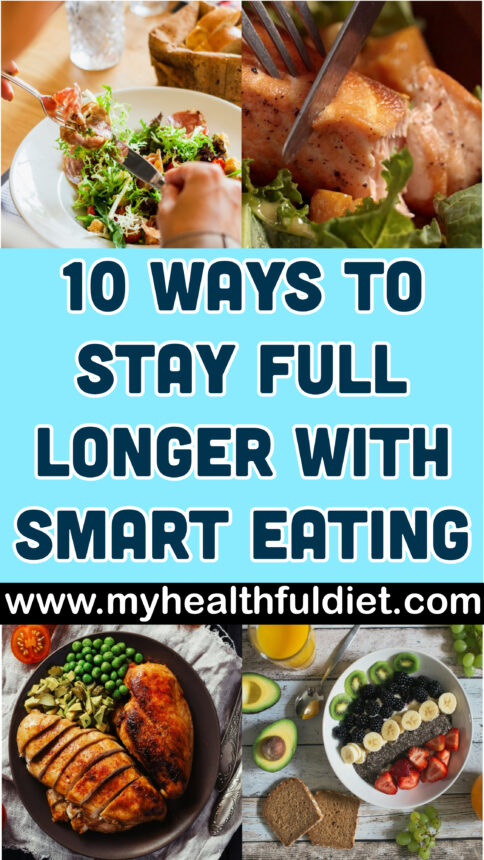 Ever catch yourself hungry again right after you just ate? You’re not alone. Feeling full isn’t just about piling more food on your plate—it’s about choosing the right foods and paying attention to what your body really needs. A bit of balance goes a long way. When you know how your body reacts to different foods, mix up your nutrients, and plan your meals with a little intention, you end up with steadier energy, fewer cravings, and yeah, it can even help with your weight goals. Let’s dive into some real-world tips and tricks to help you stay full and satisfied, meal after meal.
Understanding Hunger and Fullness
Before diving into strategies, it’s important to understand why we feel hungry. Hunger is your body’s signal that it needs fuel. The key hormones involved include:
- Ghrelin: Known as the “hunger hormone,” ghrelin rises before meals, signaling your brain that it’s time to eat.
- Leptin: This hormone signals fullness and helps regulate long-term energy balance.
By eating smartly, you can help your body respond appropriately to these signals, reducing overeating and mid-day crashes.
1. Prioritize Protein in Every Meal
Protein is one of the most effective nutrients for increasing satiety. It slows digestion, stabilizes blood sugar, and triggers the release of fullness hormones.
Tips for smart protein choices:
- Include lean meats like chicken, turkey, or fish.
- Plant-based options like lentils, chickpeas, tofu, and tempeh.
- Eggs and low-fat dairy products.
- Snack on protein-rich nuts or Greek yogurt.
Studies show that meals higher in protein can reduce hunger and prevent overeating at your next meal, making it a cornerstone of smart eating.
2. Don’t Forget Fiber
Fiber adds bulk to your meals without adding extra calories. It slows down digestion, keeps blood sugar levels stable, and promotes a feeling of fullness.
High-fiber foods to include:
- Whole grains like oats, quinoa, and brown rice.
- Fruits such as apples, berries, and pears.
- Vegetables like broccoli, carrots, and leafy greens.
- Legumes including beans, lentils, and peas.
Aim for at least 25–30 grams of fiber per day. Combining fiber with protein can be especially effective at prolonging satiety.
3. Healthy Fats Are Your Friend
While fats are calorie-dense, they are essential for long-term fullness. They slow the digestive process and provide a stable source of energy.
Smart fat sources:
- Avocados and olives.
- Nuts and seeds like almonds, chia, and flaxseed.
- Fatty fish such as salmon and mackerel.
- Small amounts of olive oil or nut butter.
Including moderate amounts of healthy fats in your meals keeps you full and reduces the urge for unhealthy snacks.
4. Choose Low-Glycemic Carbs
Carbohydrates affect blood sugar levels, which can impact hunger. Low-glycemic carbs release glucose slowly into the bloodstream, preventing spikes and crashes that trigger cravings.
Examples of smart carbs:
- Whole grains: oats, barley, and quinoa.
- Sweet potatoes and other root vegetables.
- Most fruits: apples, berries, pears, and oranges.
- Legumes: lentils, beans, and chickpeas.
Pairing these carbs with protein and fiber maximizes their satiety effect.
5. Drink Water and Stay Hydrated
Sometimes thirst masquerades as hunger. Drinking water before meals can help you feel full and reduce the likelihood of overeating.
Smart hydration habits:
- Start your day with a glass of water.
- Drink water 20–30 minutes before meals.
- Include herbal teas or infused water for variety.
- Monitor urine color; pale yellow usually indicates good hydration.
Proper hydration supports digestion and helps you distinguish between true hunger and mere thirst.


6. Eat Mindfully
Mindful eating can drastically improve your perception of fullness. Paying attention to hunger cues and savoring each bite prevents overeating.
Tips for mindful eating:
- Eat without distractions like TV or phones.
- Chew slowly and savor flavors.
- Stop eating when you’re about 80% full.
- Notice textures and smells—your brain registers satisfaction more effectively this way.
Mindfulness retrains your body to respond to actual hunger signals rather than emotional or habitual eating triggers.
7. Smart Snacking Strategies
Snacks aren’t bad—they’re opportunities to extend fullness between meals. The key is to choose snacks that combine protein, fiber, and healthy fats.
Examples of smart snacks:
- Apple slices with almond butter.
- Greek yogurt with berries and chia seeds.
- Handful of mixed nuts and a piece of fruit.
- Carrot sticks with hummus.
By planning snacks wisely, you can avoid the temptation of high-sugar, low-nutrient options that cause rapid spikes and crashes in blood sugar.
8. Meal Timing and Frequency
While there’s no one-size-fits-all approach, spreading meals evenly throughout the day can prevent extreme hunger. Skipping meals often leads to overeating later.
Smart meal timing tips:
- Eat breakfast within an hour of waking.
- Include protein and fiber in every meal.
- Consider balanced snacks between meals if you have long gaps.
- Avoid eating too close to bedtime, which may affect digestion and sleep.
Experiment with meal timing to find what best controls your appetite and energy.
9. Limit Highly Processed Foods
Highly processed foods, especially those high in sugar and refined carbs, are digested quickly and leave you hungry soon after eating.
Foods to limit:
- Sugary drinks and snacks.
- White bread, pastries, and refined cereals.
- Fast food and packaged convenience meals.
Replacing them with nutrient-dense, high-fiber, and high-protein alternatives helps maintain fullness and prevents energy crashes.
10. Sleep and Stress Management
Believe it or not, staying full is not just about food—it’s also about hormones. Lack of sleep and high stress increase ghrelin (hunger hormone) and decrease leptin (fullness hormone), leading to overeating.
Tips for better hormone balance:
- Aim for 7–9 hours of quality sleep.
- Practice stress-reducing activities like meditation, walking, or yoga.
- Avoid late-night screen time to support circadian rhythms.
Optimizing sleep and stress levels can make smart eating far more effective.
Conclusion
If you want to feel full longer, it’s not just about cutting back on food—it’s about making better choices. Load up on protein, fiber, healthy fats, and carbs that don’t spike your blood sugar. Drink enough water. Pay attention to your meals. And don’t ignore habits that keep your hormones happy. All of this helps you keep hunger in check, crush those cravings, and keeps your energy steady.
Try adding these habits one at a time and see what actually fits you. Eating smart isn’t some temporary fix or crash diet. It’s a way of living that sticks. Your stomach—and your energy—will thank you for it.