Foods That Improve Kidney Health: What to Eat and Avoid
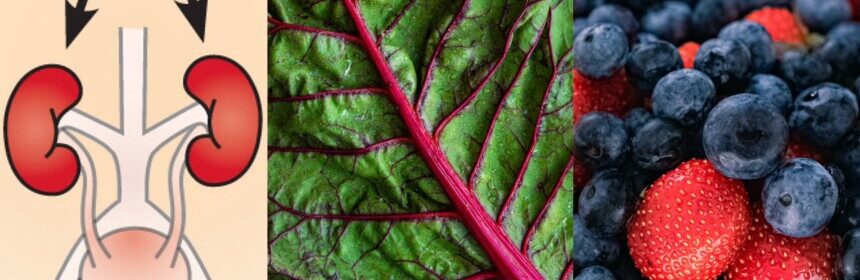

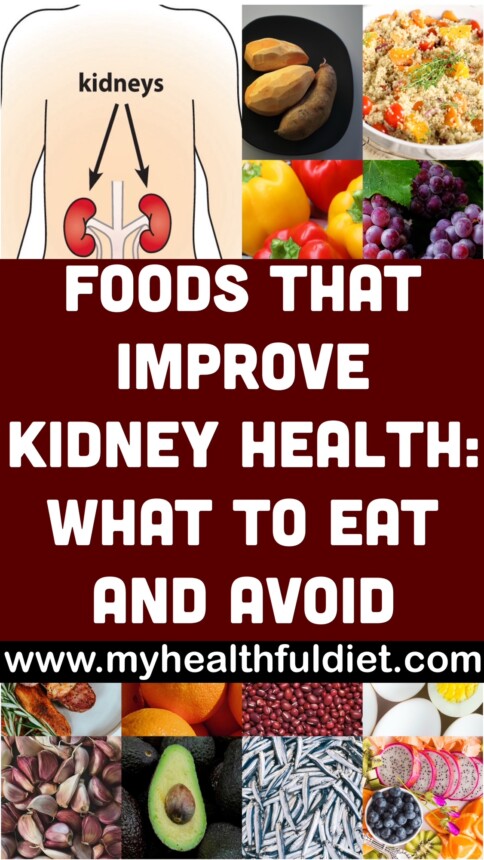 Most people don’t give their kidneys a second thought—at least, not until something goes wrong. These two little organs are constantly at work, filtering out waste, balancing fluids, keeping blood pressure in check, and making sure your body has the right amount of minerals. It’s easy to take them for granted when they’re working. But when they’re not, you feel it everywhere.
Here’s the good part: what you eat can make a real difference. The right foods support your kidneys and lower your risk of chronic kidney disease. Sure, diet won’t magically reverse serious kidney trouble, but it does help protect healthy kidneys and can slow things down if you’re at risk. Not sure where to start? Don’t worry—this guide lays out what to eat (and what to skip) to give your kidneys the support they deserve.
Understanding How Diet Affects the Kidneys
Your kidneys do a lot behind the scenes. They filter your blood, flush out toxins through urine, and keep your sodium, potassium, and phosphorus levels in check. They even help manage your blood pressure and make sure your body produces enough red blood cells. But when your kidneys get damaged, they can’t clear out waste or balance fluids the way they should. That buildup leads to problems—high blood pressure, heart disease, and messed-up electrolytes, just to name a few.
What you eat plays a big role in all of this. Too much salt pushes your blood pressure up and makes your kidneys work harder. If you already have kidney issues, eating a lot of protein only piles on more stress. When your kidneys aren’t working right, high levels of phosphorus and potassium can actually turn dangerous. On the flip side, loading up on whole foods packed with fiber and antioxidants helps cut inflammation and keeps your metabolism running smoothly. That kind of diet gives your kidneys a fighting chance.
Foods That Support Kidney Health
A kidney-friendly diet isn’t about restriction for most people with healthy kidneys. It’s about balance, quality, and moderation.
Fruits and vegetables really set the stage for keeping your kidneys healthy. They’re packed with antioxidants that fight off oxidative stress, which is a big reason kidneys get damaged in the first place. Berries, apples, grapes, and citrus? These stand out for their protective power. Leafy greens, bell peppers, and cabbage offer plenty of vitamins and plant nutrients, and they don’t come loaded with sodium, either. If someone’s dealing with advanced kidney disease, they might need to keep an eye on potassium, but for most people, eating more produce just helps.
Whole grains matter, too. Think brown rice, oats, quinoa, whole wheat—these foods bring fiber to the table, which helps your heart and keeps your blood sugar steady. Since diabetes and high blood pressure are the main reasons kidneys start to fail, keeping those in check is crucial. Fiber-rich foods make your body respond better to insulin and cut down on inflammation, both of which protect your kidneys.
Protein’s important, but it’s worth being a little selective. Fish, skinless chicken, eggs, beans, and lentils give you solid protein without piling on saturated fat. Fatty fish like salmon and sardines come with an extra bonus: omega-3s that lower inflammation and can even help with blood pressure. If your kidneys are healthy, moderate amounts of protein are good for you. But for people with chronic kidney problems, protein needs can get tricky, so it’s best to follow a doctor’s advice.
Healthy fats count, too. Olive oil, avocados, nuts, and seeds all give you the kind of fats your heart actually likes—monounsaturated and polyunsaturated. And since your heart and kidneys are closely linked, looking after your heart means you’re looking after your kidneys, too. Swapping out saturated fats for these healthier options can boost your cholesterol numbers and calm down inflammation.
Don’t forget about water. Staying hydrated makes it easier for your kidneys to clear out waste and lowers your chances of getting kidney stones. Most healthy people can just check their urine—if it’s clear or pale yellow, you’re probably good. But if you have advanced kidney problems, you might need to watch your fluids, so get advice that’s tailored for you.

The Role of Sodium in Kidney Health
Sodium has a huge impact on kidney health. Too much of it raises blood pressure, and that’s one of the main reasons kidneys start to fail. The crazy thing is, most of the sodium we eat doesn’t even come from the salt shaker. It sneaks in through processed foods—things like canned soups, deli meats, frozen dinners, fast food, and all those salty snacks.
If you want to lower your sodium, skip those packaged foods when you can. Cooking at home helps a lot, since you control what goes in. Try swapping out salt for things like fresh herbs, garlic, lemon, or a splash of vinegar—your food will still taste great, and your blood pressure will thank you.
Most people should try to keep sodium below 2,300 milligrams a day. If you have high blood pressure or kidney problems, your doctor probably wants you closer to 1,500 milligrams. Always good to double-check with them.
Protein: Finding the Right Balance
Protein matters—a lot. It keeps your muscles strong, supports your immune system, and helps your body heal. But here’s the thing: breaking down protein creates waste your kidneys have to clear out. If your kidneys work fine, eating a reasonable amount of protein isn’t a problem. Too much, though, and you start making your kidneys work overtime.
If you already have chronic kidney disease, watching your protein is even more important. It’s not about cutting protein out completely. It’s about picking good sources and sticking to the right amounts. Getting advice from a registered dietitian can really help you figure out what works for your body.
Big organizations like the National Kidney Foundation say there’s no one-size-fits-all plan. Kidney health is personal. It depends on your lab results, how far the disease has progressed, and your overall health. What works for one person might not work for someone else.
Potassium and Phosphorus: When Monitoring Matters
Potassium and phosphorus are both important for your body. Potassium keeps your muscles and nerves working well, and phosphorus helps build strong bones and teeth. Normally, your kidneys keep the right balance by getting rid of any extra.
But when your kidneys start to fail, these minerals can pile up in your blood. Too much potassium can mess with your heart’s rhythm, which gets dangerous fast. Too much phosphorus? That can weaken your bones and even harm your blood vessels.
Most people don’t need to worry about this. Foods like bananas, oranges, spinach, and sweet potatoes are great sources of potassium and are healthy if your kidneys work fine. But if you have advanced chronic kidney disease, you might have to cut back on some of those foods. Phosphorus is another one to watch, especially because it hides in processed foods and sodas as phosphate additives that your body absorbs really easily.
Bottom line: You usually don’t have to stress about these minerals unless your kidney disease gets worse. And if you do, don’t try to manage it alone—always do it with help from your doctor.
Foods That May Harm Kidney Health
Some foods just make things harder on your kidneys. Processed stuff is a big problem—think salty snacks, packaged meals, fast food. They’re packed with sodium, unhealthy fats, added sugars, and all kinds of artificial additives. Eat these too often and your blood pressure goes up, your blood sugar swings out of control, and your body gets more inflamed.
Sugary drinks like soda or sweetened juice don’t help, either. They’re tied to obesity and type 2 diabetes, both of which seriously up your risk for kidney disease. Too much sugar also sets the stage for metabolic syndrome, which just puts even more pressure on your kidneys.
Red meat and processed meats, especially if you eat a lot, aren’t doing your kidneys any favors. Research keeps showing that a heavy diet of processed meats raises your chances of developing chronic kidney disease. Swapping in fish, chicken, or plant-based proteins more often helps protect your kidneys.
Alcohol’s another one to watch. Too much can mess with your kidney function and spike your blood pressure. Sure, a little alcohol might be fine for some people, but drinking heavily leads to dehydration and can do lasting damage to your kidneys over time.
The Connection Between Blood Pressure, Diabetes, and Kidneys
Your kidneys don’t work on their own—they’re connected to everything else going on in your body. High blood pressure and diabetes lead the list when it comes to causes of chronic kidney disease, all over the world. Taking care of these conditions—eating well, staying active, and taking medicine when you need it—really helps protect your kidneys.
A diet that’s a lot like the DASH plan (that stands for Dietary Approaches to Stop Hypertension) lowers blood pressure and supports healthy kidneys. That means eating plenty of fruits and vegetables, choosing whole grains, picking lean proteins, and cutting back on salt. Lots of kidney doctors suggest this kind of eating to help prevent problems.
If you find out you have kidney disease, groups like the American Kidney Fund have good info to help you out. Still, nothing beats advice that’s tailored just for you.
Practical Steps for Everyday Kidney Support
You don’t have to turn your life upside down to take care of your kidneys. Honestly, it’s the small habits you stick with that really add up over time.
Check the sodium on food labels when you shop. Go for fresh foods instead of packaged stuff when you can. Try to have more plant-based meals during the week. Swap out the sugary drinks for water—just keep a bottle with you and sip throughout the day. And don’t skip those regular doctor visits. Keeping your blood pressure and blood sugar in check matters.
If you know you’re at higher risk—maybe kidney problems run in your family, or you have diabetes or high blood pressure—get screened regularly. These simple tests catch problems early, often before you even notice anything’s wrong. Catching things early really changes the game.
When to Seek Professional Guidance
If you’ve found out your kidneys aren’t working as well as they should, or you have protein in your urine or unusual electrolyte levels, don’t try to change your diet on your own. Cutting out too many nutrients without a professional’s help can actually do more harm than good.
A registered dietitian who knows renal nutrition can look at your lab results, your medications, and where you are with kidney disease, then come up with a plan that fits just for you. Everyone’s needs are different, so what works for someone else might not work for you.
The Bottom Line on Foods for Kidney Health
Eating in a way that’s good for your kidneys is pretty simple—stick with real, whole foods, don’t overdo the protein, watch the salt, and drink enough water. Build your meals around fruits, veggies, whole grains, lean meats or fish, and healthy fats. That’s not just good for your kidneys, it helps your whole body.
Skip the salty snacks, processed foods, sugary stuff, and piles of red or processed meat. Those hit your kidneys hard. The real game-changer? Keeping your blood pressure and blood sugar in check. No single “superfood” does more for your kidneys than that.
Your kidneys do their job quietly, day in and day out. Giving them the right fuel is one of the smartest things you can do for your health down the road.