
10 Facts About Vitamin D

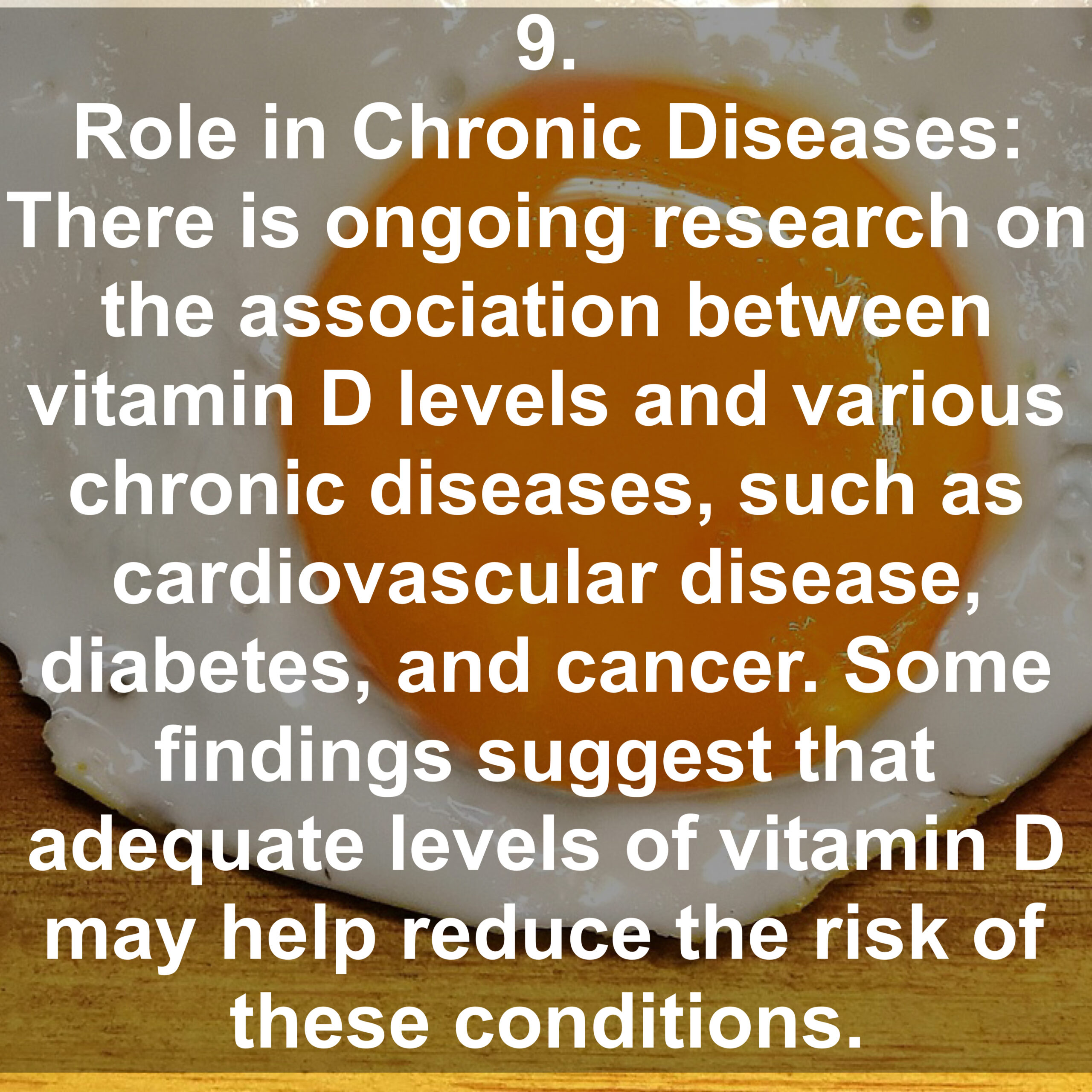
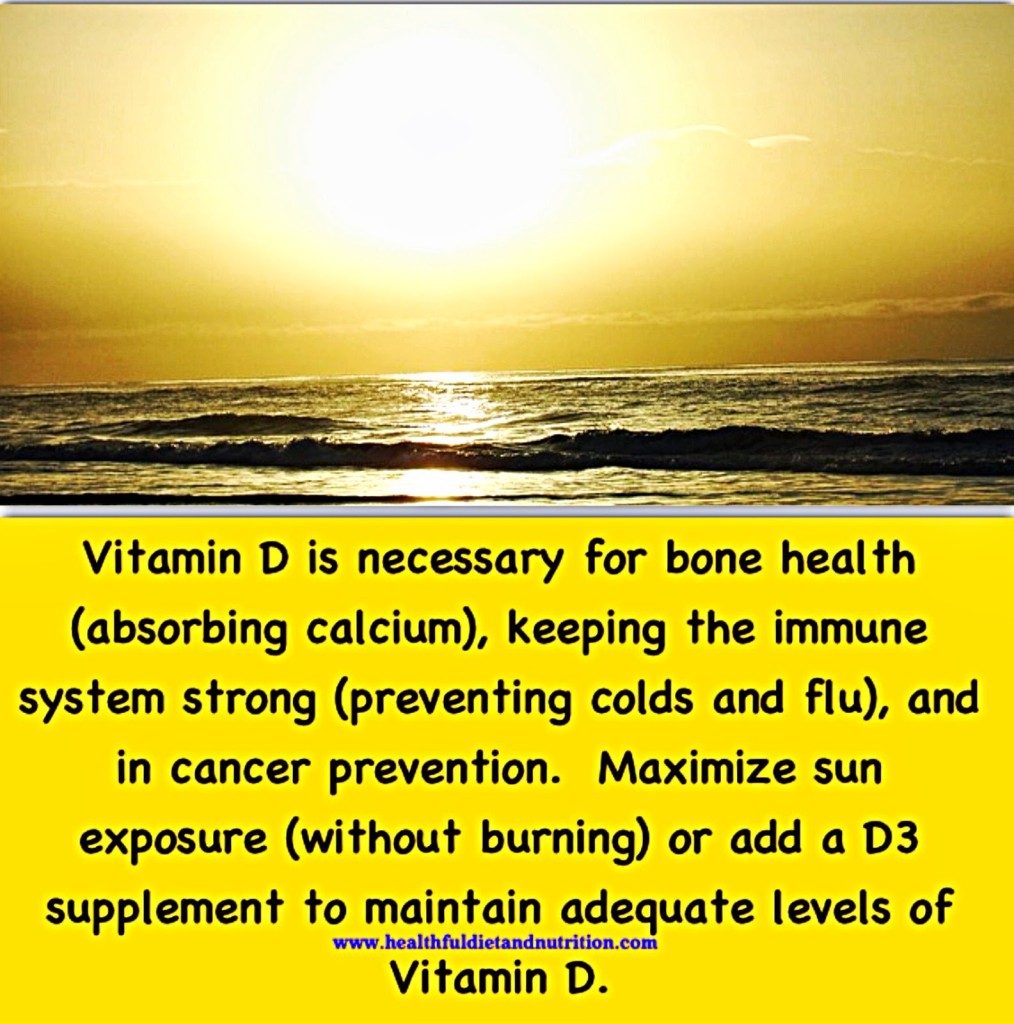
Vitamin D is vital for bone health, regulating calcium and phosphorus, supporting immune function, enhancing mood, and reducing the risk of chronic diseases.







Related Links:
Click the Links Below to Learn More:




Click “NEXT” Below For More:

NEXT: Vitamin D Deficiency Symptoms


Related Links:
- 10 Facts About Vitamin E
- Top Vitamin D Rich Foods
- 10 Facts About Vitamin C
- Top 34 Magnesium Rich Foods🥜
- 7 Facts About Vitamin K
- 10 Facts About Vitamin A
- 10 Facts about Calcium
- 10 Benefits of Vitamin B12
- Vitamin D Deficiency Symptoms
- Vitamin C Benefits
- Top 30 Phosphorus Rich Foods
- B Vitamins Benefits
- 10 Benefits of Phosphorus
- Top 16 Vitamin B12 Rich Foods
- 7 Facts About Dragon Fruit
- Papaya And Vitamin C
- 20 Mood Boosting Foods
- Vitamin A, Calcium And Nail Health
- Vitamin K Rich Foods
- Vitamin E Rich Foods
- Vitamin D And Sun Exposure
- Phosphorus Deficiency Symptoms
- Vitamin K Rich Foods
- Vitamin C and Stress
- Vitamin C Deficiency Symptoms
- Vitamin A Rich Foods
- Cigarette Smoke And Vitamin C
- 10 Dietary Facts about Potassium
- 10 Health Benefits of Sardines
- Top 18 Vitamin C Rich Foods
- 10 Benefits Spinach
- Top Vitamin A Rich Foods
- Take a Vitamin & Mineral Supplement
- Top 17 Vitamin E Rich Foods
- Facts About Calcium
- Top Foods for Hormone Balance
- Add Vitamin C Rich Foods To Your Diet
- Vitamin K Deficiency Symptoms
- 10 Benefits of Bell Pepper
- 10 Health Benefits of Broccoli🥦
- 7 Facts About Blood Orange
- Vitamin B12 Deficiency Symptoms
- Cardio Exercise Benefits
- 10 Benefits of Mangosteen
- 10 Health Benefits of Chestnuts🌰
- 10 Benefits of Quinoa
- 10 Benefits of Drinking Water💧
- How To Know If Your Diet Is Healthy Enough
- Vitamin A Deficiency Symptoms
- Consume Vitamin A Rich Foods
- Calcium And Bone Health
- 10 Benefits of Tangerine
- 10 Benefits of Apricot
- 10 Benefits of Tomato🍅
- 10 Benefits of Magnesium
- 10 Health Benefits of Cashew nuts
- 10 Benefits of Whole Grains🌾
- 10 Benefits of Salmon
- Consume Organic Fruits & Vegetables Daily
- 10 Benefits of Acorn Squash
- 10 Benefits of Lime🍋🟩
- 10 Benefits of Protein
- 10 Health Benefits of Iron
- Top Foods for Healthy and Strong Bones
- Tips To Help You Sleep Better
- Excess Alcohol & Calcium Absorption
- 10 Benefits of Eggs🥚
- 10 Health Benefits of Walnuts
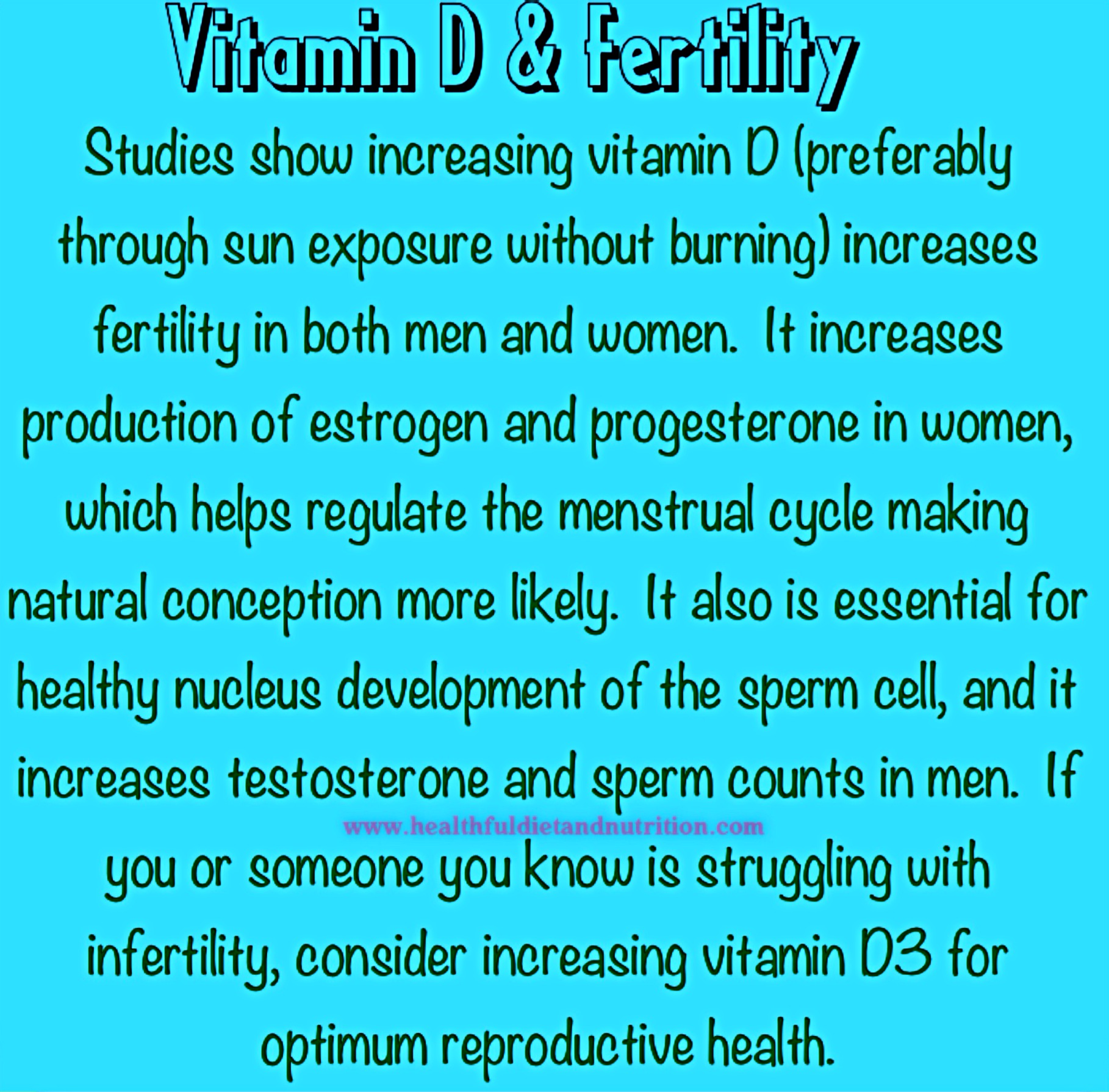
- Vitamin D & Fertility
- 10 Benefits of Probiotics
- Nutrients That Help Build Strong Bones
- Block Out Exposure To Light During Sleep
- Substitute Soda For Water
- 10 Benefits of Kale🥬
- 10 Benefits of Fish Oil🐟
- 10 Benefits of Grapes
- 10 Folic Acid Benefits for Women
- 10 Benefits of Jackfruit
- 10 Benefits of Calcium
- Resveratrol Health Benefits
- 10 Benefits of Pumpkin Seeds
- Top Foods and Tips for Healthy Eyes
- Get Enough hours of Sleep
- 10 Benefits of Carrot Juice
- 10 Benefits of Sunflower seeds🌻
- 10 Health Benefits of Avocado🥑
- Top Foods Rich in Vitamin C That You Can Include in Your Diet
- 7 Facts About Cholesterol
- Vitamin E Deficiency Symptoms
- 10 Benefits of Papaya
- 10 Benefits of Banana
- 13 Folic Acid Deficiency Symptoms
- 10 Benefits of Kiwi Fruit🥝
- 10 Benefits of Lettuce
- 10 Benefits of Radish
- What Are Dietary Minerals?
- 8 Benefits of Chia Seed
- 10 Benefits of Pecans
- Benefits of B vitamins
- Top Foods for Healthy and Strong teeth