10 Facts About Vitamin A


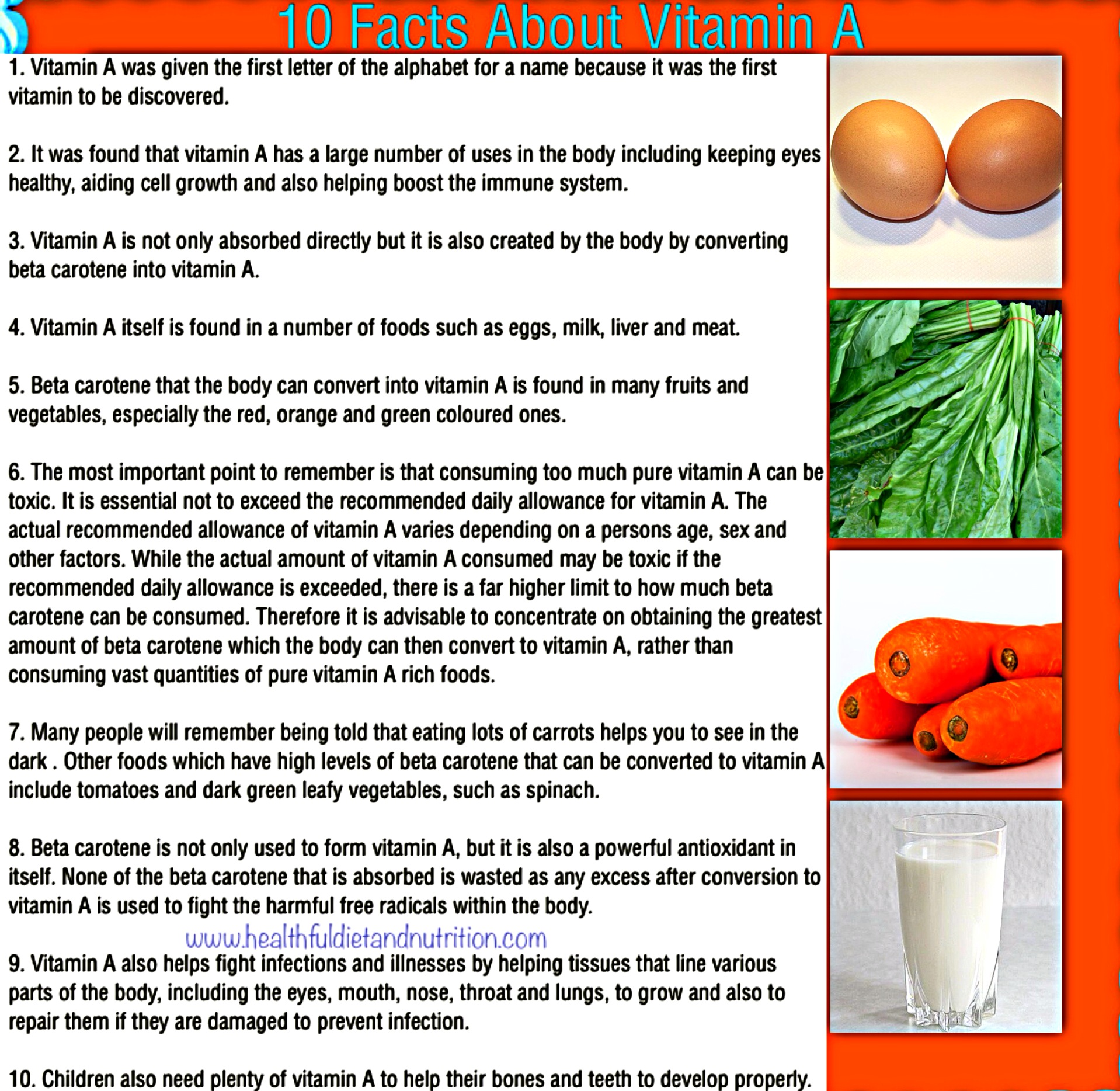
Vitamin A is essential for vision, immune function, and skin health. It supports growth and development, playing a vital role in overall well-being. Here are the 10 facts about vitamin A:




Click “NEXT” Below For More:

NEXT: Vitamin A Deficiency Symptoms

Related Links:
- 10 Facts About Vitamin E
- 10 Facts About Vitamin D
- Vitamin A Rich Foods
- 10 Facts About Vitamin C
- Vitamin A Deficiency Symptoms
- 7 Facts About Vitamin K
- 10 Benefits of Vitamin B12
- 10 Facts about Calcium
- Vitamin E Deficiency Symptoms
- 10 Dietary Facts about Potassium
- Vitamin A, Calcium And Nail Health
- Vitamin C Deficiency Symptoms
- Benefits of B vitamins
- Cigarette Smoke And Vitamin C
- Top Vitamin A Rich Foods
- 10 Benefits of Zinc
- 7 Facts About Dragon Fruit
- Zinc Deficiency Symptoms
- 10 Benefits of Iodine🍤
- Vitamin C Benefits
- Folic Acid Deficiency Symptoms
- Calcium And Bone Health
- Consume Vitamin A Rich Foods
- Vitamin D Deficiency Symptoms
- Papaya And Vitamin C
- Vitamin E Rich Foods
- 12 Biotin Deficiency Symptoms
- Vitamin C and Stress
- 10 Vitamin D Facts
- Vitamin B12 Deficiency Symptoms
- 10 Benefits of Phosphorus
- Folic Acid Benefits for Women
- Top 17 Vitamin E Rich Foods
- 10 Benefits of Magnesium
- Top Foods to Boost Your Immune System
- Vitamin D & Fertility
- 10 Health Benefits of Iron
- Top 16 Vitamin B12 Rich Foods
- Vitamin D And Sun Exposure
- Vitamin K Deficiency Symptoms
- 10 Iodine Deficiency Symptoms🦪
- Facts About Sweating
- Phosphorus Deficiency Symptoms
- Top Foods to Boost Your Brain
- Potassium Deficiency Symptoms
- Top Foods Highest in Vitamin K
- 10 Benefits of Fish Oil🐟
- Calcium Deficiency Symptoms
- 7 Biotin Benefits for Skin
- 7 Facts About Blood Orange
- Top 20 Zinc Rich Foods
- 10 Benefits of Protein
- Foods Richest In Calcium
- 21 Facts About Real Food
- Facts About Calcium
- Top Vitamin D Rich Foods
- Facts about Table Salt
- Top Foods and Tips for Healthy Eyes
- Vitamin E Rich Food
- Top Foods Rich in Vitamin C That You Can Include in Your Diet
- Vitamin K Rich Foods
- 12 Iron Deficiency Symptoms
- Lemon Peels: 5 Surprising Benefits for Your Health
- Add Vitamin C Rich Foods To Your Diet
- Get Enough hours of Sleep
- Probiotics Deficiency Symptoms
- 7 Facts About Cholesterol
- 10 Benefits of Papaya
- 8 Biotin Benefits for Hair
- Magnesium Deficiency Symptoms🫘
- Top 18 Vitamin C Rich Foods
- Boost Your Energy with Beef Liver Supplement
- 10 Benefits of Pumpkin Seeds
- 6 Benefits of Okra
- Top Foods for Hormone Balance
- Top Foods for Healthy and Strong teeth
- Nutrients That Help Build Strong Bones
- Tips To Help You Sleep Better
- What Are Vitamins?
- 10 Benefits of Calcium
- 10 Health Benefits of Sardines
- 10 Benefits of Apricot
- 10 Benefits of Kiwi Fruit🥝
- 10 Benefits of Carrot Juice
- Top 20 Collagen Rich Foods
- Take a Vitamin & Mineral Supplement
- 11 Iodine Rich Foods 🦐
- Omega-3 Fatty Acids Benefits
- 10 Benefits of Salmon
- 10 Health Benefits of Pumpkin
- Top 30 Phosphorus Rich Foods
- 10 Benefits of Corn🌽
- Top 10 Nutrients for Hair Growth and Thickness
- 10 Benefits of Probiotics
- Reasons To Drink Water
- Take Multi-vitamin to Avoid Deficiencies
- 10 Benefits of Grapes
- 10 Benefits of Lemon🍋
- 10 Benefits of Acorn Squash
- Top Foods and Tips for Healthy Skin