Calcium Deficiency Symptoms

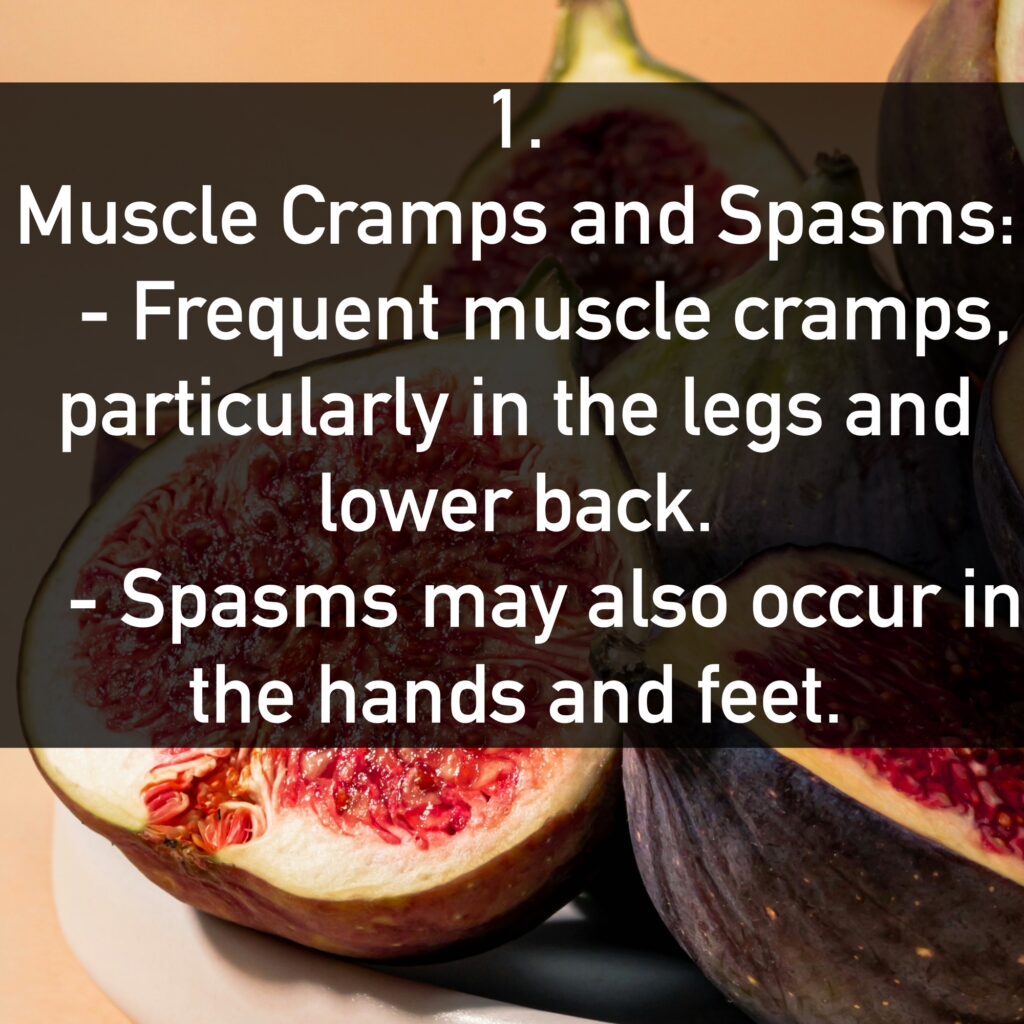
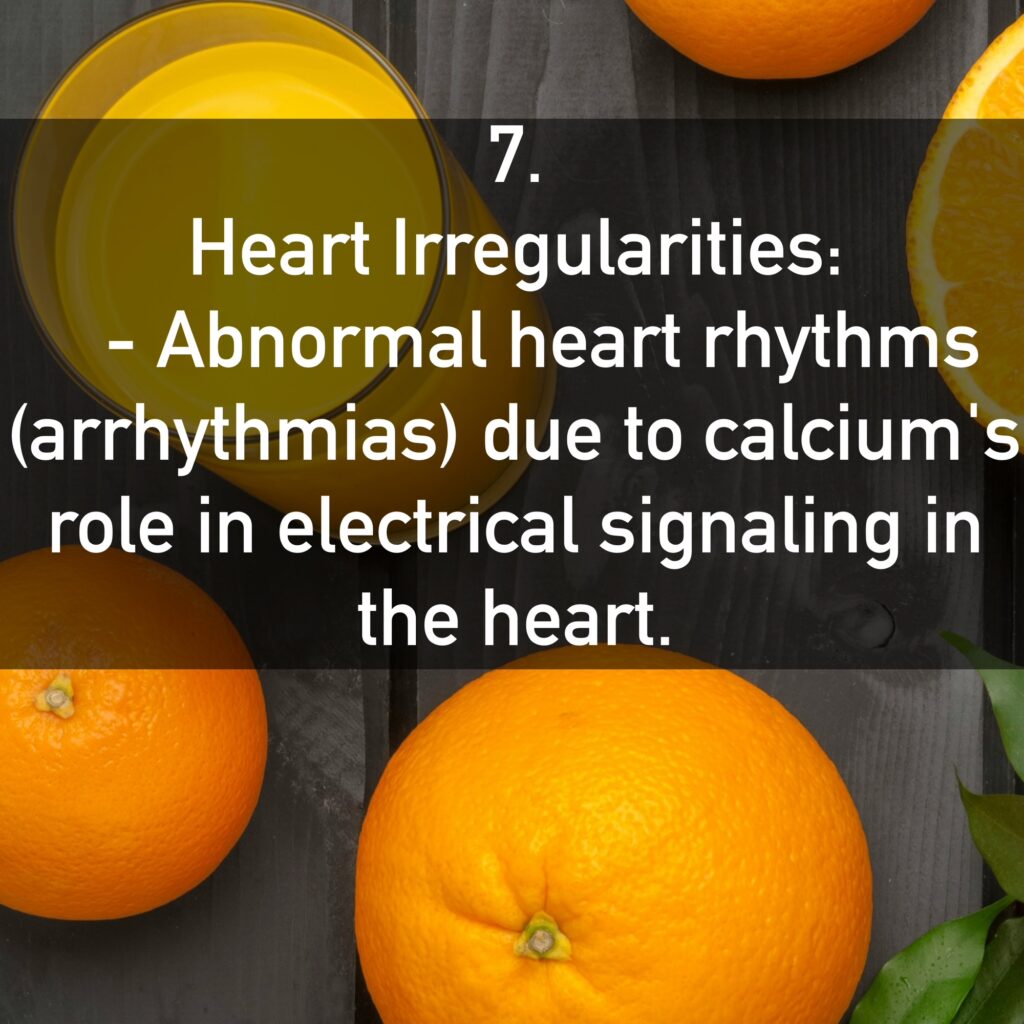
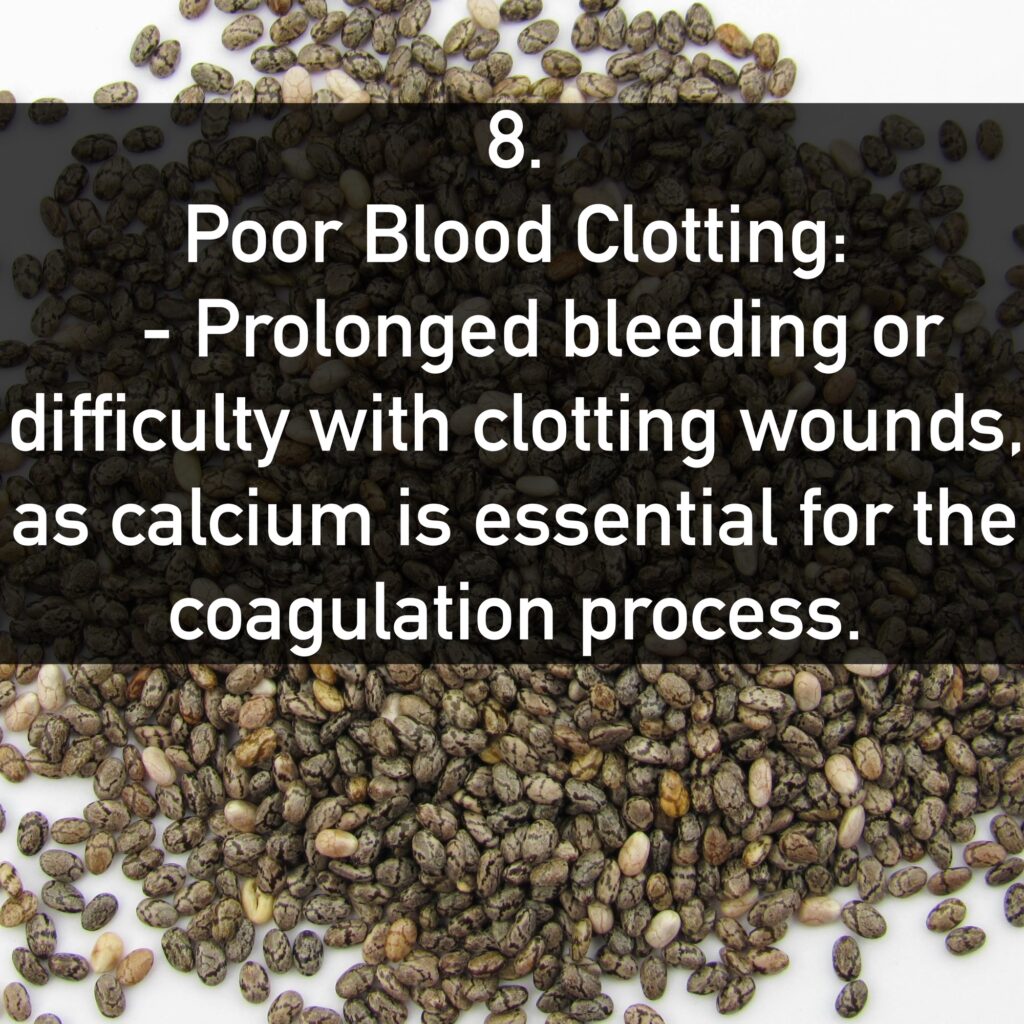
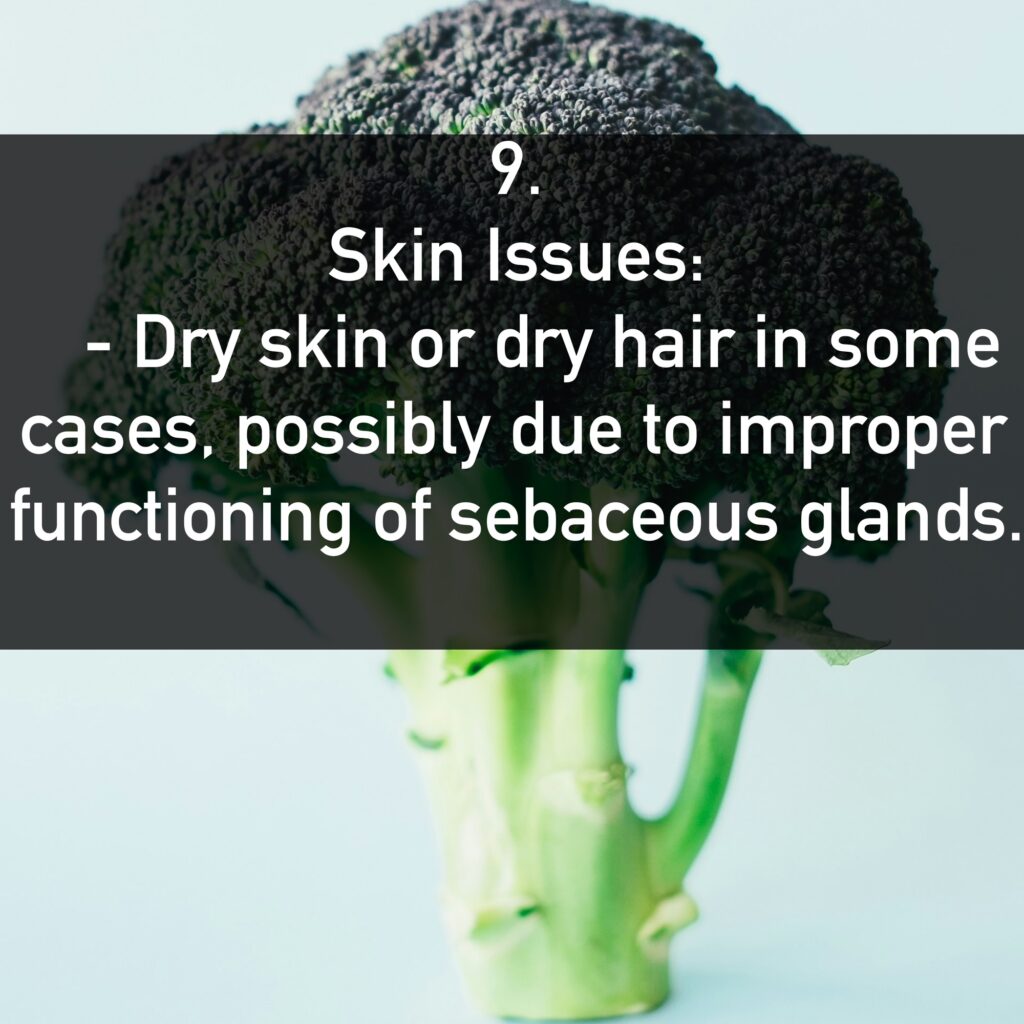
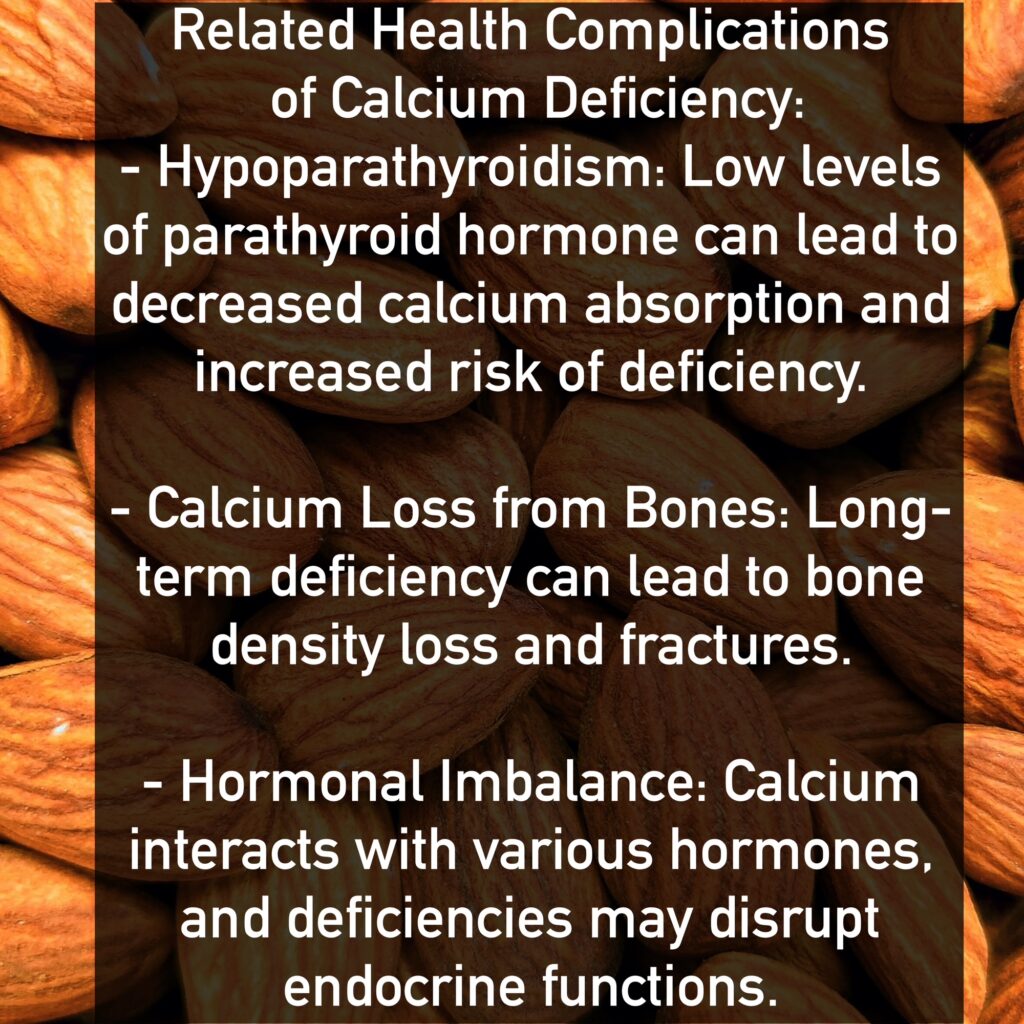
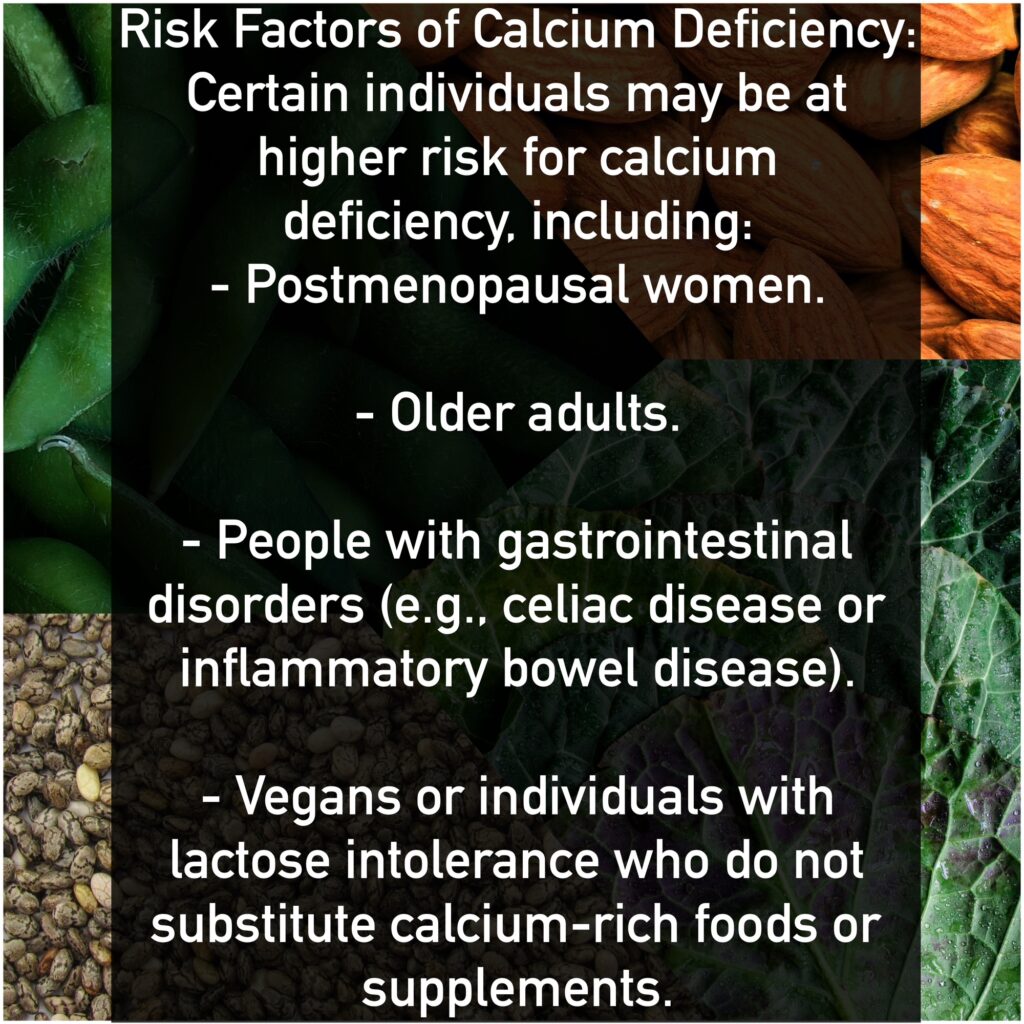
Calcium deficiency symptoms include brittle bones, muscle cramps, numbness, fatigue, and dental problems. Severe cases can lead to osteoporosis and heart issues.



CLICK Below to Continue:

NEXT: Top 26 Calcium Rich Foods

Related Links:
- Vitamin E Deficiency Symptoms
- Phosphorus Deficiency Symptoms
- Vitamin C Deficiency Symptoms
- Potassium Deficiency Symptoms
- 12 Iron Deficiency Symptoms
- Folic Acid Deficiency Symptoms
- Magnesium Deficiency Symptoms🫘
- 10 Iodine Deficiency Symptoms🦪
- 12 Biotin Deficiency Symptoms
- Vitamin K Deficiency Symptoms
- Vitamin A Deficiency Symptoms
- Vitamin B12 Deficiency Symptoms
- Vitamin D Deficiency Symptoms
- Probiotics Deficiency Symptoms
- 10 Facts about Calcium
- Zinc Deficiency Symptoms
- Vitamin A, Calcium And Nail Health
- Facts About Calcium
- Foods Richest In Calcium
- 10 Benefits of Calcium
- 10 Dietary Facts about Potassium
- Excess Alcohol & Calcium Absorption
- Should You Take Vitamins?
- Signs and Symptoms of Dehydration
- Calcium And Bone Health
- Causes And Symptoms Of Food Allergy
- 10 Facts About Vitamin D
- Top 26 Calcium Rich Foods
- Lemon Peels: 5 Surprising Benefits for Your Health
- Mercury Toxicity
- 11 Signs of High Blood Sugar
- Signs of High Cholesterol
- 11 Ways to Relieve Menstrual Cramps
- 10 Signs of High Blood Pressure
- Symptoms and Causes of Indigestion
- 13 Signs of Low Blood Sugar
- What Is An Allergy?
- Causes of Phosphorus Deficiency
- The 2 Types Of Diabetes And How They Differ
- Avoid Extreme Exercise
- 50 Ways too much Sugar affect the body
- The Health Benefits of Krill Oil
- The Side Effects Of NASAID Medications
- 9 Signs Your Gut Health Needs Attention
- 10 Benefits of Magnesium
- Signs Of Skin Cancer
- 4 Foods And Drinks That Spell Bad News for Your Bones
- Fruitarian Diet – Important Things Everyone Should Know
- Natural Remedy For Alcoholism
- 10 Benefits of Vitamin B12
- Food Highest in Calcium
- Indoor Air Pollution
- 10 Facts About Vitamin E
- 10 Benefits of Phosphorus
- 14 Signs of Low Testosterone in Men
- Avoid Diet Soda
- 16 Signs of High Cortisol
- Food Allergies
- Drink Alcohol Moderately
- 10 Benefits of Zinc
- Low Testosterone And Chemical Exposure
- 10 Health Benefits of Iron
- Water and Dehydration
- 7 Facts About Vitamin K
- The Harmful Health Effects of Smoking
- 10 Benefits of a Balanced Diet
- Cigarette Smoke And Vitamin C
- 10 Benefits of Iodine🍤
- Nutrients That Help Build Strong Bones
- 5 Foods That Could Be Causing Your Headaches
- 10 Benefits of Tofu
- Don’t Starve Yourself
- Effective Tips For Arthritis Pain Relief
- 10 Health Benefits of Sardines
- What Are Dietary Minerals?
- Correct Hormonal Imbalance the Natural Way
- Causes Of Depression
- Folic Acid Benefits for Women
- 10 Benefits of Yogurt
- What Are Vitamins?
- 10 Benefits of Eggs🥚
- Top 10 Nutrients for Hair Growth and Thickness
- 12 Benefits of Weights Training
- 10 Benefits of Probiotics
- Candida Albicans: How Does a Simple Yeast Affect Your Health?
- Maintain A Healthy Balance Of Electrolytes
- Top Foods for Healthy and Strong Bones
- Avoid Processed Foods To Maximize Health
- Facts about Table Salt
- 10 Benefits of Cloves
- 10 Health Benefits of Broccoli🥦
- Tips for Reading Food Labels and Toxic ingredients to avoid
- 13 Benefits of Walking 10000 Steps a day
- What Are Eating Disorders?
- Top 24 Foods High in Electrolytes
- 20 Benefits of Green Tea
- 10 Facts About Vitamin A
- Vitamin D & Fertility
- 12 Benefits of Fig Fruit
- 22 Healthy Foods to Boost Your Energy