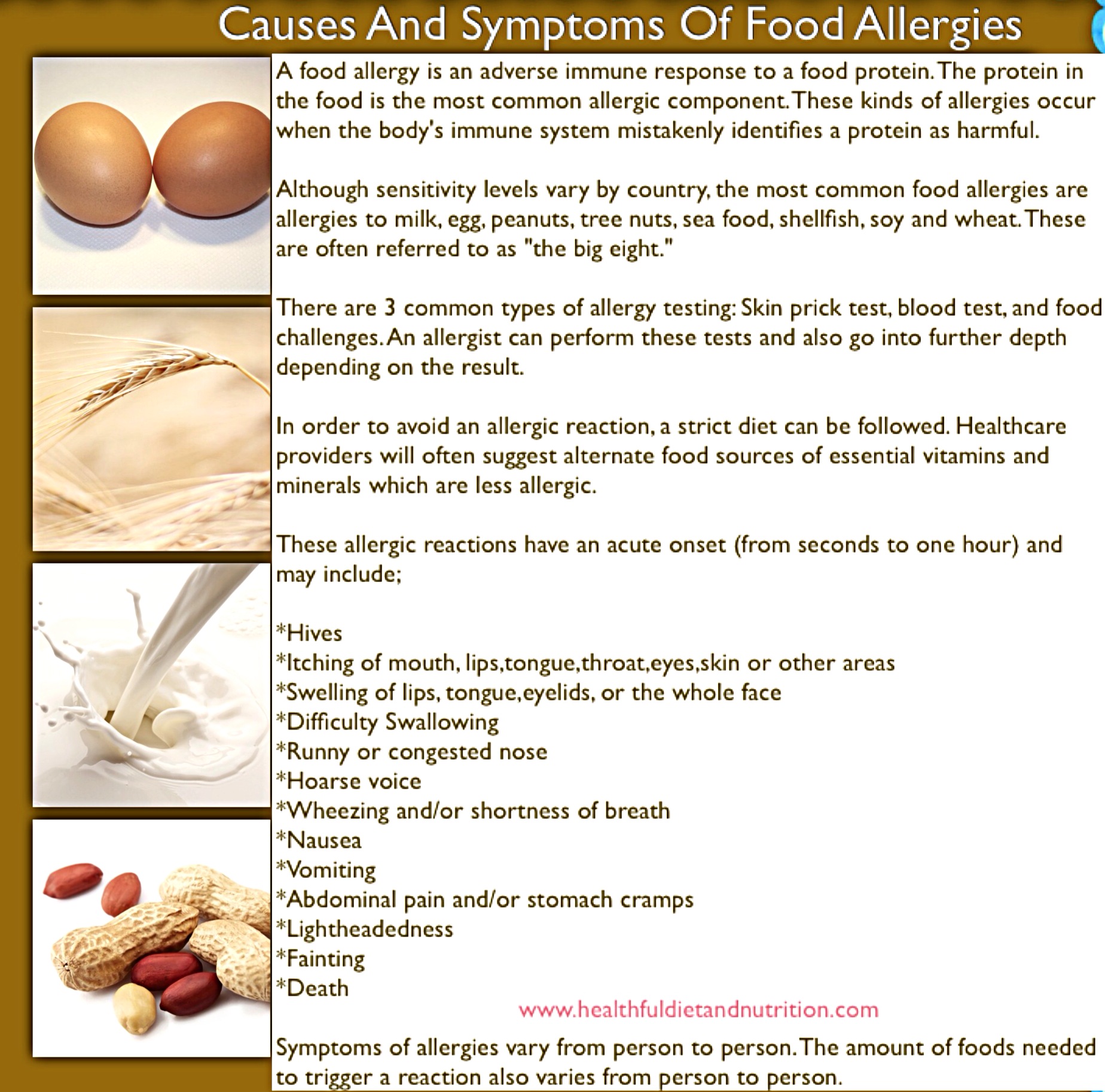
Causes And Symptoms Of Food Allergy

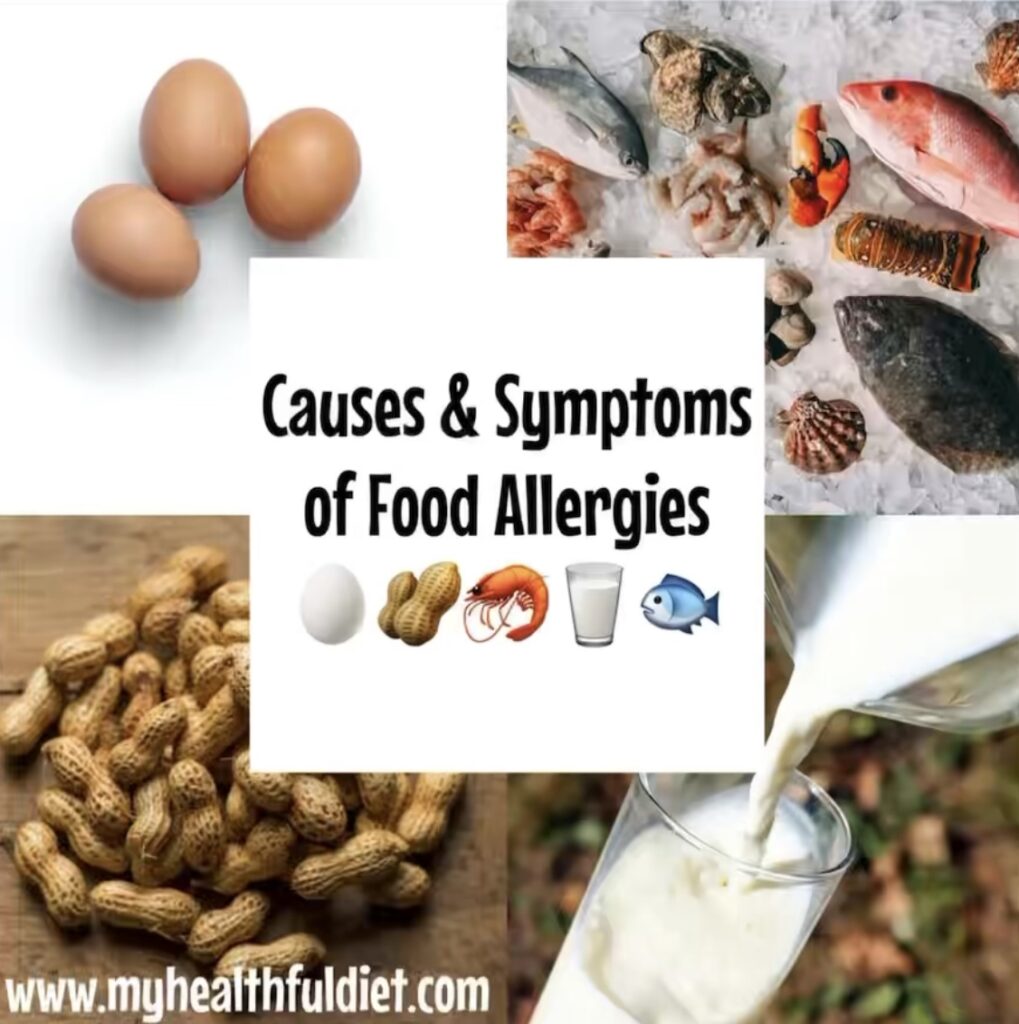
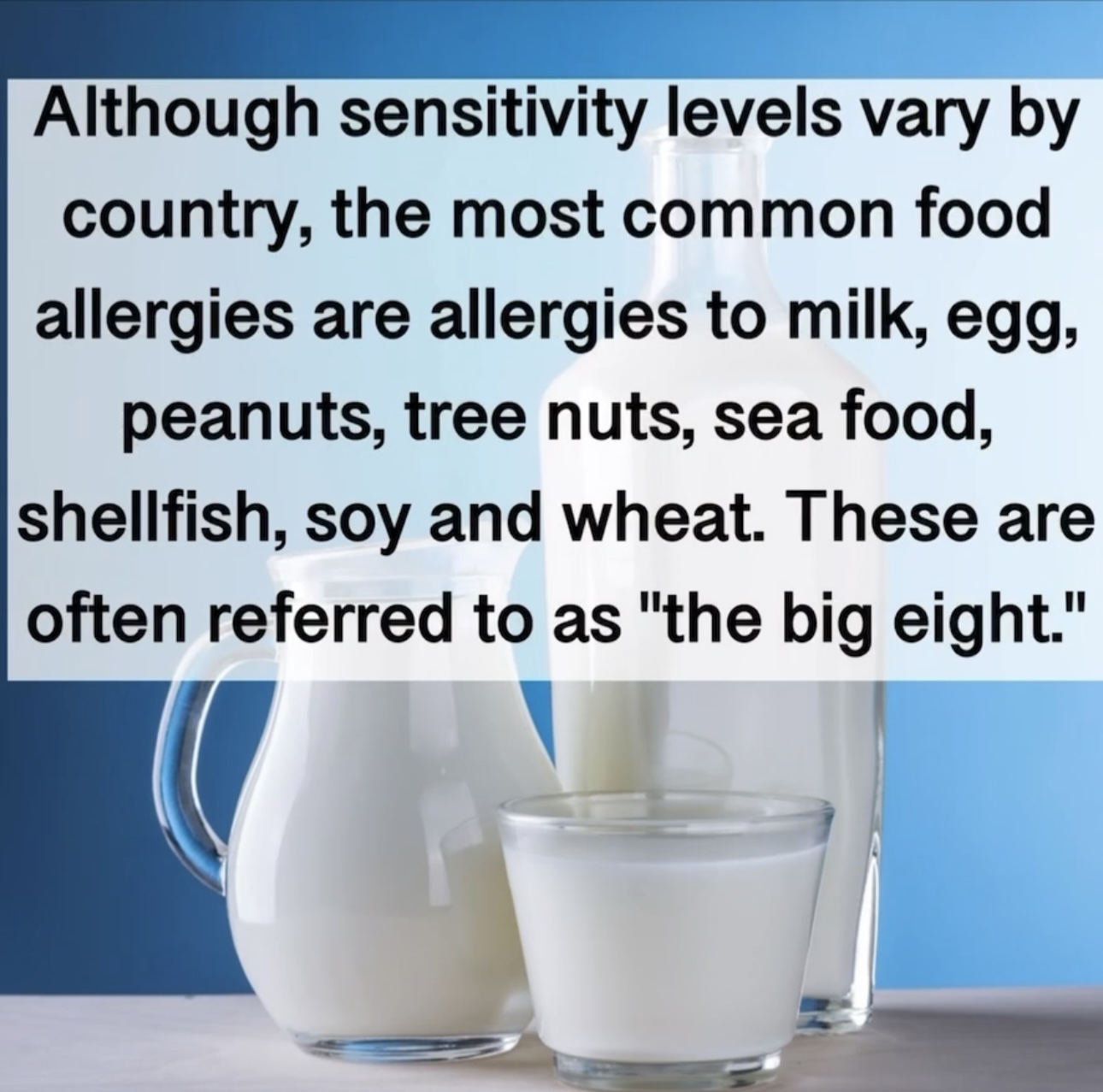
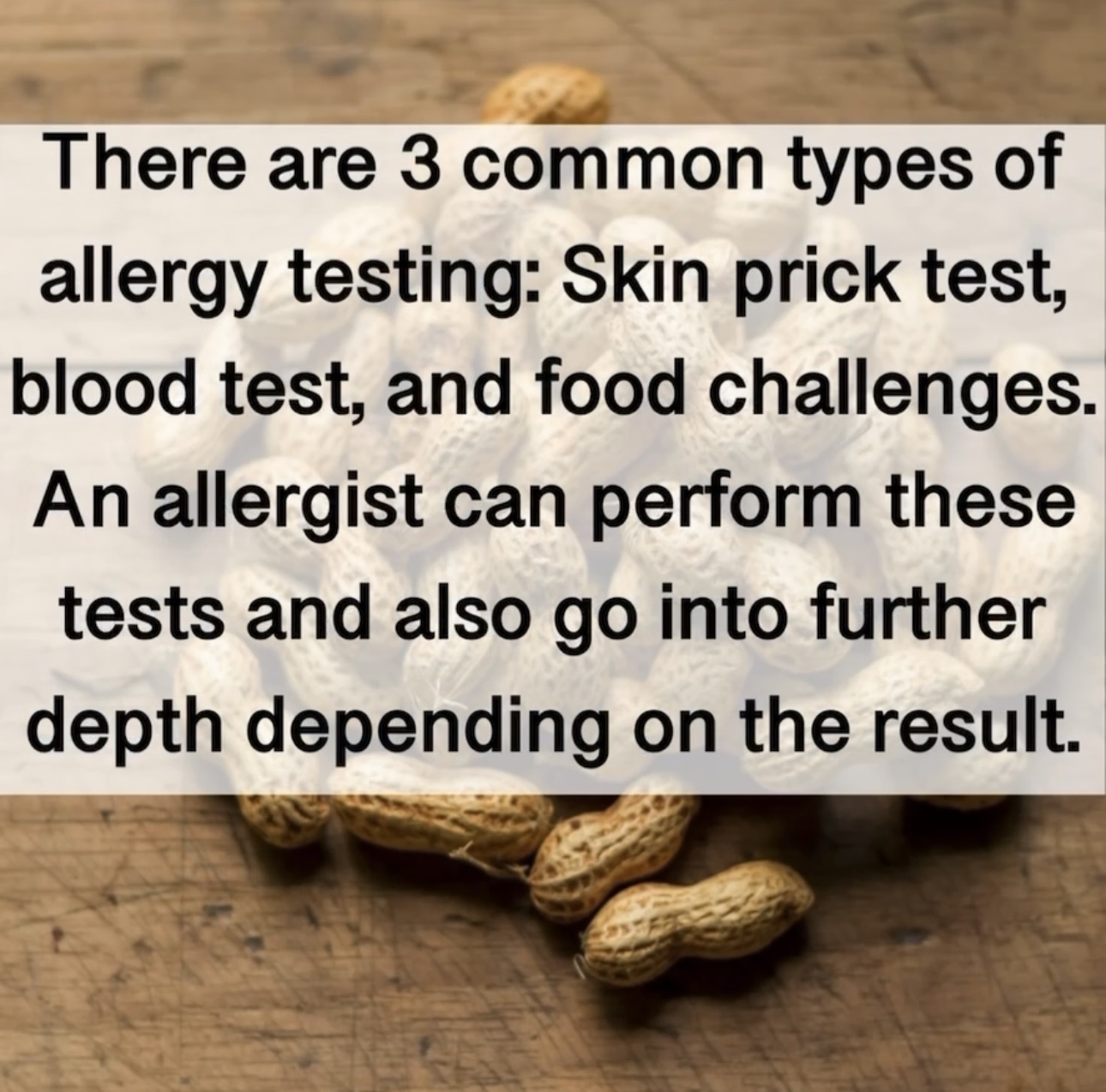
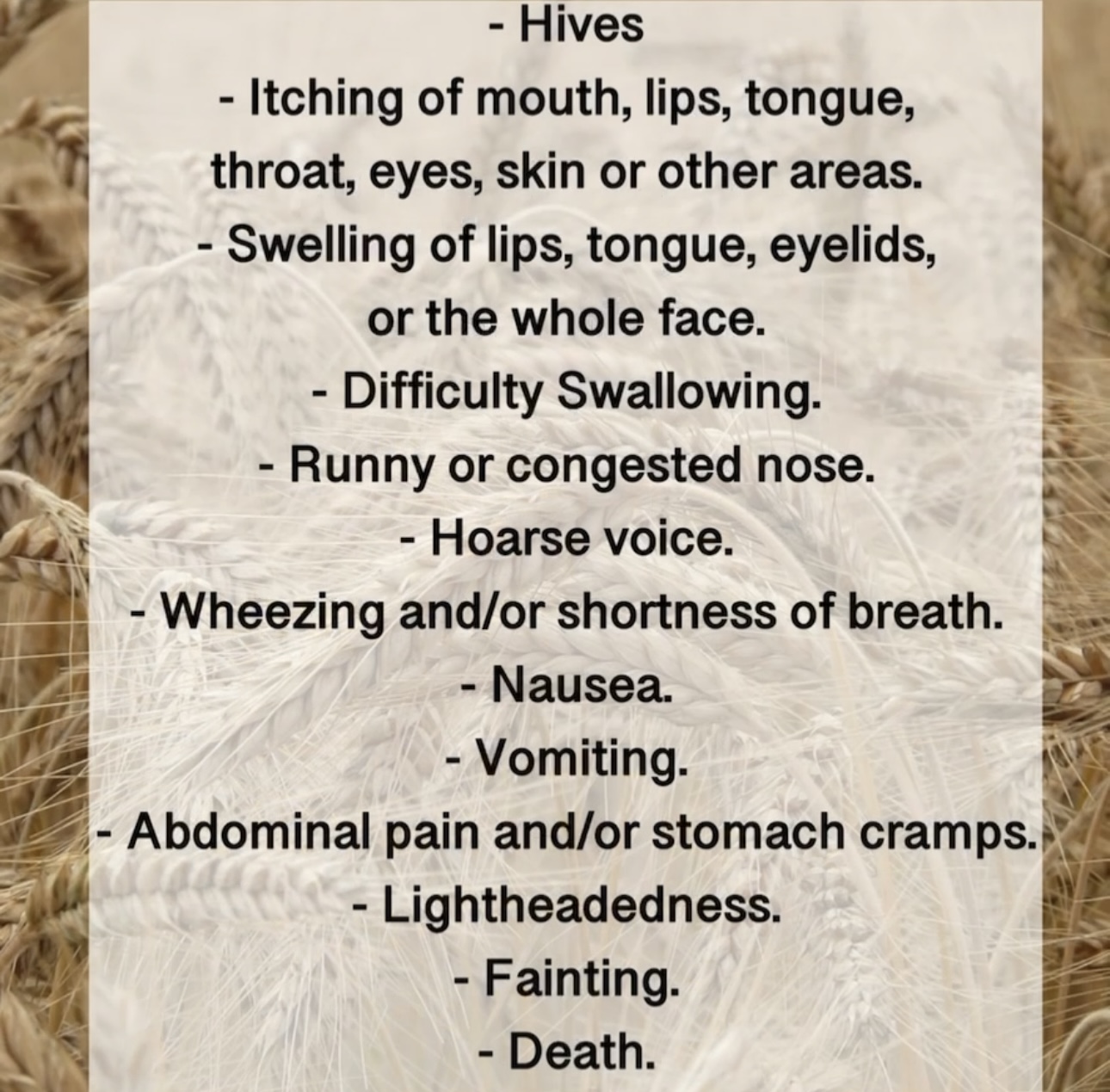
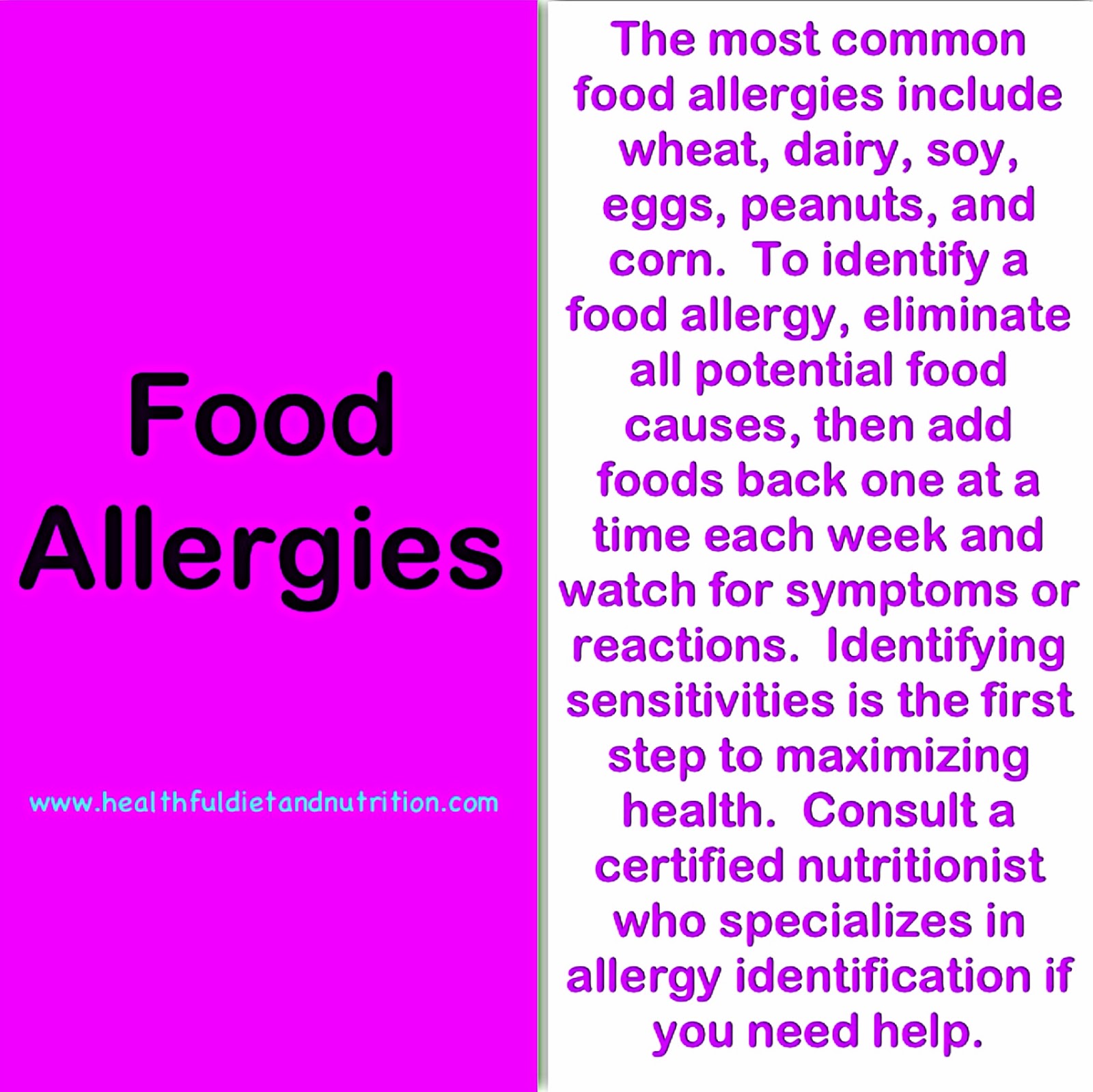
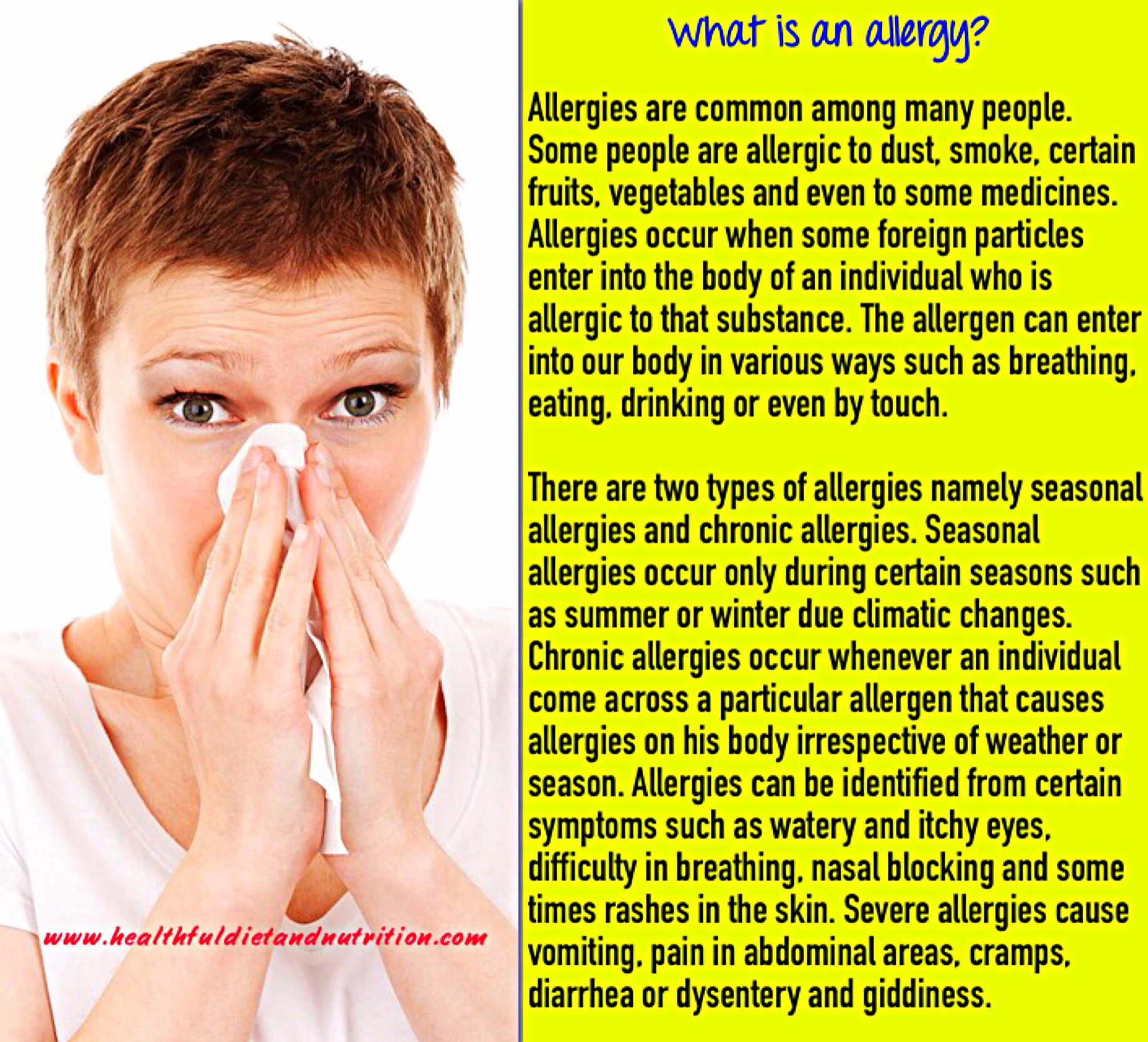
Food allergies arise when the immune system mistakenly identifies certain foods as harmful. Common causes include genetics, exposure, and specific proteins in foods.

Click “NEXT” Below For More:

NEXT: Natural Remedies For Allergies

Related Links:
- What Is An Allergy?
- Food Allergies
- 12 Iron Deficiency Symptoms
- Magnesium Deficiency Symptoms🫘
- Vitamin A Deficiency Symptoms
- Folic Acid Deficiency Symptoms
- Phosphorus Deficiency Symptoms
- 12 Biotin Deficiency Symptoms
- Probiotics Deficiency Symptoms
- Causes Of Hair Loss
- Vitamin D Deficiency Symptoms
- Symptoms and Causes of Indigestion
- Zinc Deficiency Symptoms
- Tips for Reading Food Labels and Toxic ingredients to avoid
- Vitamin C Deficiency Symptoms
- Signs and Symptoms of Dehydration
- Calcium Deficiency Symptoms
- 10 Iodine Deficiency Symptoms🦪
- Don’t Eat Anything Your Ancestors Would Not Recognize As Food
- Vitamin K Deficiency Symptoms
- Vitamin B12 Deficiency Symptoms
- Vitamin E Deficiency Symptoms
- Potassium Deficiency Symptoms
- Consume More Raw & Fresh Food
- Stay Away From Fast Food & Refined Sugar
- Take a Vitamin & Mineral Supplement
- Tips to Stop Emotional Eating and Build a Healthier Relationship with Food
- Skip The Fast Food
- Natural Remedies For Allergies
- 21 Facts About Real Food
- Skin Aging
- Gas, Bloating and Gut Pain Remedy
- 9 Signs Your Gut Health Needs Attention
- Mercury Toxicity
- Limit Fast Food Meal
- Vitamin E Rich Food
- Skin Cancer
- 22 Food Combinations for Maximum Nutrient Absorption
- Read The Food Label
- 5 tips to help you save on your food budget
- Avoid Processed Foods To Maximize Health
- Are You Consuming More Calories Than You Think? – 5 Food Types to Check
- Put Food On Your Plate Before You Eat
- Minimize Exposure To Chemicals To Prevent Cancer
- Indoor Air Pollution
- Avoid Or Limit Deep Fried Food
- Eliminate One Junk Food Weekly
- Dietary Supplements: Who Needs Them and How to Choose
- 3 Easy Tips For Making Healthy Food Choices
- Top Foods Rich in Vitamin C That You Can Include in Your Diet
- Food Quote
- Dieting for Diabetics: How to Lose Weight When Suffering from Diabetes
- Consume Organic Fruits & Vegetables Daily
- The Side Effects Of NASAID Medications
- Causes Of Depression
- How to Handle Constipation
- Add Spices To Everyday Food
- Top Foods to Boost Your Immune System
- Natural Remedy For Constipation
- What Is A Healthy Diet?
- Reasons to Eat Organic Foods
- The Truth About Fats: Good vs. Bad
- 5 Ways to Make Hair Grow Faster
- Food Highest in Calcium
- 10 Facts About Vitamin E
- Top Vitamin D Rich Foods
- 10 Facts About Vitamin D
- 14 Weight Loss Mistakes to Avoid
- How the Body Burns Calories
- Your Diet is Not Complete without these 7 Nutrients
- 5 Foods to Eat for Better Sleep
- Tips On How To Avoid Mosquito Bites
- 9 Types of Intermittent Fasting
- Take Multi-vitamin to Avoid Deficiencies
- Treatments For Cellulite
- What Are Proteins?
- Eliminate Trans Fat From Your Diet
- The Incredible Health Benefitsof a Raw Food Diet
- Limit Foods High In Cholesterol
- Correct Hormonal Imbalance the Natural Way
- 7 Ways To Prevent Depression
- Top Foods for Healthy and Strong teeth
- Shift Your Caloric Intake To a Natural Diet
- 14 Signs of Low Testosterone in Men
- Don’t Starve Yourself
- Eat Organic Foods Whenever Possible
- The Truths about Why People are REALLY Fat
- Simple Ways to Add More Protein to Your Diet
- 10 Benefits of Protein
- Top Foods and Tips for Healthy Eyes
- The Only Way To Keep Your Health
- Consume Organically Grown Foods
- Add Vitamin C Rich Foods To Your Diet
- Benefits of B vitamins
- Vitamin D And Sun Exposure
- 3 Summertime Tips to Prevent Skin Cancer
- 20 Benefits of Apple Cider Vinegar🍎
- Improve Your Health With Organic Foods
- 10 Benefits of Grape fruit
- Privacy Policy