
10 Dietary Facts about Potassium

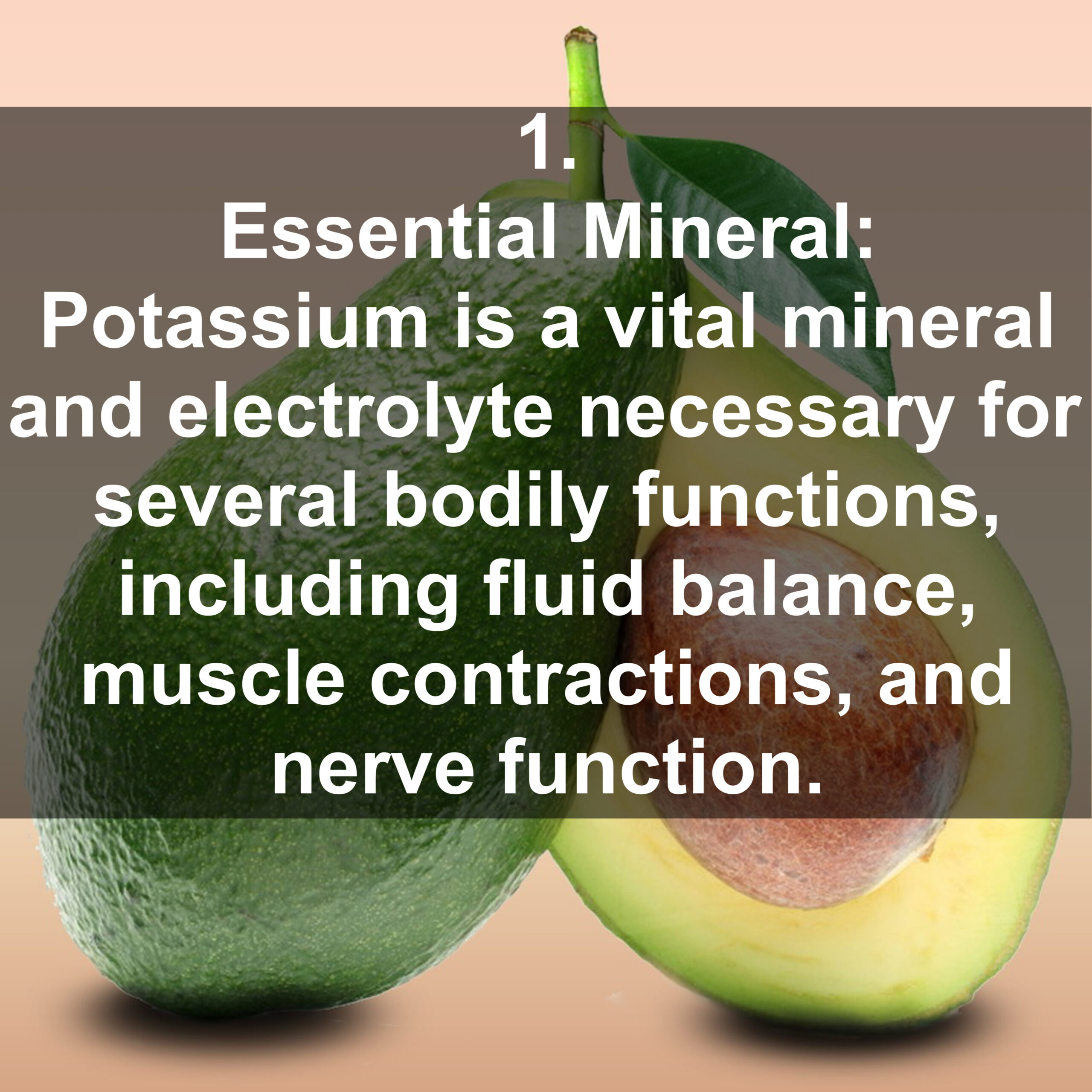
Potassium is an essential mineral and electrolyte vital for heart, muscle, and nerve function. It helps balance fluids, supports metabolism, and lowers blood pressure.

Related Links:
Click the Links Below to Learn More:




Click “NEXT” Below For More:

NEXT: Potassium Deficiency Symptoms


Related Links:
- Potassium Deficiency Symptoms
- Top 21 Foods High in Potassium
- Facts about Table Salt
- 10 Facts about Calcium
- 10 Benefits of Phosphorus
- Top 24 Foods High in Electrolytes
- 10 Benefits of Calcium
- 7 Benefits of Dietary Fiber
- 10 Benefits of Magnesium
- Benefits of B vitamins
- Facts About Calcium
- What Are Dietary Minerals?
- 7 Facts About Dragon Fruit
- Foods Richest In Calcium
- Top 16 Vitamin B12 Rich Foods
- How Much Water Should You Drink Daily? Myths VS. Facts
- Foods That Improve Kidney Health: What to Eat and Avoid
- 10 Facts About Vitamin E
- 10 Benefits of Coconut water
- 7 Facts About Cholesterol
- Maintain A Healthy Balance Of Electrolytes
- 10 Facts About Vitamin C
- Dietary Fiber Benefits
- 10 Benefits of Vitamin B12
- 10 Facts About Vitamin D
- 10 Facts About Vitamin A
- What is Dietary Fat?
- The Impact of Diet and Exercise on blood pressure
- Top 34 Magnesium Rich Foods🥜
- Consume Dietary Fiber
- 7 Facts About Vitamin K
- Water and Dehydration
- 21 Facts About Real Food
- 13 Common Health Myths and Facts: What You Really Need to Know
- The Best Way to Get Dietary Minerals
- 7 Facts About Blood Orange
- 10 Folic Acid Benefits for Women
- 10 Benefits of Protein
- Top Foods for Hormone Balance
- Magnesium Deficiency Symptoms🫘
- Muscle Cramps Causes and Cure
- 12 Biotin Deficiency Symptoms
- Top 30 Phosphorus Rich Foods
- 10 Health Benefits of Iron
- 10 Benefits of Iodine🍤
- Top 20 Zinc Rich Foods
- 10 Benefits of Zinc
- 10 Benefits of Cucumber
- 10 Benefits of Salmon
- Top 40 Heart Healthy Foods
- 8 Benefits of Zucchini
- 10 Benefits of Radish
- Dietary Supplements: Who Needs Them and How to Choose
- Top 15 Water Rich Foods
- 10 Health Benefits of Chestnuts🌰
- 10 Benefits of Pumpkin Seeds
- 10 Benefits of Eggplant
- Top 10 Metabolism Boosting Foods
- 11 Benefits of Warm Lemon Water
- 10 Benefits of Himalayan Pink Salt
- 10 Benefits of Tofu
- Your Diet is Not Complete without these 7 Nutrients
- Kidney-Friendly Meal Plans You Can Follow
- How to Lose Water Weight Fast
- 10 Benefits of Acorn Squash
- Top Foods to Lower High Blood Pressure
- 10 Benefits of Quinoa
- Vitamin B12 Deficiency Symptoms
- Maintain A Healthy Metabolism
- Phosphorus Deficiency Symptoms
- Reasons To Drink Water
- Facts About Sweating
- Omega-3 Fatty Acids Benefits
- 10 Health Benefits of Sardines
- 8 Benefits of Chickpeas
- 10 Benefits of Jackfruit
- 13 Folic Acid Deficiency Symptoms
- Healthy Diet And Energy Levels
- 10 Benefits of Celery
- 10 Benefits of Banana
- 11 Health Benefits Of Meditation
- Top 20 Testosterone Boosting Foods
- Maintain A Normal Blood Pressure
- 10 Benefits of Apricot
- Top 18 Foods to Reduce Cortisol Levels
- The Health Benefits of Krill Oil
- 22 Healthy Foods to Boost Your Energy
- 10 Benefits of Sweet Potato🍠
- 10 Benefits of Sunflower seeds🌻
- 10 Benefits of Cabbage
- 10 Benefits of Tangerine
- Top 26 Calcium Rich Foods
- 10 Benefits of Kiwi Fruit🥝
- 10 Health Benefits of Swiss Chard
- 10 Benefits of Lettuce
- 10 Benefits of Kale🥬
- 10 Benefits of Coconut
- Top 24 Most Hydrating Foods
- 10 Benefits of Matcha tea
- Top Foods and Tips for Healthy Skin